
Florida Issues Arrest Warrant for Former Cuban Leader Raul Castro
Florida has issued an arrest warrant for former Cuban leader Raul Castro, escalating diplomatic tensions and complicating regional trade dynamics across the Caribbean basin.
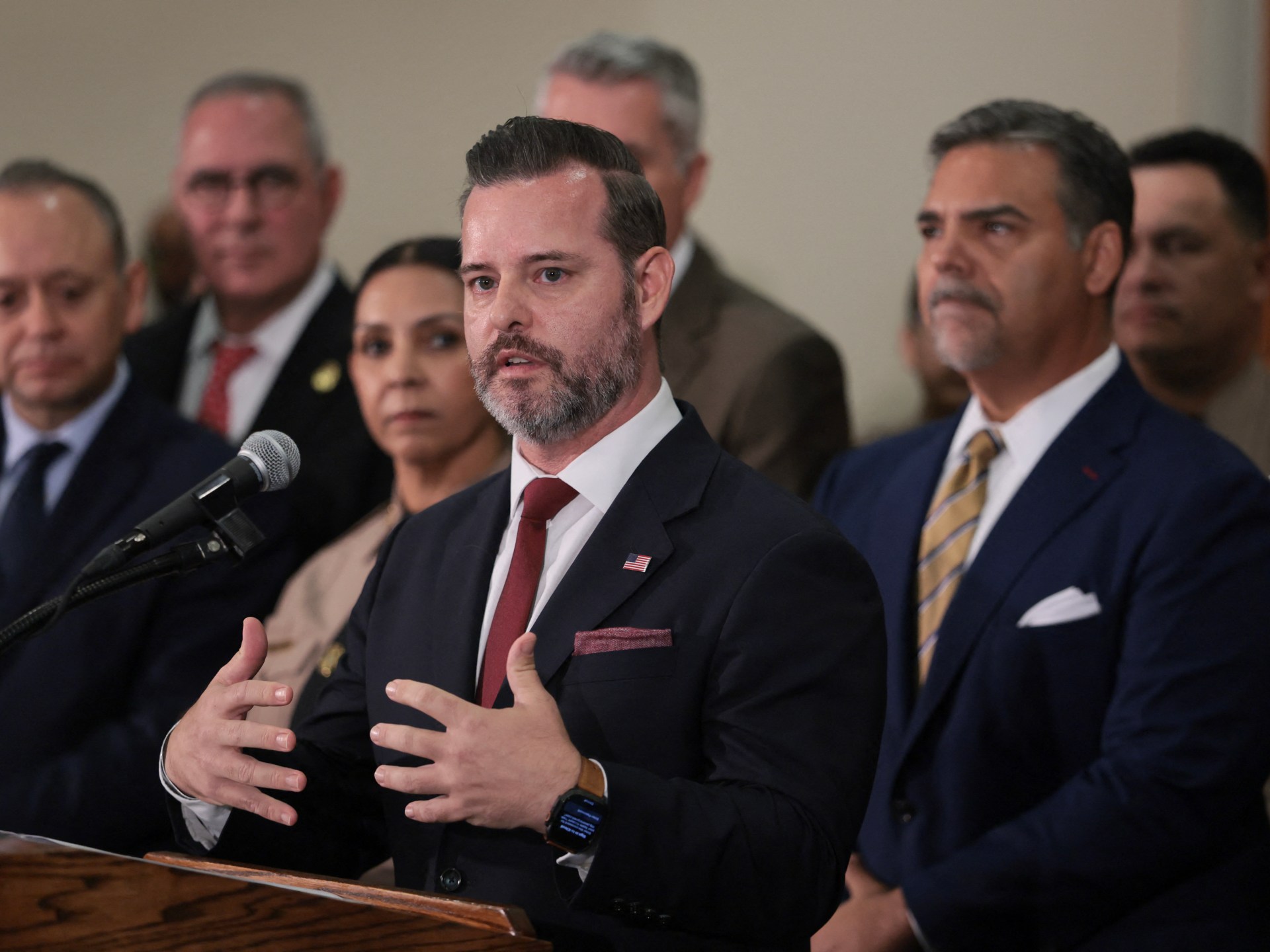
Geopolitical & Core Developments
In an unprecedented state-level legal escalation, authorities in Florida have issued a formal arrest warrant for Cuba's former president and revolutionary figure, Raul Castro. The action closely mirrors a federal indictment unveiled earlier this year, marking a sharp intensification of legal, economic, and diplomatic maneuvers aimed at the upper echelons of the Cuban government.
The warrant, rooted in long-standing allegations concerning extraterritorial operations, state-sponsored repression, and past shootdowns of civilian aircraft operated by Cuban-American groups, represents a significant hardening of policy postures within the United States. Although Raul Castro, 93, officially stepped down as first secretary of the Communist Party of Cuba in 2021, he retains substantial institutional authority and symbolic leadership over the Revolutionary Armed Forces and the state apparatus. By targeting Castro directly through state judicial mechanisms, American prosecutors and state officials seek to impose personal legal liability on Havana's core leadership, effectively preempting any near-term normalization of bilateral diplomatic ties.
Global Trade & Economic Ripples
The immediate commercial consequence of this legal escalation lies in the heightened regulatory and legal risks confronting international firms operating in the Caribbean. Cuba is currently grappling with its most severe economic contraction since the collapse of the Soviet Union, marked by widespread electrical grid failures, hyperinflation, and acute shortages of food, crude oil, and basic pharmaceuticals.
This legal development is anticipated to further chill foreign direct investment. Multilateral banks and global commodity traders already navigating the stringent US embargo framework will likely expand compliance derisking. Caribbean maritime routes, particularly those involving bulk agricultural shipments from Latin America and fuel cargoes transiting through Venezuelan and Mexican state channels, face intensified scrutiny under secondary sanctions mechanisms. Financial institutions facilitating non-dollar trade settlements with Havana may encounter increased audit pressures from US regulators, compounding foreign exchange liquidity constraints throughout the island nation.
Related Intelligence: Pakistan Suspends Iran Border Trade Amid Escalating Regional Security Threats
International Reactions & Diplomatic Stances
The announcement has triggered sharp condemnations from Havana, where the Cuban Ministry of Foreign Affairs characterized the warrant as a politically motivated provocation engineered by hardline domestic factions in the United States. Cuban officials asserted that the move violates sovereign immunity principles under customary international law and represents an extrajudicial attempt to undermine the sovereignty of a United Nations member state.
Conversely, legislative leaders and regional policymakers in Florida praised the warrant as a long-overdue measure of accountability for historical human rights abuses. On the international stage, regional allies including Venezuela, Nicaragua, and members of the ALBA bloc expressed solidarity with Havana, warning that the criminalization of foreign heads of state destabilizes Western Hemisphere diplomatic conventions. European Union representatives reiterated their commitment to engagement and investment protection via the Political Dialogue and Cooperation Agreement, while underscoring that unilateral legal measures complicate multilateral diplomatic pathways.
Strategic Outlook & Future Scenarios
In the coming months, the legal action is expected to accelerate polarization across regional diplomatic forums, including the Organization of American States and upcoming Latin American economic summits. Given that Raul Castro does not travel to jurisdictions subject to US extradition treaties, the warrant remains largely symbolic in terms of physical apprehension; however, its functional impact on foreign policy is profound.
The initiative forecloses realistic avenues for administrative dialogue between Washington and Havana in the near term, locking bilateral relations into a cycle of punitive enforcement and defensive retrenchment. Concurrently, Havana is likely to deepen its economic, technological, and security partnerships with external powers, notably the Russian Federation and China. As Cuba seeks alternative lines of credit, infrastructure investment, and discounted energy supplies, the Caribbean basin risks becoming an increasingly active theater for broader systemic competition, carrying tangible risks for regional maritime security and cross-border trade flows.
Join Our Official WhatsApp Channel
Receive live commodity alerts, policy changes, and commercial intelligence directly on WhatsApp.