
Flávio Bolsonaro's First-Round Victory Reshapes Brazilian Politics and South American Trade
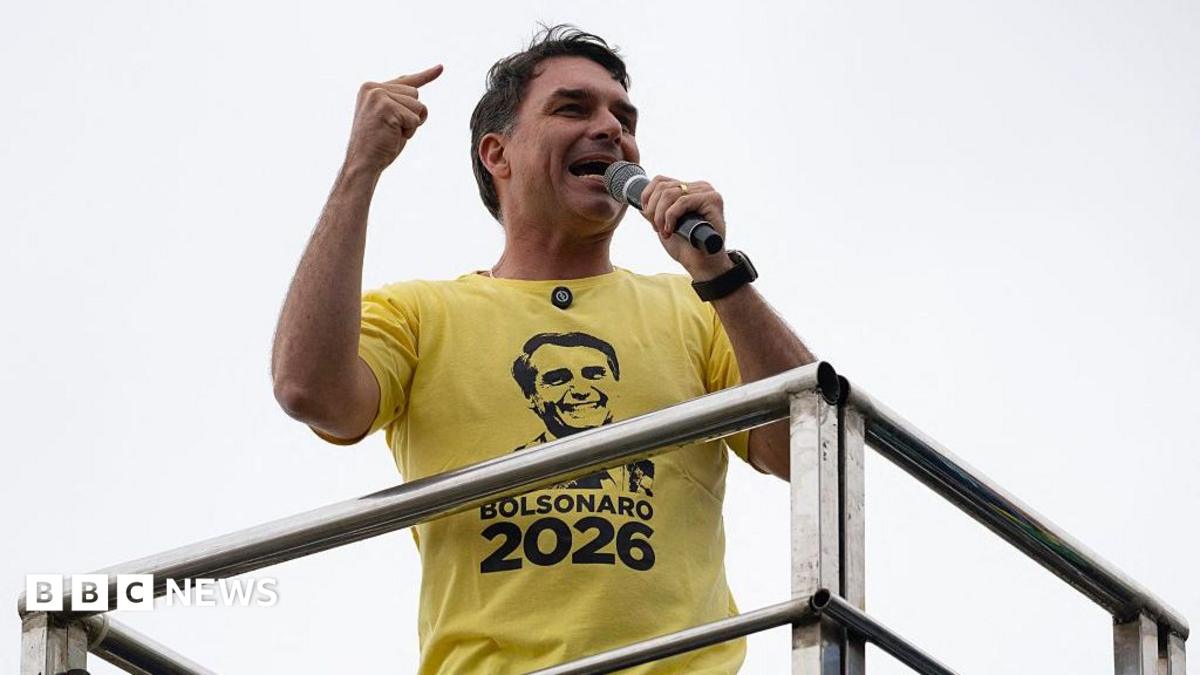
Flávio Bolsonaro's decisive first-round electoral victory marks a pivotal right-wing resurgence in Brazil, triggering profound implications for regional trade, commodity markets, and international diplomacy.
Geopolitical & Core Developments
In a development that has sent seismic shocks through South American politics, Flávio Bolsonaro has secured a commanding lead in the first round of Brazil's presidential election. This electoral breakthrough is not merely a domestic political realignment; it stands as the vanguard of a broader conservative wave surging across Latin America. Following similar right-wing political consolidations in neighboring nations, Brazil's pivot toward hardline conservatism promises to radically alter the nation's governance model. State actors across the hemisphere are closely monitoring the trajectory of the campaign, recognizing that a full Bolsonaro victory in the runoff will recalibrate diplomatic alliances, challenge existing regional multilateral bodies, and redefine Brasilia's role in global governance forums.
The strategic stakes are exceptionally high. For years, Brazil has navigated a delicate diplomatic balancing act between Western democracies and emerging multipolar blocs such as the BRICS coalition. The resurgence of the Bolsonaro political dynasty suggests a decisive alignment toward market-driven nationalism, heightened security measures, and a more confrontational stance against left-wing populist regimes in the region. Analysts are currently constructing comprehensive timelines of anticipated policy shifts, projecting that a new administration will move rapidly to dismantle current regulatory frameworks, roll back expansive state interventions, and reshape the domestic legislative agenda to favor conservative economic principles.
Global Trade & Economic Ripples
As Latin America's largest economic powerhouse, Brazil holds critical leverage over global commodity markets, agricultural supply chains, and green energy transitions. The primary election results have already triggered immediate volatility across international financial exchanges. Global energy markets, agricultural exporters, and mining conglomerates are recalibrating their risk assessments. Brazil remains a dominant global supplier of soybeans, iron ore, beef, and crucial biofuels, meaning any domestic structural shift carries direct consequences for international pricing benchmarks and maritime shipping lanes.
Furthermore, the prospect of a conservative administration has profound implications for currency values and foreign direct investment. International investors are weighing the promise of aggressive fiscal deregulation, privatization initiatives, and reduced bureaucratic hurdles against the potential for heightened social polarization and environmental friction. European trade partners, in particular, have expressed concern over how a nationalist government will approach multilateral trade pacts, particularly negotiations involving stringent environmental safeguards and deforestation controls that could act as non-tariff barriers to Brazilian agricultural exports.
International Reactions & Diplomatic Stances
The international community has responded to the election outcome with a mixture of cautious diplomacy and acute market watchfulness. Representatives from multilateral bodies, including the United Nations and the Organization of American States, have emphasized the importance of democratic resilience and institutional stability throughout the electoral process. Meanwhile, foreign ministries in Washington, Brussels, and Beijing are quietly updating their long-term diplomatic strategies to account for a potentially reconfigured Brazilian foreign policy.
Market analysts and credit rating agencies have adopted a pragmatic approach, noting that while the ideological shift introduces short-term volatility, it also opens avenues for aggressive market liberalization. International banking institutions have issued advisory notes highlighting that while trade flows in commodities are unlikely to experience immediate disruption, long-term capital expenditure projects will hinge heavily on the incoming administration's fiscal discipline, tax reform proposals, and management of the national debt.
Strategic Outlook & Future Scenarios
Looking ahead, the run-up to the decisive second round of voting will serve as a critical crucible for Brazilian democracy and international commerce. The trajectory of the campaign will likely be defined by intense ideological polarization, fierce debates over economic stewardship, and heightened scrutiny from international observers. Upcoming regional summits and global economic forums will provide the first formal platforms for foreign leaders to gauge the diplomatic temperament of the Bolsonaro campaign.
Beyond the immediate electoral horizon, geopolitical escalation points remain centered around environmental governance, Amazonian resource management, and regional trade integration. Whether the incoming administration chooses confrontation or pragmatism in its foreign relations will dictate not only Brazil's economic standing but also the broader geopolitical stability of the South American continent. Global markets must prepare for a prolonged period of strategic adjustment as Brazil redefines its geopolitical identity on the world stage.
Join Our Official WhatsApp Channel
Receive live commodity alerts, policy changes, and commercial intelligence directly on WhatsApp.