
FIFA President Gianni Infantino Proposes External Governance Review Amid Leadership Pressures
FIFA President Gianni Infantino has proposed an external review of world football administration, marking a strategic shift as international stakeholders evaluate the future of global sports governance.
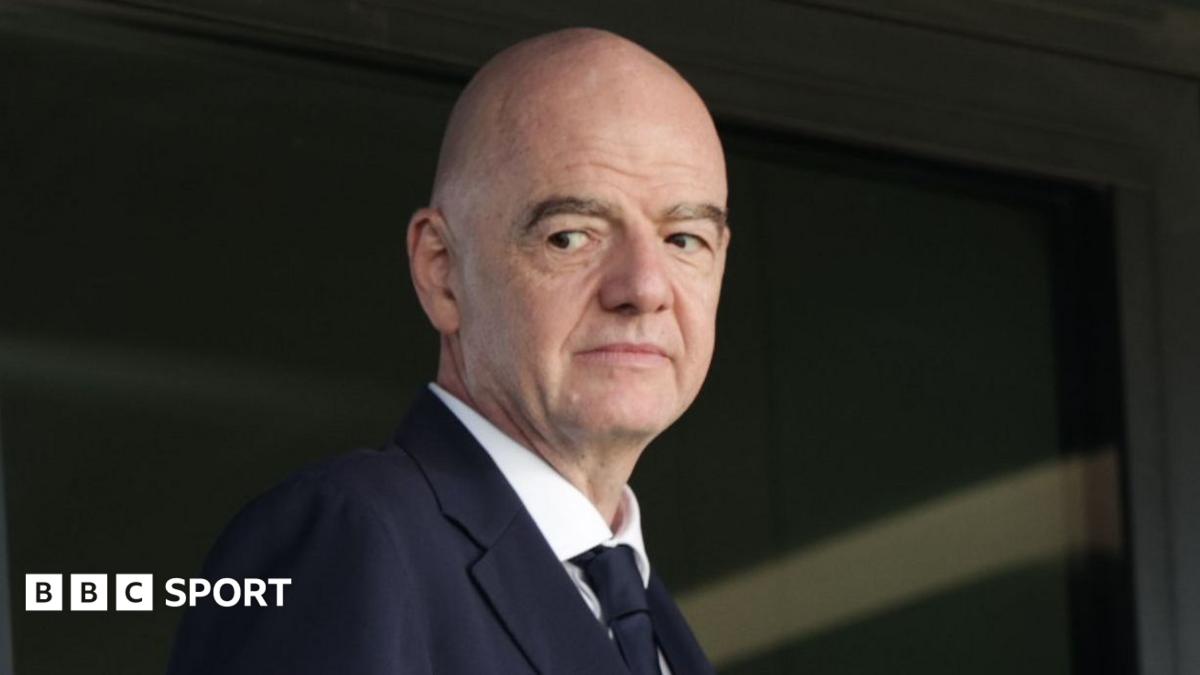
Geopolitical & Core Developments
In a notable strategic pivot, FIFA President Gianni Infantino has expressed formal openness to an independent external review examining the operational and governance structures of world football's governing body. The announcement comes at a critical juncture for international sports administration, where institutional transparency, voting protocols, and executive accountability have faced intense scrutiny from member federations, governmental bodies, and civil society organizations.
Historically, FIFA has navigated complex geopolitical landscapes, balancing the interests of over two hundred national member associations across diverse sovereign states. The proposal for an external audit reflects mounting pressure from key regional confederations seeking greater participation in decision-making processes. By signaling a willingness to subject internal mechanisms to outside evaluation, the leadership aims to shore up broad-based support amid ongoing debates regarding structural reform, calendar harmonization, and commercial distribution rights.
Global Trade & Economic Ripples
While operating primarily within the sports and entertainment domain, FIFA commands a massive global economic footprint that intersects directly with international trade, tourism, broadcasting rights, and corporate sponsorship portfolios valued in the tens of billions of dollars. Major multinational corporations, financial institutions, and hospitality conglomerates invest heavily in the quadrennial World Cup cycle and associated global tournaments.
Institutional stability within the governing body directly influences investor confidence and commercial risk assessments. Any structural overhaul or governance reform altering regulatory oversight can create cascading effects across broadcasting negotiations, merchandise supply chains, and infrastructure development financing in host nations. Global market analysts tracking sports economics emphasize that predictable leadership and transparent regulatory frameworks are vital for maintaining the uninterrupted flow of capital and sponsorship revenues across international borders.
Related Intelligence: G7 Demands Iran Halt Houthi Support Amid Energy Security Threats
International Reactions & Diplomatic Stances
Initial responses from national football associations, regional confederations, and international monitoring bodies have been mixed, reflecting the diverse political alignments within global sport. European federations, which traditionally wield substantial commercial and administrative influence, have consistently advocated for rigorous governance standards and enhanced financial transparency.
Conversely, delegations from emerging football markets across Africa, Asia, and the Americas are closely evaluating how proposed reforms might alter voting weights, development funding allocations, and tournament expansion plans. Multilateral organizations and governance watchdogs have underscored that any credible external review must possess genuine independence, unhindered access to institutional records, and a mandate to implement binding structural improvements.
Strategic Outlook & Future Scenarios
As preparations continue for upcoming international football summits and executive council meetings, the trajectory of FIFA's governance reform will depend heavily on consensus-building among key regional powerbrokers. If the proposed external review proceeds with robust institutional backing, it could establish a new benchmark for transparency across international non-governmental organizations and sports federations alike.
Failure to deliver meaningful administrative modernization, however, risks deepening internal divisions, potentially prompting legal challenges or alternative commercial alignments among dissatisfied member states. International trade specialists and sports diplomats will monitor upcoming congress votes and regulatory adjustments closely, recognizing that stability in global sports administration remains a bellwether for broader international cooperation.
Join Our Official WhatsApp Channel
Receive live commodity alerts, policy changes, and commercial intelligence directly on WhatsApp.