
FBR Personnel Killed in DI Khan Attack Shakes Tax Enforcement
The killing of four FBR personnel and a police officer in Dera Ismail Khan highlights severe security challenges facing federal tax enforcement and trade documentation drives in Pakistan's border regions.
The Core Development
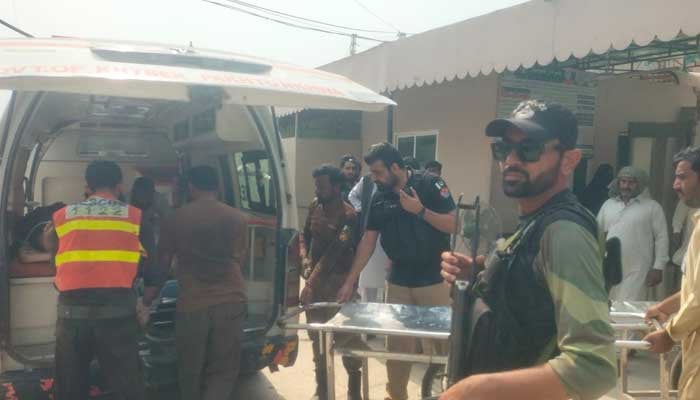
In a devastating blow to federal administrative operations, four personnel of the Federal Board of Revenue (FBR) alongside a police officer were martyred, and another law enforcement official sustained injuries, in separate targeted firing incidents across Dera Ismail Khan. The coordinated violence underscores the extreme operational hazards confronting state functionaries deployed in Pakistan's volatile northwestern corridors. According to local law enforcement reports, the initial assault targeted revenue officials engaged in routine field assessments, while the subsequent shooting caught supporting police details off guard. Security forces immediately cordoned off the area, launching comprehensive search operations to track down the perpetrators. Intelligence agencies are examining potential links between organized smuggling networks and militant factions operating within the region, given that intensified FBR documentation drives have severely disrupted illicit trade routes that historically fund regional instability.
Commercial & Economic Implications
This security tragedy carries profound implications for Pakistan's broader commercial landscape, particularly concerning wholesale distribution networks, retail trade compliance, and national fiscal consolidation efforts. Dera Ismail Khan serves as a vital logistical nexus connecting Khyber Pakhtunkhwa with Punjab and Balochistan, making it a critical choke point for both legitimate commerce and illicit transit. The targeting of tax officials directly threatens the state's capacity to enforce documentation, curb smuggling, and widen the narrow tax base. Disruptions to FBR field operations in these corridors risk creating safe havens for untaxed goods, undercutting compliant domestic manufacturers and formal retail traders who face intense margin pressures from cheap, smuggled alternatives. Furthermore, heightened security risks could inflate operational costs for transport and logistics companies, ultimately feeding inflationary pressures through higher consumer prices across regional markets.
Related Intelligence: Punjab Extends Section 144 Ban Amid Heightened Security Threats
Stakeholder Perspectives & Market Reactions
Business councils, trade bodies, and apex chambers have expressed profound shock and solidarity with the families of the fallen personnel, while concurrently voicing deep anxiety over the safety of civil servants operating in high-risk zones. Representatives from major commercial associations noted that effective tax administration requires robust state protection; without guaranteed security, field enforcement becomes nearly untenable. Legal and economic analysts point out that the incident exposes the perilous intersection of national security and economic reform. While the International Monetary Fund and domestic policymakers continue to press for aggressive documentation and tax-to-GDP expansion, events in Dera Ismail Khan starkly demonstrate the heavy human cost borne by front-line state agents attempting to dismantle entrenched underground economies.
Forward Outlook & Key Watchpoints
In the wake of this tragedy, federal authorities face critical strategic decisions regarding the restructuring of tax enforcement protocols in high-threat districts. Key watchpoints include whether the FBR will scale back field operations or pivot toward intelligence-led, heavily militarized tax audits. Additionally, markets will closely monitor the government's response regarding enhanced security protocols for civil servants, compensation packages for affected families, and the long-term viability of anti-smuggling operations along the western border. The incident serves as a grim reminder that fiscal stabilization in Pakistan cannot succeed without addressing foundational security imperatives.
Join Our Official WhatsApp Channel
Receive live commodity alerts, policy changes, and commercial intelligence directly on WhatsApp.