
FBI Arrests Alleged Chinese Agent Targeting Taiwanese President's Family
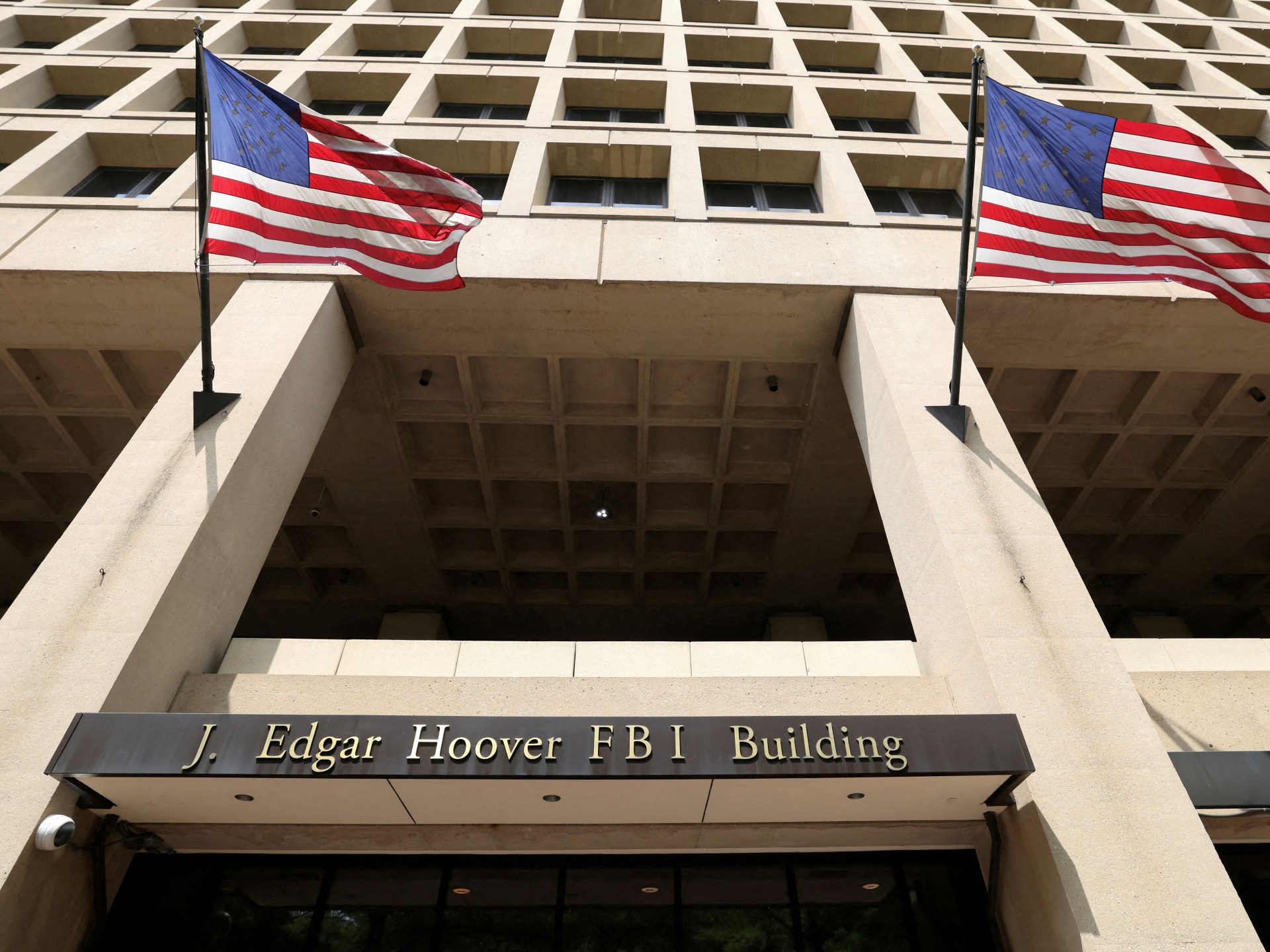
FBI agents in California have arrested a woman accused of operating as an unregistered Chinese foreign agent after she allegedly surveilled the son of Taiwan's president.
Geopolitical & Core Developments
The Federal Bureau of Investigation has arrested a California resident on charges of acting as an unregistered foreign agent for the People's Republic of China, marking a significant escalation in counterintelligence investigations within the United States. According to federal prosecutors, the suspect systematically tracked, photographed, and recorded video footage of the son of Taiwan's President Lai Ching-te during his private international travels, transmitting the intelligence directly to handlers linked to the Chinese government.
This high-profile arrest underscores the pervasive nature of Beijing's intelligence apparatus and its persistent focus on isolating and intimidating Taiwan's top leadership. President Lai Ching-te, long vilified by Beijing as a resolute defender of Taiwanese sovereignty, has faced intense diplomatic, military, and covert pressure since assuming office. The targeting of immediate family members outside of Taiwan demonstrates a calculated strategy by state actors to project influence beyond national borders, utilizing domestic proxies in Western democracies to conduct surveillance operations against high-value political targets.
Global Trade & Economic Ripples
While direct military confrontations across the Taiwan Strait remain the primary risk factor for international markets, covert intelligence operations and transnational repression generate significant secondary economic anxiety. Global commodity markets, particularly those dependent on semiconductor fabrication, shipping lanes in the South China Sea, and high-tech supply chains, remain highly sensitive to geopolitical friction between Washington and Beijing.
Heightened tensions over espionage activities invariably lead to increased regulatory scrutiny on cross-border investments, technology transfers, and Chinese-owned enterprises operating in Western jurisdictions. For international traders and institutional investors, the normalization of state-backed espionage and subsequent diplomatic retaliations introduce operational uncertainty. Multinational corporations with dual-exposure to both the United States and Greater China are increasingly forced to re-evaluate their risk management frameworks, compliance protocols, and personnel security measures, ultimately driving up operational costs and threatening to fragment global technological ecosystems.
Related Intelligence: Middle East Escalation Threatens Global Supply Chains and Energy Markets
International Reactions & Diplomatic Stances
Official responses from Western capitals have underscored mounting intolerance for foreign interference on domestic soil. The Department of Justice emphasized that foreign intelligence services operating covert networks within the United States violate national sovereignty and threaten the safety of political dissidents and foreign nationals residing abroad. The government in Taipei has expressed deep concern over the incident, thanking international partners for their vigilance while condemning Beijing's persistent use of grey-zone tactics and transnational harassment.
Conversely, official channels in Beijing have routinely dismissed such allegations as politically motivated smears designed to manufacture friction and bolster anti-China sentiment in Western political circles. Multilateral bodies and geopolitical analysts note that incidents of this nature severely undermine diplomatic trust, entrenching adversarial postures and complicating efforts to stabilize bilateral communication channels between the world's two largest economies.
Strategic Outlook & Future Scenarios
As Western law enforcement agencies step up counterintelligence enforcement against illicit foreign influence operations, further indictments and disruptions of clandestine networks are anticipated. The trial of the accused agent is expected to shed additional light on the methodology employed by foreign handlers within American jurisdictions, potentially prompting legislative updates regarding foreign agent registration laws.
For global markets and diplomatic strategists, this case serves as a stark reminder that geopolitical competition extends far beyond traditional battlefields into the realms of digital surveillance, cyber operations, and covert intelligence gathering. Upcoming bilateral summits and multilateral trade forums will likely be overshadowed by these security concerns, hardening Western resolve to decouple critical infrastructure and sensitive data streams from potential foreign vulnerabilities.
Join Our Official WhatsApp Channel
Receive live commodity alerts, policy changes, and commercial intelligence directly on WhatsApp.