
European Leagues Force FIFA Showdown Over Calendar Reform
Europe's premier football leagues escalate pressure on FIFA president Gianni Infantino, demanding a structural overhaul of the international match calendar to protect commercial stability and player health.
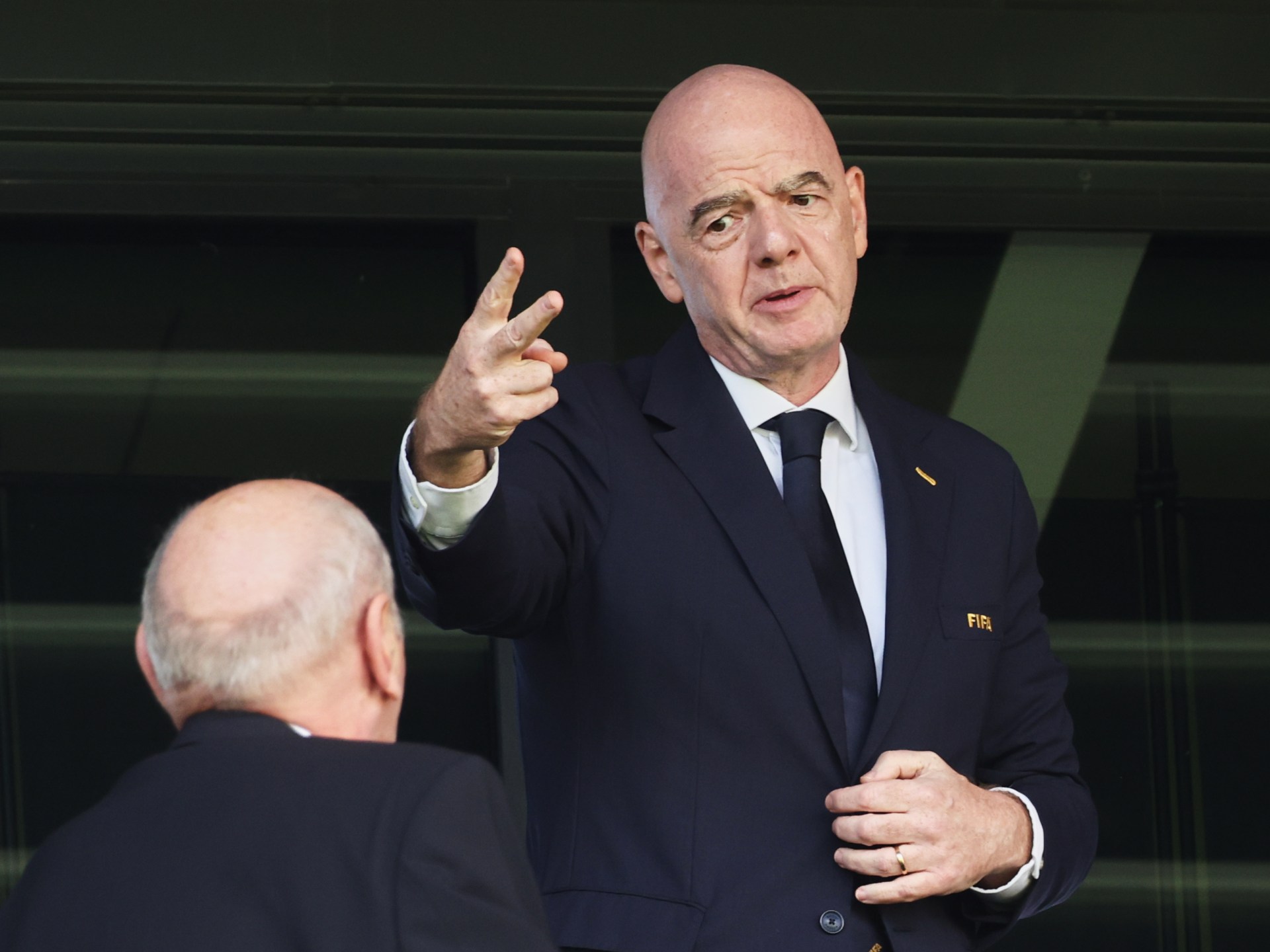
Geopolitical & Core Developments
The governance of global sport has entered a period of profound institutional friction as Europe's premier football leagues—spearheaded by England's Premier League, Spain's La Liga, Italy's Serie A, and Germany's Bundesliga—intensify their confrontation with FIFA President Gianni Infantino. At the heart of the dispute is FIFA's aggressive expansion of international tournaments, most notably the newly formatted Club World Cup and an enlarged World Cup schedule. European administrators argue that these unilateral decisions ride roughshod over established domestic calendars, central authorities, and long-standing labor agreements between clubs and players. The timeline of confrontation has accelerated rapidly, moving from behind-the-scenes lobbying to open institutional warfare, with national leagues and player unions coordinating legal and political strategies to force FIFA back to the negotiating table.
Global Trade & Economic Ripples
Beyond the athletic domain, the clash carries substantial economic and commercial implications for the multi-billion-dollar global sports entertainment industry. The proliferation of high-stakes international fixtures threatens to saturate broadcast markets, potentially devaluing domestic league media rights that form the financial bedrock of European clubs. Global commercial partners, corporate sponsors, and broadcasting conglomerates face mounting uncertainty regarding player availability and match quality as fixture congestion reaches unprecedented levels. Furthermore, the commercial imbalance threatens to widen the economic chasm between elite global franchises and domestic-tier clubs, disrupting supply chains of talent development, transfer markets, and regional tourism revenue associated with major sporting events.
Related Intelligence: Lahore High Court Demands Report on Aleema Khan Detention Under 3-MPO
International Reactions & Diplomatic Stances
International labor organizations, player unions including FIFPRO, and regional governing bodies have rallied behind the European leagues, characterizing FIFA's calendar expansion as an exploitative measure that prioritizes short-term revenue extraction over human capital sustainability. While FIFA leadership defends its expansionist strategy as democratization of the global game that unlocks new commercial frontiers in emerging markets, critics counter that the governance model lacks transparency and meaningful consultation. Financial analysts and sports economists note that the escalating rhetoric reflects a deeper structural crisis in international sports diplomacy, where traditional governing bodies and commercial club stakeholders are locked in a zero-sum struggle for financial and regulatory control.
Strategic Outlook & Future Scenarios
As the standoff deepens, the trajectory of international football governance points toward potential legal battles in European courts over competition law and labor rights. Upcoming extraordinary congresses and executive committee summits will serve as critical flashpoints where either a compromise on calendar harmonization is reached, or a permanent structural schism occurs. Should FIFA proceed without accommodating domestic league concerns, industry experts warn of retaliatory measures, including localized fixture boycotts and restructured broadcast agreements, which could permanently alter the global architecture of professional sports and international commercial partnerships.
Join Our Official WhatsApp Channel
Receive live commodity alerts, policy changes, and commercial intelligence directly on WhatsApp.