
European Football Leaders Convene in Berlin to Challenge FIFA Leadership
European football leaders have gathered in Berlin to strategize a challenge against FIFA President Gianni Infantino, sparking high-stakes political maneuvers across international sports governance.
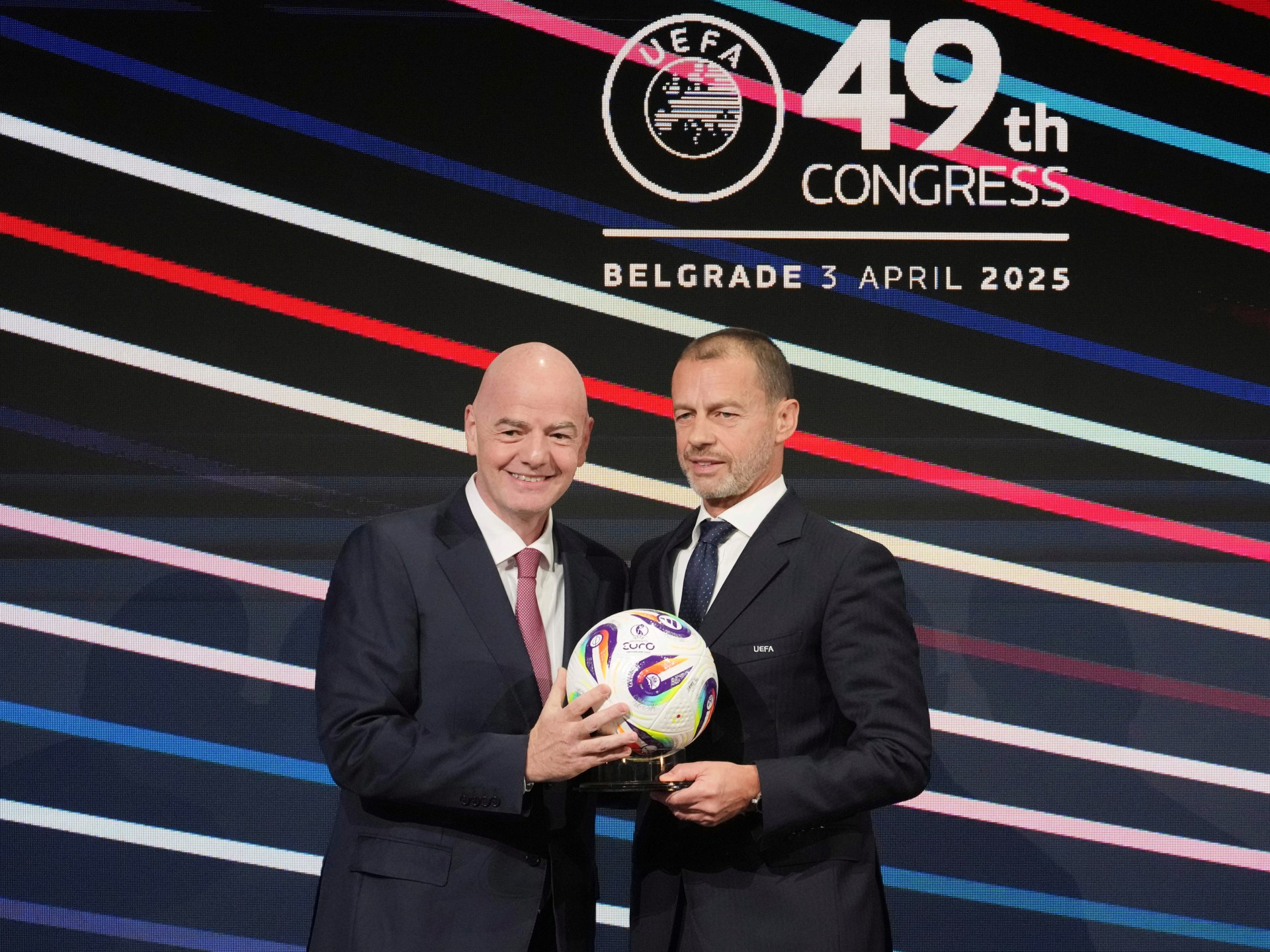
Geopolitical & Core Developments
In a high-stakes gathering in the German capital, senior European football administrators have convened behind closed doors to orchestrate a systematic pushback against FIFA President Gianni Infantino. The meeting, attended by prominent delegates from several of UEFA's most influential member associations, marks a critical escalation in the ongoing institutional feud between European football's governing body and Zurich headquarters. At the heart of the friction are deep-seated disagreements regarding tournament expansion schedules, the restructuring of the international match calendar, and the centralization of commercial rights.
For months, tensions have simmered over Infantino's centralized governance model, which critics argue marginalizes traditional power bases in Europe while consolidating unilateral executive authority within the FIFA presidency. The Berlin summit represents a concerted effort to align diplomatic opposition ahead of upcoming congresses, transforming scattered grievances into a cohesive political strategy. State actors and sports ministries across the continent are quietly monitoring the power struggle, recognizing that the stability of international sports administration carries significant diplomatic weight and soft-power implications.
[Global Trade](/news/gaza-three-years-destruction-economic-impact-kalyar-traders) & Economic Ripples
While ostensibly a governance dispute within athletic administration, the friction between UEFA and FIFA directly impacts the multi-billion-dollar global sports economy. Major commercial partners, broadcast networks, and multinational sponsors are growing increasingly wary of the administrative instability. The proposed expansion of global tournaments—including the revamped Club World Cup and altered World Cup qualification formats—introduces severe scheduling congestion, which market analysts warn could strain player welfare, inflate insurance liabilities, and disrupt broadcast revenue models.
Furthermore, global commodity markets tied to major sporting events—such as hospitality, international aviation, stadium construction materials, and tourism infrastructure—face heightened volatility. Corporate sponsors and institutional investors demand predictability; prolonged institutional warfare at the apex of global football introduces regulatory uncertainty that can depress sponsorship valuations and complicate long-term capital deployment across emerging host nations.
Related Intelligence: Lionel Messi Farewell Reshapes Global Sports Economy and Cultural Diplomacy
International Reactions & Diplomatic Stances
Reactions to the Berlin summit have reverberated across international institutional circles. While sports ministries have largely maintained a diplomatic silence, trade unions representing professional athletes have voiced cautious support for greater stakeholder consultation, criticizing the unilateral imposition of expanded competition calendars. Financial analysts specializing in the sports entertainment sector note that institutional fragmentation could force corporate stakeholders to hedge their bets, demanding tighter governance covenants in future broadcasting and sponsorship contracts.
Multilateral bodies monitoring corporate governance and transparency have also begun scrutinizing the financial flows and voting blocs within international sports federations. The push to oust Infantino is increasingly viewed through the lens of modern corporate governance reform, where institutional investors and regional subsidiaries demand decentralization and rigorous accountability from executive leadership.
Strategic Outlook & Future Scenarios
As the strategic alignment solidifies in Berlin, the coming months will witness intense diplomatic maneuvering leading up to the next global football congresses. Several scenarios now dominate expert projections. A successful coalition-building effort by European leaders could force structural amendments to FIFA statutes, curtailing presidential powers and redistributing commercial revenue oversight.
Conversely, a failure to unseat or constrain Infantino risks permanent polarization between European associations and the broader global electorate, potentially precipitating a splintering of international competition circuits. Either trajectory will fundamentally redefine the political economy of global sport, altering trade relations, media rights valuations, and transnational diplomatic alliances for the next decade.
Join Our Official WhatsApp Channel
Receive live commodity alerts, policy changes, and commercial intelligence directly on WhatsApp.