
Europe and Ukraine Face Pragmatic Realities Under Shifting US Leadership
European and Ukrainian policymakers face structural dependencies on Washington, necessitating pragmatic engagement with Donald Trump despite escalating strategic divergences over Russia policy.
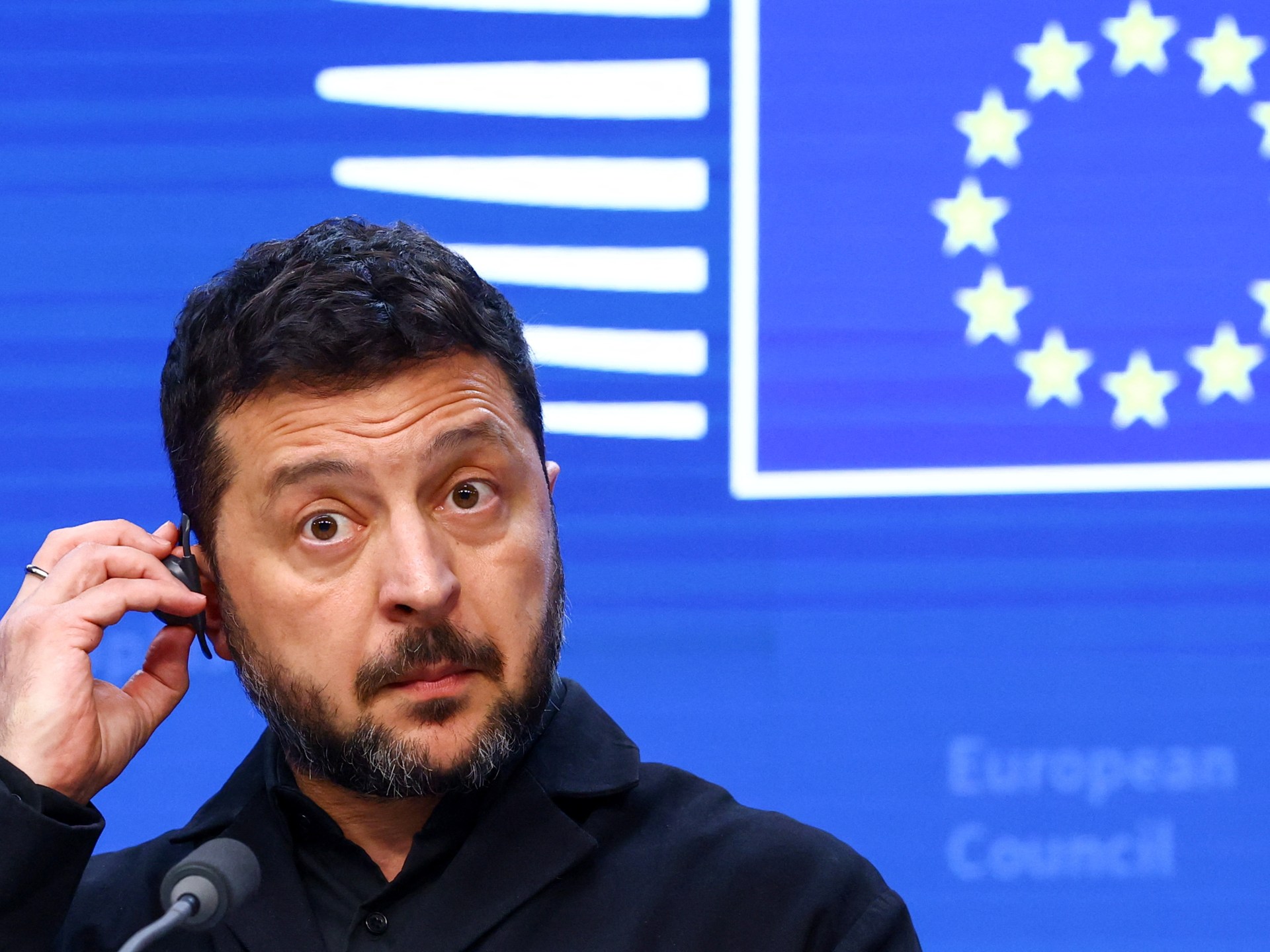
Geopolitical & Core Developments
The geopolitical architecture underpinning Eastern Europe faces a profound inflection point as European policymakers and the administration in Kyiv confront the likelihood of recalibrated United States foreign policy under Donald Trump. Over the past three years, the transatlantic alliance has operated on coordinated financial disbursements, intelligence sharing, and heavy military transfers to counter Russian military operations in Ukraine. However, growing rhetoric from Washington emphasizing rapid conflict resolution, burden-sharing conditionalities, and bilateral negotiation over multilateral guarantees has altered strategic calculations across European capitals.
Despite institutional discomfort in Brussels, London, and Warsaw regarding unilateral diplomatic overtures to Moscow, strategic realities afford European leadership narrow maneuvering room. The United States continues to account for the primary share of deep-strike munitions, air defense architectures, and global intelligence collection essential to Ukrainian frontline sustainability. While European members of NATO have progressively elevated defense budgets—with several Eastern European states exceeding three percent of gross domestic product—the European defense industrial base remains fundamentally incapable of replacing American military volume in the immediate term. Consequently, President Volodymyr Zelenskyy and key European heads of state are proactively establishing direct diplomatic channels to preserve core bilateral alignments rather than risking complete strategic estrangement.
Global Trade & Economic Ripples
The prospect of forced negotiations or altered enforcement of sanctions regimes presents tangible ripple effects across international commercial corridors. Global energy markets remain acutely sensitive to any potential diplomatic settlement that alters the trajectory of Russian fossil fuel restrictions. A negotiated de-escalation could theoretically ease enforcement around the G7 crude oil price cap, influencing supply fundamentals and global benchmark Brent pricing. Conversely, persistent instability or fractured Western enforcement threatens European natural gas stability as the continent concludes its winter drawdowns.
Agricultural commodity markets are equally tied to diplomatic trajectories. The Black Sea grain maritime corridor, crucial for global wheat and fertilizer distribution to North Africa and the Middle East, requires consistent diplomatic backing and maritime risk mitigation. Any diplomatic friction that disrupts commercial shipping insurance or export infrastructure directly destabilizes global food pricing indices. Furthermore, European fiscal policy faces acute strain; sovereign bond markets are already pricing in expanded sovereign borrowing programs across EU members to underwrite domestic defense expenditures and offset potential shortfalls in American macroeconomic aid to Ukraine.
Related Intelligence: Middle East Energy Crisis Tests Pakistan Economic Resilience Amid Winter Concerns
International Reactions & Diplomatic Stances
Official discourse across international institutions reflects measured adaptation rather than open confrontation. European Commission officials have stressed the imperative of a sovereign, prosperous European defense pillar, framing industrial self-reliance as complementary to, rather than divergent from, NATO obligations. Diplomats from Baltic and Nordic nations have reiterated that any settlement negotiated without Ukrainian concurrence threatens the territorial integrity conventions established under international law.
Within multilateral forums, including the United Nations and the Group of Seven, Western diplomats are quietly working to institutionalize long-term financial mechanisms, such as the deployment of immobilized Russian sovereign asset yields, to insulate Kyiv from abrupt shifts in direct US legislative appropriations. Ukrainian officials have maintained a pragmatic posture, emphasizing reciprocal economic partnerships and critical mineral extraction concessions that could align with Washington's transactional foreign policy framework.
Strategic Outlook & Future Scenarios
The strategic horizon hinges on whether European capitals can rapidly convert structural commitments into operational deterrence before major policy pivots occur in Washington. Upcoming summits of the European Political Community and NATO will focus on accelerating joint defense procurement programs and solidifying bilateral security treaties. A critical pressure point will emerge around proposed territorial concessions or demilitarized zones, both of which carry legal, commercial, and political risks for European cohesion.
Should US legislative branches slow supplementary appropriations, the European Union will be compelled to activate emergency joint-debt instruments to maintain Ukrainian liquidity. Failure to do so would risk severe macroeconomic deterioration in Ukraine, triggering secondary migration movements into Central Europe and heightened sovereign risk premiums across the broader continent. The coming quarters will consequently test whether Europe can transform theoretical strategic autonomy into operational reality while managing an increasingly demanding alliance with Washington.
Join Our Official WhatsApp Channel
Receive live commodity alerts, policy changes, and commercial intelligence directly on WhatsApp.