
Ethiopian Pro-Government Forces Secure Mekelle Amid Tigray Withdrawal
Pro-government forces have taken control of Mekelle after rebel withdrawals, marking a critical juncture in the Horn of Africa's geopolitical landscape.
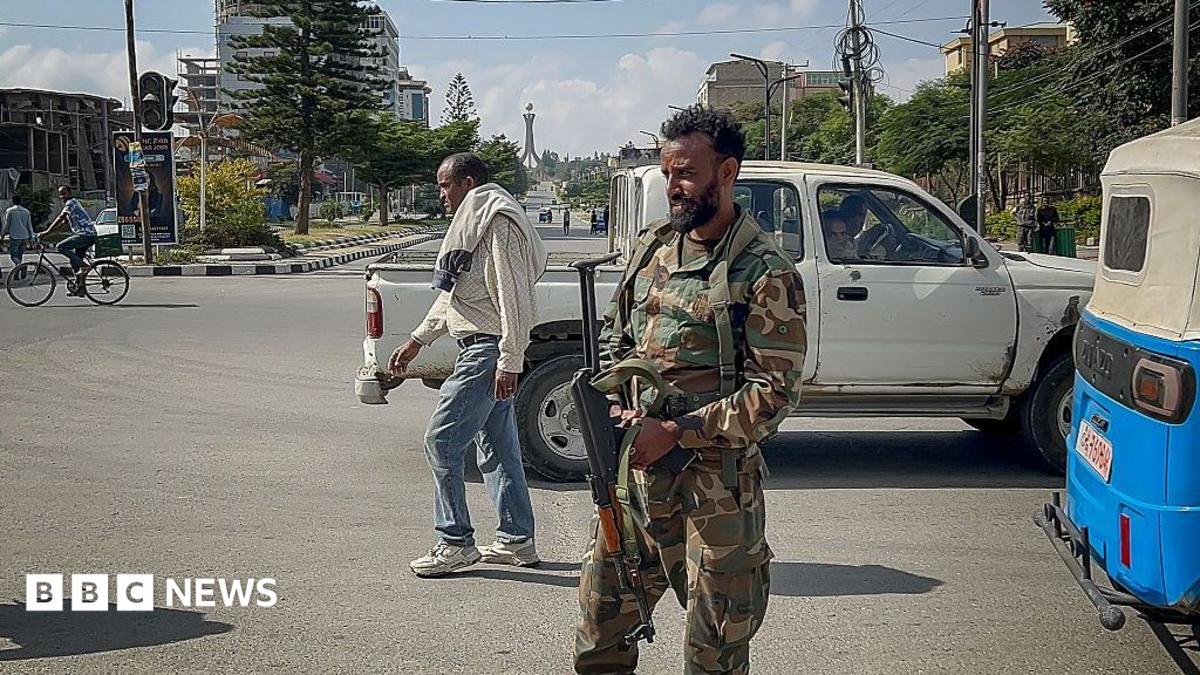
Geopolitical & Core Developments
The strategic landscape of the Horn of Africa has shifted dramatically following confirmation from local residents in Mekelle that pro-government forces have taken control of the Tigray regional capital. This development follows the sudden withdrawal of rebel forces from the urban center, a move that upends months of entrenched conflict and stalemate. The tactical shift alters the immediate security calculus for the Ethiopian federal government, which has sought to reassert sovereign administration across the northern territory. For months, the humanitarian toll and infrastructure breakdown in Tigray have remained central concerns for regional observers, and the transition of control in Mekelle represents a pivotal turning point in a civil conflict that has severely tested the structural integrity of the Ethiopian state.
State actors and regional commands are now moving quickly to establish administrative control and secure vital logistical nodes within the city. The retreat of rebel elements suggests a significant recalibration of insurgent strategy, moving away from conventional urban holding actions toward decentralized or asymmetric postures. Federal authorities face the immediate challenge of restoring civil administration, public utilities, and law enforcement in a metropolis that has endured prolonged isolation and severe economic disruption. The broader implications for regional security architecture remain profound, as neighboring states and multilateral institutions evaluate the durability of any emerging security arrangement.
Global Trade & Economic Ripples
While the conflict in Tigray has largely manifested as an internal humanitarian and geopolitical crisis, its resolution holds direct consequences for broader trade corridors and commercial stability in East Africa. The Horn of Africa commands vital maritime approaches to the Red Sea and the Bab el-Mandeb strait, a crucial global shipping artery linking Asian manufacturing hubs to European consumer markets via the Suez Canal. Prolonged domestic instability in Ethiopia—Africa's second-most populous nation and a key anchor economy in the region—threatens regional supply chains, investor confidence, and agricultural export channels, particularly coffee and oilseeds.
Commodity markets and international logistics firms monitor these developments closely to assess risks to overland transport routes connecting landlocked Ethiopia to major Red Sea ports in neighboring Djibouti. Any sustained stabilization of the northern corridor could reduce insurance premiums and freight uncertainties that have historically weighed on regional trade. Conversely, a failure to secure lasting peace risks reigniting supply chain bottlenecks, driving up regional risk premiums, and impacting foreign direct investment across the broader East African common market.
Related Intelligence: US Marine Arrested in Japan Sparking Diplomatic and Security Tensions
International Reactions & Diplomatic Stances
Global diplomatic missions, the United Nations, and multilateral bodies have responded to the shifting dynamics in Mekelle with cautious vigilance. International partners have consistently emphasized the imperative of unhindered humanitarian access, the protection of civilians, and the resumption of essential services across the Tigray region. Western governments and African Union mediators are pressing all parties to translate military shifts into durable political dialogues, emphasizing that lasting peace is the only viable foundation for economic reconstruction and regional integration.
Market analysts and geopolitical risk consultancies note that international financial institutions, including the International Monetary Fund and the World Bank, are closely evaluating Ethiopia's macroeconomic stabilization path. Progress on the political and security fronts is viewed as a prerequisite for unlocking stalled structural reforms, debt restructuring negotiations, and multilateral development financing. Consequently, foreign ministries in Washington, Brussels, and regional capitals are recalibrating their diplomatic engagements to support stabilization while insisting on accountability and human rights compliance.
Strategic Outlook & Future Scenarios
Looking ahead, the trajectory of the Ethiopian state will depend heavily on whether the withdrawal of rebel forces from Mekelle leads to a comprehensive cessation of hostilities or merely heralds a new phase of asymmetric conflict. Upcoming diplomatic summits convened by the African Union will likely focus on formalizing ceasefire mechanisms, demobilization protocols, and frameworks for transitional justice. The economic outlook hinges on the swift restoration of banking, telecommunications, and transport links to integrate Tigray back into the national economy.
Investors and international trade partners must maintain a balanced perspective on regional risk, factoring in both the potential for renewed stability and the latent hazards of protracted insurgency. If federal authorities successfully consolidate control and foster inclusive political reconciliation, Ethiopia could re-emerge as a stabilizing economic powerhouse in East Africa. However, any miscalculation in post-conflict governance or the distribution of humanitarian aid could quickly revive geopolitical escalation points, reinforcing the volatile risk profile of the broader Horn of Africa.
Join Our Official WhatsApp Channel
Receive live commodity alerts, policy changes, and commercial intelligence directly on WhatsApp.