
Ethiopian Federal Forces Seize Mekelle as Tigray Conflict Enters Critical Phase
Ethiopian government forces have captured Mekelle following the withdrawal of TPLF fighters, escalating geopolitical tensions and raising concerns for regional trade in the Horn of Africa.
Geopolitical & Core Developments
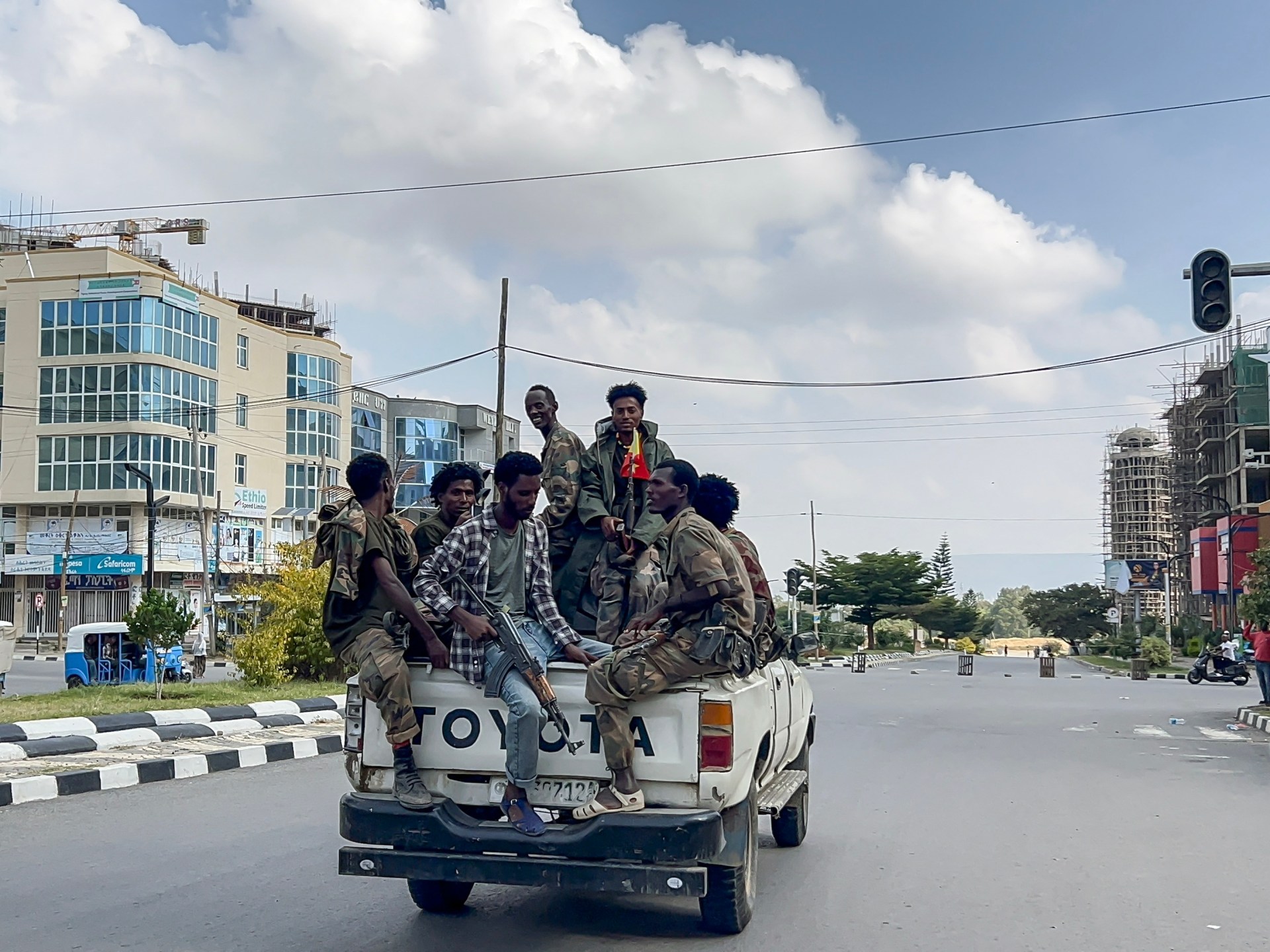
The conflict in Ethiopia's northern Tigray region reached a critical juncture as federal government forces and allied militias secured control of the regional capital, Mekelle. The breakthrough occurred following days of heavy artillery exchanges and the strategic capture of the city's primary international airport by federal troops. The Tigray People's Liberation Front (TPLF), which governed the region before hostilities erupted, announced a tactical withdrawal from urban centers to preserve civilian lives and regroup in rural territories.
This military escalation marks a profound chapter in a protracted civil conflict that has strained the federal structure of Africa's second most populous nation. Prime Minister Abiy Ahmed's administration has maintained that the military campaign is a necessary measure to restore constitutional order and disarm a faction that challenged federal authority. However, the shifting control of major urban nodes underscores the persistence of asymmetric warfare, suggesting that the formal capture of Mekelle may not signal a definitive end to hostilities, but rather a transition into a protracted insurgency.
Global Trade & Economic Ripples
While the conflict is primarily internal, its economic fallout extends across the Horn of Africa, creating significant friction for regional commerce and international supply chains. Ethiopia serves as a vital anchor economy in East Africa, and ongoing instability threatens vital trade corridors linking landlocked markets to international maritime lanes via Djibouti. Logistics firms operating in the region have reported disruptions in overland freight, increasing transport costs and delaying the delivery of critical agricultural and industrial inputs.
Furthermore, global commodity markets have monitored the situation closely due to its potential impact on regional agricultural production and food security. Ethiopia is a notable exporter of coffee and sesame seeds, and prolonged conflict in key agrarian zones risks suppressing crop yields. International commodity traders have begun pricing in elevated risk premiums for East African assets, while foreign investors evaluate the broader macroeconomic stability of a nation grappling with high inflation, foreign exchange shortages, and mounting sovereign debt.
Related Intelligence: US Arrests Spotlight Global Herbal Supplement Supply Chains and Regulatory Loopholes
International Reactions & Diplomatic Stances
The international community has responded to the fall of Mekelle with a blend of diplomatic alarm and urgent humanitarian appeals. The United Nations Security Council, alongside key multilateral partners including the African Union and the European Union, has called for an immediate cessation of hostilities and unhindered access for humanitarian aid agencies. Relief organizations have warned of an escalating humanitarian catastrophe, citing severe shortages of food, medical supplies, and fuel across the conflict-affected zones.
Western governments have expressed deep concern over reports of civilian casualties and infrastructure destruction, urging all belligerents to respect international humanitarian law. Diplomatic pressure continues to mount on Addis Ababa to facilitate political dialogue rather than rely exclusively on military solutions. However, the Ethiopian government has fiercely defended its sovereignty, rejecting what it perceives as external interference in its domestic security affairs and complicating multilateral mediation efforts.
Strategic Outlook & Future Scenarios
Looking ahead, the trajectory of the Ethiopian conflict remains highly volatile, with several potential escalation points dictating the geopolitical outlook for the Horn of Africa. While federal forces have secured major urban centers, the TPLF's retreat into rural terrain implies a high risk of sustained guerrilla warfare, which could drain national treasury resources and divert government spending away from developmental infrastructure.
Regional diplomacy will likely pivot toward emergency summits hosted by the Intergovernmental Authority on Development (IGAD) to prevent spillover effects into neighboring states such as Eritrea, Somalia, and Sudan. Financial markets and multilateral lenders will closely observe whether Addis Ababa can stabilize the security environment sufficiently to resume economic reforms and secure vital balance-of-payments support, or if ongoing geopolitical friction will deter foreign direct investment for the foreseeable future.
Join Our Official WhatsApp Channel
Receive live commodity alerts, policy changes, and commercial intelligence directly on WhatsApp.