
Ethiopia and Eritrea Sever Ties Amid Escalating Northern Conflict
Ethiopia and Eritrea have severed diplomatic ties as fierce fighting intensifies in northern Ethiopia, raising alarm across global commodity markets and threatening Horn of Africa stability.
Geopolitical & Core Developments
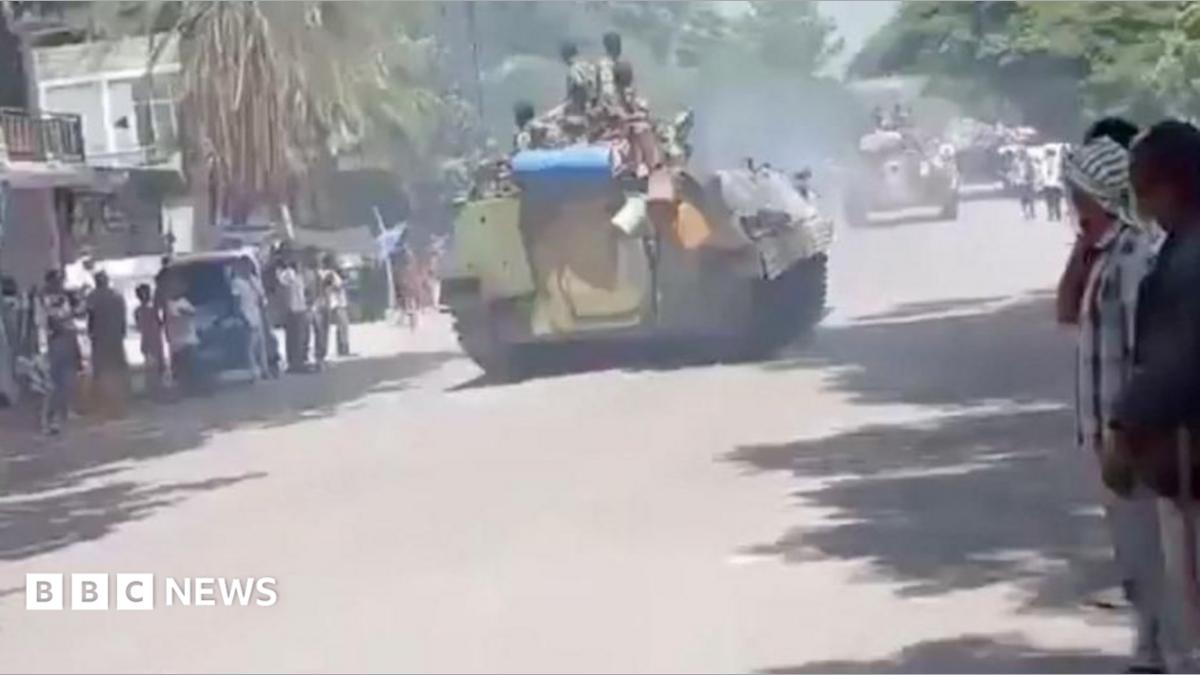
Diplomatic relations between Ethiopia and Eritrea have officially collapsed following a rapid escalation of armed conflict in northern Ethiopia. State-aligned forces and regional rebel factions have renewed intense hostilities, shattering a fragile peace agreement that was brokered just years ago. The breakdown in diplomacy marks a dangerous reversal for the Horn of Africa, where both nations had previously signaled a pragmatic rapprochement. As federal troops engage insurgent groups across rugged terrain, military logistics and command structures are being severely tested. The resurgence of warfare underscores deep-seated ethnic and political grievances that have long plagued the region, drawing in cross-border militias and complicating national security calculations in Addis Ababa.
Global Trade & Economic Ripples
While the direct hydrocarbon reserves of Ethiopia and Eritrea are limited, the geopolitical shockwaves from the conflict carry profound implications for international trade and regional supply chains. The Horn of Africa commands strategic maritime approaches to the Bab el-Mandeb strait and the Red Sea, a vital artery for global energy shipments and containerized cargo transiting the Suez Canal. Persistent insecurity near these chokepoints heightens maritime risk premiums, potentially driving up freight insurance costs for carriers navigating one of the world's busiest shipping lanes. Furthermore, domestic agricultural disruption in Ethiopia threatens regional food security, while prolonged instability deters vital foreign direct investment destined for infrastructure and telecommunications across East Africa.
Related Intelligence: Nike Fails to Defend Global Market Share Amid Strategic Missteps
International Reactions & Diplomatic Stances
The international community has expressed profound alarm over the rapid deterioration of diplomatic and security conditions. The United Nations Security Council has called for an immediate cessation of hostilities and an unconditional return to bilateral dialogue. Multilateral bodies and Western governments have urged both Prime Minister Abiy Ahmed’s administration and Eritrean leadership to exercise maximum restraint, warning that a wider regional war would trigger catastrophic humanitarian consequences and displace millions. Global market analysts emphasize that prolonged diplomatic isolation between the two states will severely restrict regional integration initiatives, hampering cross-border commerce and dampening investor sentiment across the broader East African Common Market.
Strategic Outlook & Future Scenarios
Looking ahead, the trajectory of the Ethiopia-Eritrea crisis remains precarious, with several escalation points threatening broader regional stability. Diplomatic observers anticipate emergency mediation efforts led by the Intergovernmental Authority on Development (IGAD) and the African Union, though mutual mistrust between Addis Ababa and Asmara complicates peacebuilding prospects. If the military stalemate persists, targeted international sanctions or restrictions on development aid could be reintroduced, further straining Ethiopia's fragile macroeconomic recovery. Multinational corporations operating in the region are actively revising contingency plans to safeguard personnel and assets against potential spillover effects and currency volatility as geopolitical risks compound.
Join Our Official WhatsApp Channel
Receive live commodity alerts, policy changes, and commercial intelligence directly on WhatsApp.