
Elon Musk Weighs Unprecedented Tesla and SpaceX Mega-Merger
Elon Musk has signaled intentions to explore a merger between Tesla and SpaceX, a consolidation that would fundamentally realign global aerospace, automotive, and technology markets.
Geopolitical & Core Developments
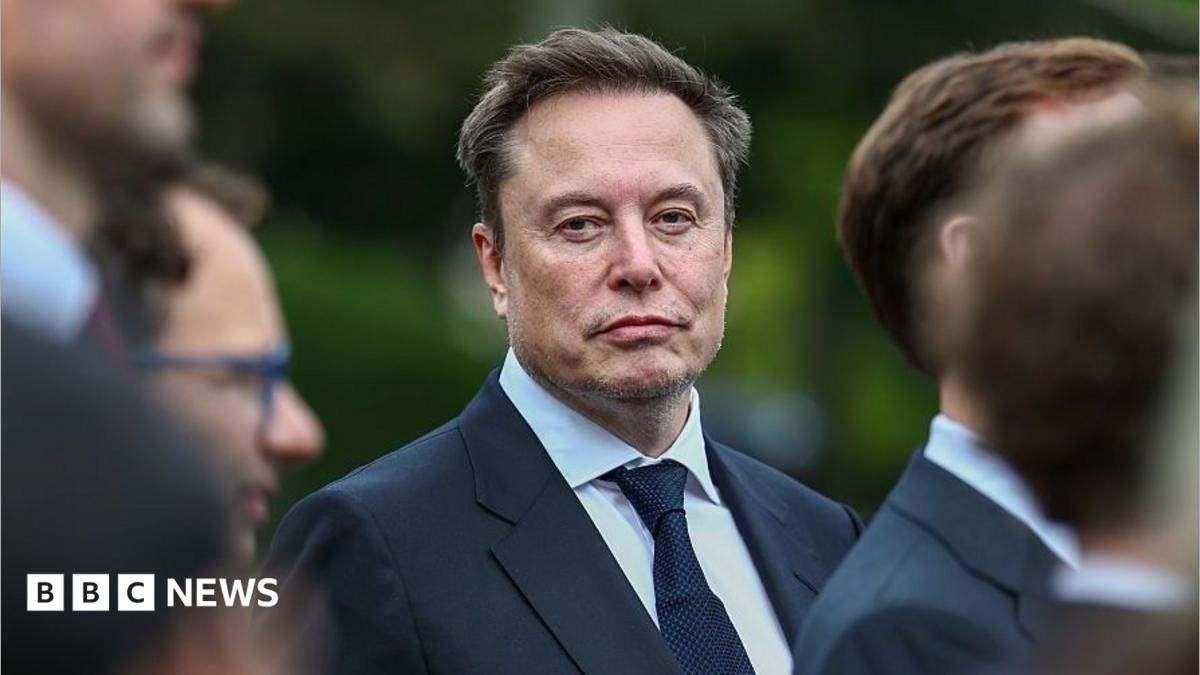
Elon Musk has publicly floated the prospect of combining his two primary commercial engines, electric vehicle manufacturer Tesla Inc. and aerospace contractor Space Exploration Technologies Corp. (SpaceX). Such a consolidation, if executed, would represent the largest corporate transaction in global economic history, uniting an automotive and energy storage giant valued in the hundreds of billions with a dominant aerospace entity critical to sovereign defense architectures.
Musk noted that there is "a lot to be gained" through structural integration, pointing toward operational synergies, consolidated research and development, and unified capital allocation. However, the proposal introduces profound strategic complications. SpaceX operates as a critical contractor for the United States Department of Defense and NASA, controlling vital space launch infrastructure and the Starlink low-Earth orbit satellite network, which has emerged as an indispensable instrument of modern wartime communications and geopolitical influence. Conversely, Tesla maintains an extensive commercial footprint in mainland China, operating a major production facility in Shanghai and sourcing high volumes of battery components from Chinese suppliers. The convergence of a core American national security asset with an enterprise heavily integrated into the Chinese domestic economy immediately elevates the transaction into a volatile cross-border debate involving sovereign sovereignty, export controls, and foreign technology transfer.
[Global Trade](/news/us-midterm-elections-geopolitical-impact-global-trade) & Economic Ripples
The industrial intersections between Tesla and SpaceX would induce immediate shifts across global raw material markets and manufacturing supply chains. Both enterprises are major consumers of advanced materials, including lithium, nickel, cobalt, titanium, and specialized carbon composites. A combined entity would wield unmatched purchasing power, enabling centralized long-term procurement agreements that could squeeze out smaller aerospace and automotive manufacturers, while driving price volatility in global metal and battery commodity exchanges.
Furthermore, the structural integration of SpaceX's Starlink network with Tesla's autonomous mobility software and industrial operations presents significant implications for global digital infrastructure. Connected supply chains, maritime logistics, and remote industrial facilities increasingly depend on orbital broadband. A centralized corporate apparatus controlling both the orbital relay and terrestrial transport fleets would create powerful network effects across commercial shipping corridors, cross-border freight tracking, and edge computing networks, challenging conventional terrestrial telecommunications providers across Europe, Asia, and North America.
Related Intelligence: Musk Considers Tesla and SpaceX Merger to Form Industrial Giant
International Reactions & Diplomatic Stances
Market regulators and sovereign policy bodies have expressed initial skepticism regarding the viability of such an amalgamation. In Washington, national security officials and members of the Committee on Foreign Investment in the United States (CFIUS) are expected to review any formal merger application rigorously, given SpaceX's military contracts and Tesla's international commercial entanglements. Antitrust regulators, including the Federal Trade Commission and the Department of Justice, would scrutinize vertical market concentration and potential conflicts among shareholders.
Across the Atlantic, European Union market watchdogs have privately noted that a unified entity could trigger deep competition probes under the Digital Markets Act and broader antitrust frameworks. Beijing's regulatory apparatus is also likely to examine the development closely; Chinese authorities have previously placed restrictions on the deployment of Tesla vehicles near sensitive military installations due to camera and telemetry concerns, and any structural linkage to SpaceX's defense-adjacent capabilities would intensify scrutiny over Tesla's industrial presence in mainland China.
Strategic Outlook & Future Scenarios
Moving the proposal from conceptual rhetoric to legal execution presents extraordinary hurdles. The transaction would require complex cross-shareholder votes, comprehensive asset valuations, and unprecedented clearance from securities commissions, antitrust bodies, and defense agencies. Tesla exists as a publicly traded company subject to strict disclosure obligations, whereas SpaceX remains closely held and privately capitalized, meaning any direct absorption or merger structure would necessitate sweeping financial restructuring.
In the near term, Musk may pursue deeper operational partnerships, joint ventures, or intellectual property sharing agreements rather than an immediate statutory merger. Should formal proceedings commence, the initiative will likely spark multi-year litigation, diplomatic negotiations between Washington and key trade partners, and extensive market volatility across the aerospace and automotive sectors.
Join Our Official WhatsApp Channel
Receive live commodity alerts, policy changes, and commercial intelligence directly on WhatsApp.