
Durban Massacre Exposes South Africa Security Crisis and Economic Vulnerabilities
A brutal mass shooting in Durban kills eleven individuals, highlighting severe domestic security challenges that threaten South Africa's broader economic stability and investment climate.
Geopolitical & Core Developments
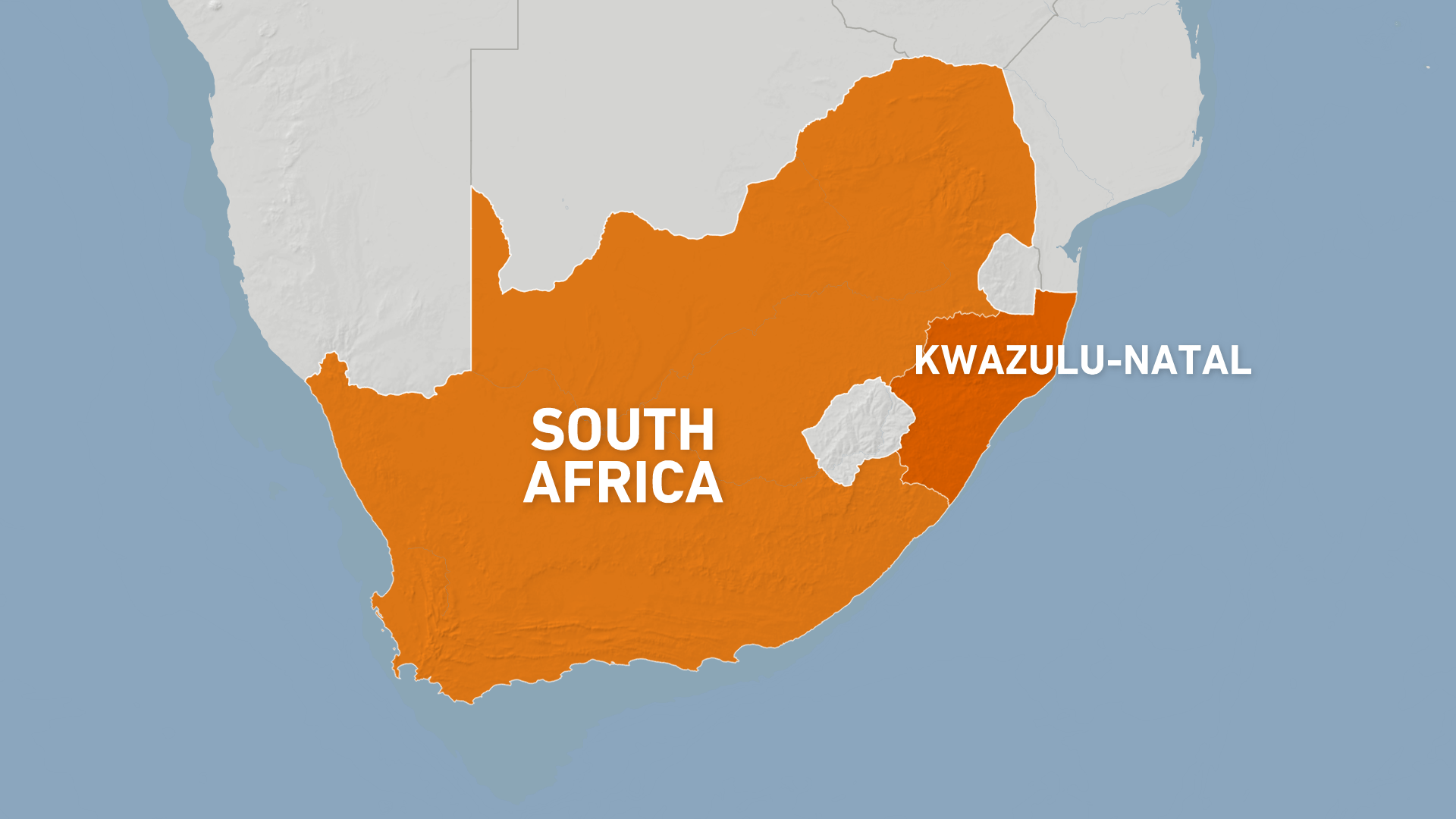
In an incident that has sent shockwaves through Southern Africa, heavily armed assailants opened fire at a residential house party in a township near Durban, leaving at least 11 people dead, including a pregnant woman. The massacre, which underscores the escalating wave of violent crime plaguing the nation's urban centers, has intensified pressure on the South African government to overhaul its national security apparatus. Law enforcement agencies have launched a massive manhunt, deploying specialized tactical units to track down the perpetrators, whose motives remain under active investigation.
This tragic event occurs against a backdrop of chronic socioeconomic friction, high unemployment rates, and widespread proliferation of illegal firearms. For Pretoria, the inability to guarantee basic public safety in densely populated urban and peri-urban areas poses a fundamental governance challenge. State actors and domestic political opposition parties have increasingly locked horns over police resourcing, intelligence-gathering failures, and the systemic corruption that often hampers effective crime prevention. As international observers monitor the unfolding investigation, the incident highlights the fragile security architecture governing Africa's most industrialized economy.
Global Trade & Economic Ripples
While localized in nature, security crises of this magnitude carry immediate ramifications for global trade, commodity markets, and investor sentiment. South Africa serves as a critical gateway for international commerce, acting as a financial nexus and logistical hub for Southern African supply chains, mining operations, and agricultural exports. Persistent headlines concerning violent crime and public disorder directly impact foreign direct investment (FDI), causing multinational corporations and institutional investors to reassess risk premiums associated with regional operations.
Furthermore, broader concerns regarding domestic stability can influence currency valuations, notably the South African rand, creating volatility that ripples through international exchange markets. Commodities ranging from platinum group metals to agricultural staples rely heavily on stable domestic transport corridors and secure labor forces. When systemic violence undermines social cohesion, productivity suffers, potentially constraining export volumes and introducing friction into global supply chains that depend on South African ports and rail networks.
Related Intelligence: South African Mass Shooting Sparks Security Crisis and Economic Concerns
International Reactions & Diplomatic Stances
Global bodies, diplomatic missions, and international market analysts have expressed profound alarm over the Durban tragedy. Representatives from the United Nations and various international human rights organizations have condemned the violence, calling for a swift, transparent judicial process to bring the culprits to justice. Concurrently, foreign embassies in Pretoria have updated travel advisory warnings, signaling to international business travelers and corporate entities the persistent security risks inherent in certain regions of the country.
Economic analysts note that international financial institutions view internal security as a core metric of governance quality. Continued reports of mass casualty events complicate diplomatic engagements and trade negotiations, as foreign partners press South African authorities to demonstrate decisive action in upholding the rule of law. Multilateral trade partners emphasize that robust regulatory and legal frameworks must be underpinned by physical security to sustain long-term economic partnership.
Strategic Outlook & Future Scenarios
Looking ahead, the fallout from the Durban shooting is expected to drive intense domestic policy debates regarding gun control, police reform, and community policing initiatives. As South Africa prepares to engage in upcoming regional and international summits, the government will face rigorous scrutiny from foreign investors and diplomatic counterparts regarding its internal stabilization strategies.
If authorities fail to demonstrate tangible improvements in crime prevention and judicial accountability, the country risks further erosion of investor confidence, potentially leading to capital flight and delayed infrastructure projects. Conversely, a decisive crackdown on illegal firearms syndicates and structural security reforms could reassure international markets and restore domestic calm. The trajectory of South Africa's security landscape remains a pivotal variable for the broader economic health and geopolitical stability of the Southern African Development Community.
Join Our Official WhatsApp Channel
Receive live commodity alerts, policy changes, and commercial intelligence directly on WhatsApp.