
DR Congo Launches Targeted Ebola Vaccine Campaign as Death Toll Mounts
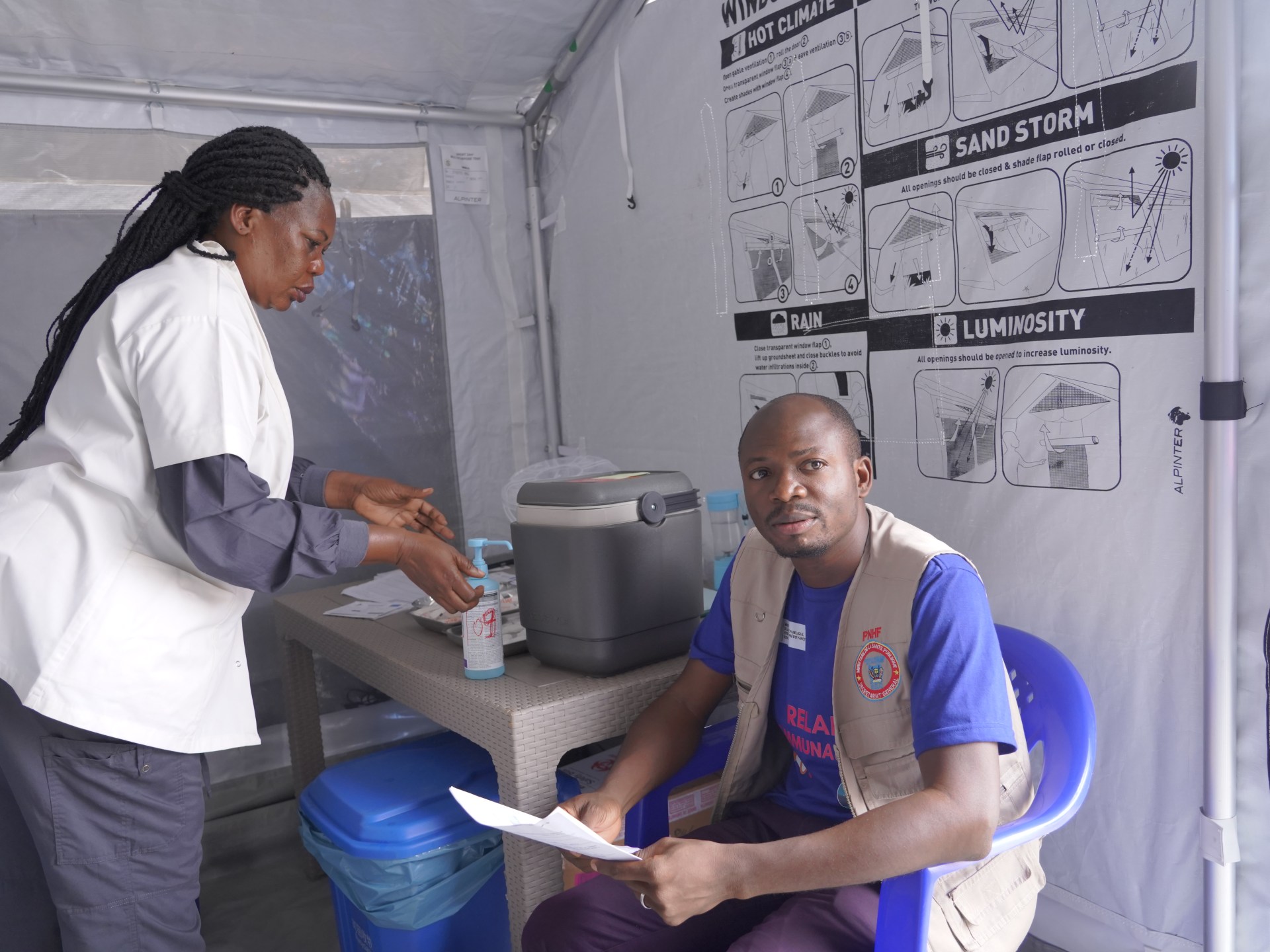
The Democratic Republic of the Congo has launched an emergency vaccination drive for 50,000 healthcare workers amid rising Ebola deaths, seeking to protect clinical personnel and avert broader regional contagion.
Geopolitical & Core Developments
The Democratic Republic of the Congo (DRC) has initiated a targeted vaccination campaign aimed at insulating front-line healthcare personnel against a lethal surge in Ebola virus infections. Under the strategic framework coordinated by the DRC Ministry of Public Health alongside international medical partners, approximately 50,000 frontline medical professionals and auxiliary health workers are scheduled to receive a prophylactic inoculation targeted at a distinct Ebola viral strain. Crucially, 20,000 of these recipients are being systematically enrolled in an expansive, one-year clinical trial designed to evaluate long-term immunogenicity, efficacy, and safety profiles under active outbreak conditions.
The escalation in fatalities underscores the complex epidemiological terrain of the central African state. Health infrastructure in the DRC remains perpetually fragile, battered by decades of underinvestment and exacerbated by chronic civil conflict, particularly across its eastern and northern borderlands. In these volatile peripheries, military confrontations between state armed forces and insurgent factions create severe impediments to contact tracing, quarantine enforcement, and the safe deployment of medical personnel. The vaccination drive represents an urgent public health firewall intended to prevent catastrophic attrition among the nation's already depleted clinical workforce, which would leave broader populations undefended against compound epidemics.
Global Trade & Economic Ripples
While primarily an acute humanitarian crisis, any resurgence of hemorrhagic viral pathogens in the DRC carries outsized implications for global commodity markets and critical mineral supply chains. The DRC commands an indispensable position in the global energy transition, supplying more than 70 percent of the world's cobalt, alongside substantial volumes of high-grade copper, coltan, and industrial diamonds. Past epidemiological crises have precipitated severe logistical bottlenecks, as localized quarantines, cordon sanitaires, and stringent border inspections delayed transport corridors routing raw materials to export hubs across East and Southern Africa.
Should the outbreak breach major transit hubs or key mining nodes, the ensuing disruptions to freight logistics could inject sharp volatility into battery-metal benchmarks. Mining conglomerates operating in the Katanga and Kivu copper-cobalt belts are closely monitoring cross-provincial containment measures. A widening outbreak would inevitably escalate operational expenditures, compelling international extractors to institute private biomedical cordons, mandatory workforce screenings, and expensive medical evacuations. Furthermore, emergency fiscal diversions by the Kinshasa government toward epidemic containment threaten to strain sovereign liquidity, applying downward pressure on the Congolese franc and slowing downstream capital expenditures.
Related Intelligence: India Education Deficit Exposes Human Capital Risks Amid Supply Chain Push
International Reactions & Diplomatic Stances
The operationalization of the clinical trial and widespread vaccine rollout has drawn swift engagement from the multilateral community. The World Health Organization (WHO) issued statements commending the proactive deployment while emphasizing that rigorous surveillance and transparent data sharing remain essential to prevent cross-border spillover into neighboring Great Lakes nations, including Uganda, Rwanda, and Burundi.
The Africa Centres for Disease Control and Prevention (Africa CDC) has reiterated calls for expanded regional health sovereignty, highlighting the imperative for localized biomanufacturing capabilities to reduce Africa's structural reliance on ad-hoc international vaccine donations. Meanwhile, Western diplomatic missions and multilateral lenders have underscored the necessity of harmonizing clinical interventions with sustained humanitarian aid, noting that public health measures cannot succeed in isolation from community trust and regional security guarantees.
Strategic Outlook & Future Scenarios
The trajectory of the outbreak over the coming quarters hinges heavily on the interim results of the 20,000-participant clinical trial and the velocity of vaccine distribution across high-risk health zones. A decisive containment within the health sector would stabilize investor sentiment and prevent institutional breakdown in municipal healthcare systems.
Conversely, should the pathogen penetrate densely populated urban centers or mining logistics arteries, international scrutiny will rapidly intensify, raising the probability of renewed global health alerts or emergency declarations. Furthermore, the scheduled drawdown of international peacekeeping missions creates a precarious security vacuum, where armed non-state actors could exploit disrupted governance to undermine containment efforts. Global commodity buyers and regional policymakers face a critical window to reinforce logistics resilience before seasonal rains and shifting population flows amplify transmission vectors across national borders.
Join Our Official WhatsApp Channel
Receive live commodity alerts, policy changes, and commercial intelligence directly on WhatsApp.