
Djibouti Boat Disaster Exposes Red Sea Migration Crisis
A catastrophic migrant shipwreck off Djibouti claims over 109 lives, highlighting severe humanitarian and security vulnerabilities along critical Red Sea trade corridors.
Geopolitical & Core Developments
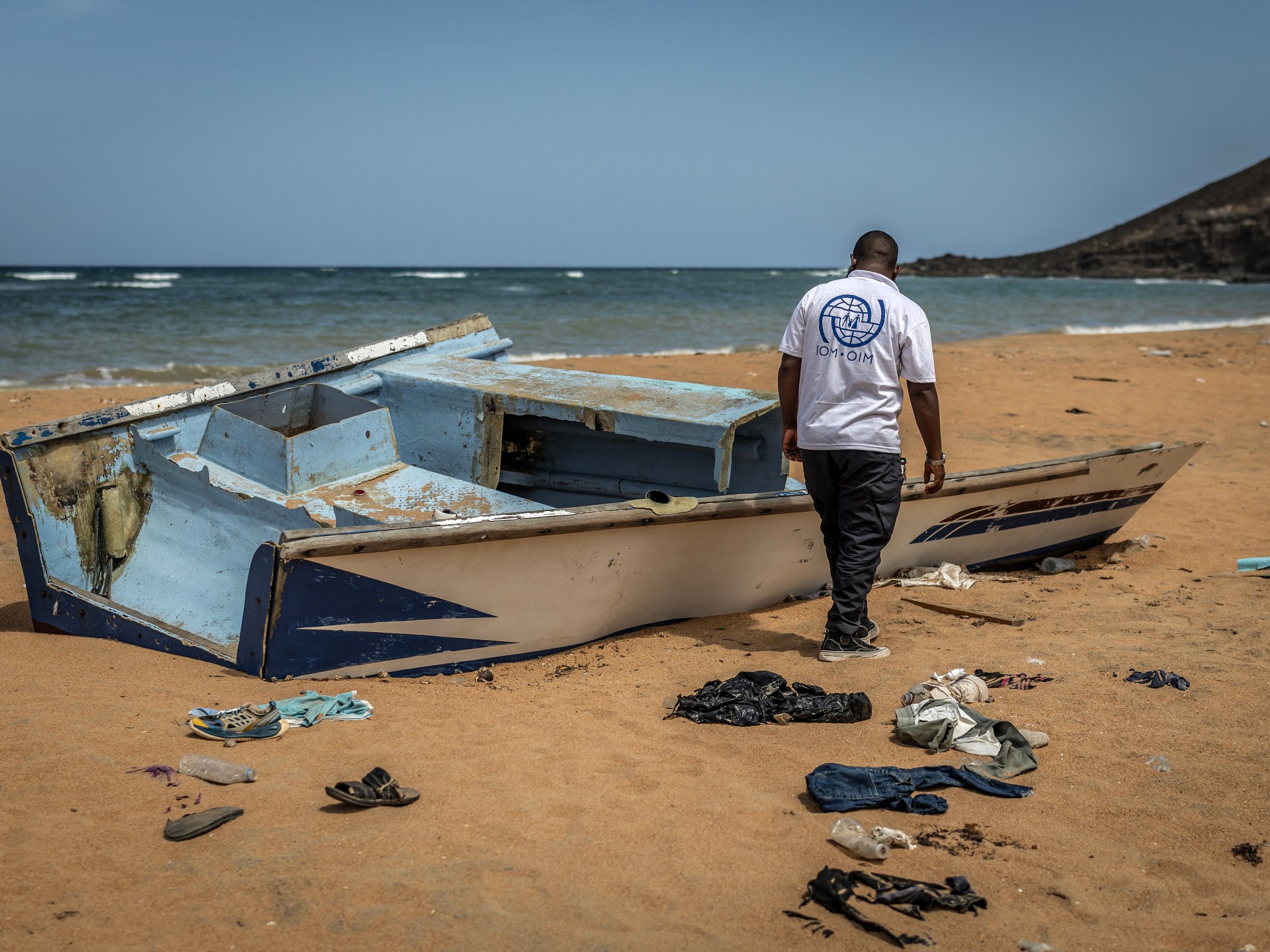
The maritime tragedy off the coast of Djibouti, where a vessel carrying over 300 migrants capsized near the coastal area of Guhere, has laid bare the persistent humanitarian and security crises along the Horn of Africa. Search and rescue operations, coordinated by local authorities alongside international humanitarian agencies, have recovered at least 109 bodies, with more than 100 individuals remaining unaccounted for. The vessel, overloaded and ill-equipped for the perilous crossing, highlights the desperate measures undertaken by displaced populations fleeing conflict, economic instability, and severe climate-induced droughts in East Africa.
The Eastern Route, stretching from the Horn of Africa across the Bab el-Mandeb strait to the Arabian Peninsula, remains one of the world's most heavily trafficked and hazardous migration pathways. Despite heightened regional conflicts and ongoing maritime security interventions in the Red Sea, criminal smuggling networks continue to exploit regulatory gaps, weak border enforcement, and economic desperation. State actors in the region face mounting diplomatic pressure to enhance maritime surveillance and dismantle transnational trafficking rings that operate with relative impunity across porous maritime boundaries.
Global Trade & Economic Ripples
While primarily a human catastrophe, the disaster intersects with a zone of critical strategic and commercial importance. The Bab el-Mandeb strait and adjacent Red Sea corridors serve as vital arterials for global energy shipments, containerized cargo, and bulk commodity transit connecting Asian manufacturing hubs with European markets. Compounding security incidents—ranging from geopolitical maritime blockades to illicit trafficking operations—introduce operational complexities and elevated risk premiums for international shipping conglomerates.
Global commodity markets and maritime insurers closely monitor security conditions across these critical chokepoints. Increased regulatory scrutiny on maritime traffic, necessitated by humanitarian crises and security threats alike, can introduce friction into supply chains. Although migrant vessel incidents do not directly disrupt physical cargo flows, they contribute to an unstable operational environment where naval patrols, search-and-rescue diversions, and heightened threat assessments intermittently alter standard vessel routing and port clearance timelines.
Related Intelligence: Nepalese Flash Floods Disrupt Regional Supply Chains and Hydropower Infrastructure
International Reactions & Diplomatic Stances
International bodies, including the United Nations International Organization for Migration (IOM) and the United High Commissioner for Refugees (UNHCR), have issued urgent appeals for enhanced cooperative frameworks to secure maritime safety and address the root drivers of irregular migration. Multilateral partners have emphasized the necessity of bolstering economic resilience within source countries across East Africa, arguing that localized stabilization initiatives are the only viable long-term counterweight to predatory human smuggling syndicates.
Diplomatic representatives from East African nations and transit hubs on the Arabian Peninsula have engaged in bilateral consultations to address border management deficiencies. However, structural policy divergences persist regarding burden-sharing, refugee status determination, and the funding of regional development programs. Economic analysts and geopolitical risk consultancies note that without coordinated financial commitments from wealthy destination economies and international financial institutions, regional governments will remain underequipped to police extensive coastline perimeters effectively.
Strategic Outlook & Future Scenarios
Looking ahead, the trajectory of migration flows through the Horn of Africa suggests continued volatility absent significant geopolitical stabilization in origin states such as Ethiopia, Somalia, and Yemen. Upcoming regional summits focusing on security and economic integration are expected to prioritize maritime policing and anti-trafficking protocols, though implementation timelines remain uncertain.
For international trade and logistics operators, the convergence of humanitarian crises and broader geopolitical tensions in the Red Sea basin mandates robust enterprise risk management. Stakeholders across the energy and maritime sectors must account for persistent operational unpredictability as regional governments balance commercial traffic facilitation with escalating security and humanitarian imperatives.
Join Our Official WhatsApp Channel
Receive live commodity alerts, policy changes, and commercial intelligence directly on WhatsApp.