
Cuba Grid Collapse Highlights Deepening Caribbean Energy Crisis and Geopolitical Friction
A nationwide power grid failure in Cuba has left millions without electricity, underscoring chronic fuel shortages, decaying infrastructure, and escalating geopolitical friction between Havana and Washington.
Geopolitical & Core Developments
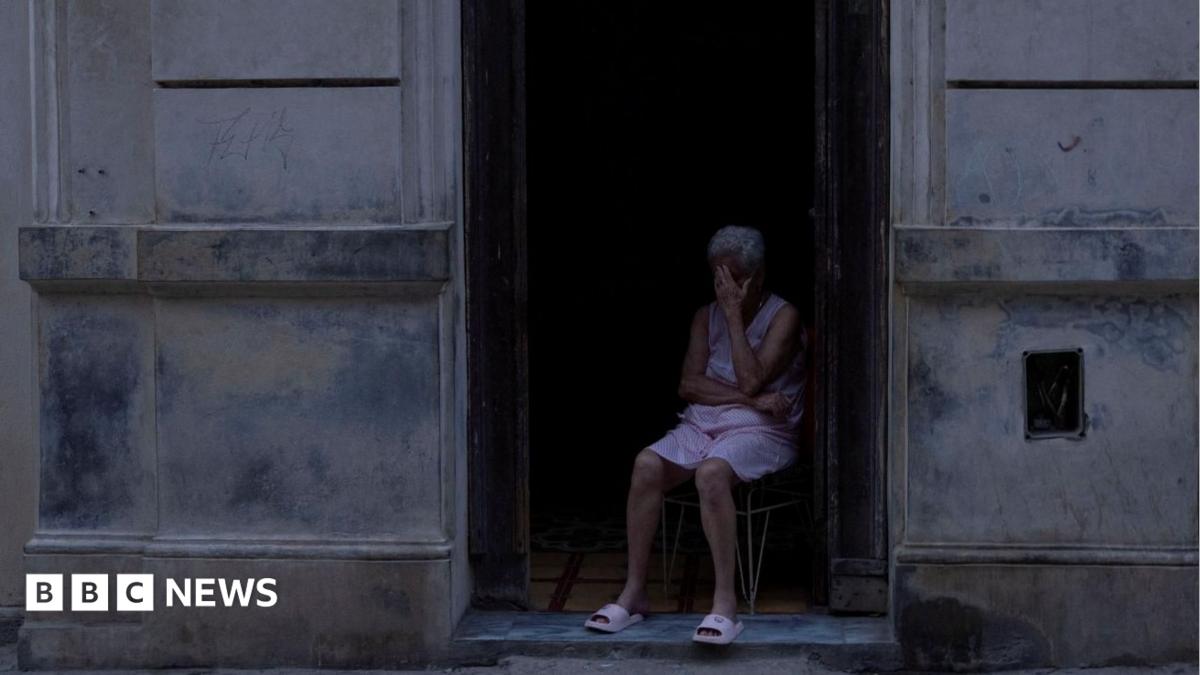
Cuba experienced another catastrophic failure of its national electrical grid this week, plunging millions of citizens into darkness and paralyzing public services, industrial facilities, and transport hubs across the island. The breakdown of the National Electric System (SEN) followed an unexpected trip at key thermoelectric facilities, principally the Antonio Guiteras power plant in Matanzas, which has repeatedly buckled under decades of deferred maintenance, lack of capital upgrades, and acute fuel deficits.
The crisis illustrates the compounding structural vulnerabilities facing the island nation. State energy enterprise Unión Eléctrica (UNE) has struggled to secure the light crude and heavy fuel oil required to power Soviet-era generation assets and distributed diesel generators. Historically dependent on subsidized crude shipments from Venezuela, Havana has seen deliveries drop precipitously as Caracas rationalizes domestic crude allocations and prioritizes hard-currency sales. Sporadic shipments from Russia and state-backed fuel loans from Mexico's Pemex have provided brief respites but failed to establish a durable energy buffer, exposing the country's acute sensitivity to shifting alliances and volatile regional energy supply chains.
Global Trade & Economic Ripples
The island's acute energy shortfall radiates into wider commodity and trade networks across the Caribbean basin. Maritime transport into Cuba has grown increasingly complex, with commercial freight operators and tanker companies navigating a stringent regime of secondary US sanctions. Fuel tankers frequently encounter difficulties securing letters of credit, maritime insurance, and bunkering clearances, raising freight risk premiums for Caribbean tanker routes and deterring international logistics providers.
Domestically, systemic power outages have paralyzed Cuba's industrial output, particularly its mining operations in nickel and cobalt—critical inputs for global battery and metallurgical supply chains. Port operations, including those at the specialized Mariel Special Development Zone, face intermittent operational halts, slowing maritime container turnarounds and delaying export shipments. Furthermore, commercial agricultural output and cold-chain food storage have degraded, forcing higher sovereign outlays for emergency food imports on spot markets. This has intensified pressure on Cuba's dwindling foreign exchange reserves and accelerated the informal depreciation of the Cuban peso against the US dollar and euro.
Related Intelligence: Premier League Dominance Highlights Sovereign Investment and Global Soft Power Dynamics
International Reactions & Diplomatic Stances
The blackout has reignited diplomatic hostilities between Havana and Washington. Cuban President Miguel Díaz-Canel attributed the crisis squarely to the decades-long US economic embargo, arguing that sanctions prohibit the government from procuring essential spare parts, modernizing electrical infrastructure, and conducting normal international banking transactions for energy imports.
In response, the US Department of State maintained that the island's chronic energy failures stem from systemic economic mismanagement and sustained underinvestment by the ruling Communist Party. Multilateral observers, including United Nations development agencies, have cautioned that continued deterioration will precipitate an acute humanitarian emergency, compounding medical and sanitation risks. Concurrently, regional allies such as Mexico have faced domestic and international scrutiny for providing humanitarian fuel shipments, balancing bilateral solidarity against risks of US regulatory friction.
Strategic Outlook & Future Scenarios
The trajectory of Cuba's energy system remains perilous in the absence of comprehensive capital investment and structural policy reform. In the immediate term, Havana is likely to pursue ad-hoc bilateral agreements, petitioning Moscow and Beijing for subsidized fuel imports, floating power plants (powerships), and concessionary credit for solar energy installations.
However, without structural debt relief or a shift in Washington's sanctions policy, foreign direct investment will remain severely constrained. The protracted power deficit poses major downside risks for Caribbean geopolitical stability, threatening to accelerate another outward wave of irregular maritime migration toward North America and neighboring island states. If grid failures become structural fixtures rather than episodic anomalies, domestic social friction is poised to intensify, compelling the government to reallocate scarce budgetary resources from broader industrial development toward emergency energy procurement.
Join Our Official WhatsApp Channel
Receive live commodity alerts, policy changes, and commercial intelligence directly on WhatsApp.