
British Consulate Removal in Jerusalem Escalates Diplomatic Crisis
The removal of the historic British consulate in East Jerusalem marks a severe diplomatic escalation following UK sanctions, threatening broader geopolitical stability and regional trade relations.
Geopolitical & Core Developments
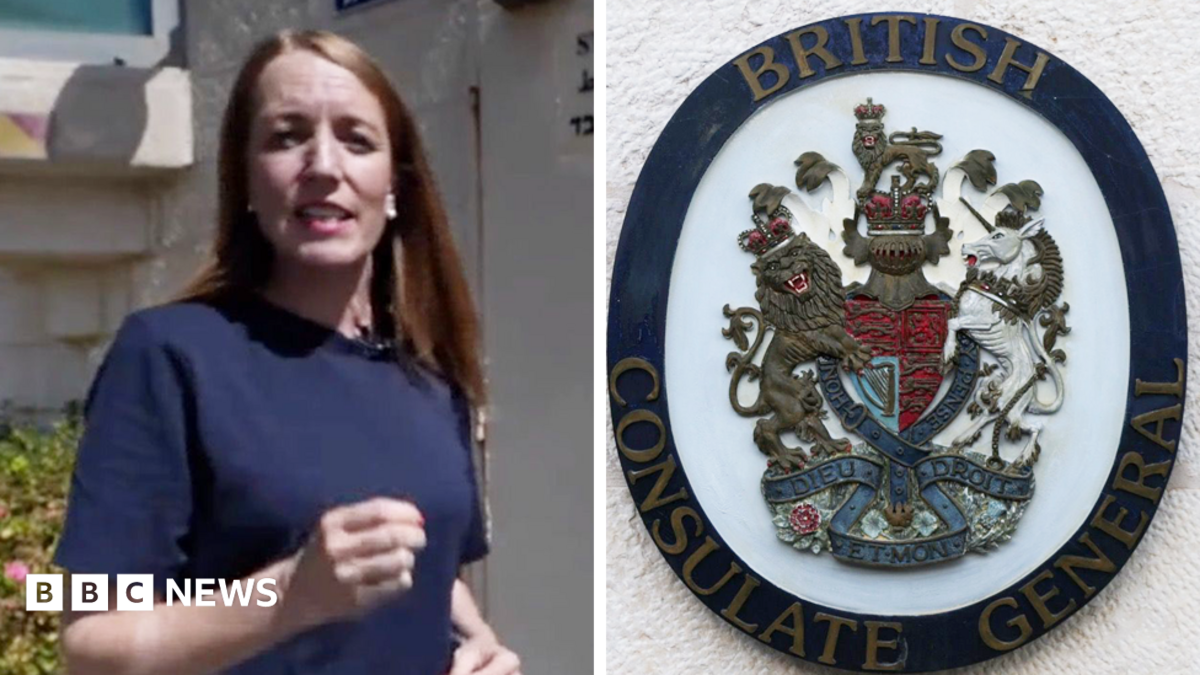
The removal of the plaque and official signage at the British consulate in East Jerusalem marks a dramatic escalation in diplomatic hostilities between London and Tel Aviv. Originally established in 1838 during the Ottoman era, the consular mission has long served as a vital diplomatic conduit and a cornerstone of British engagement in the Levant. The decision by the Israeli government to shutter the facility is a direct retaliatory measure against recent United Kingdom sanctions imposed on radical Israeli figures and entities involved in West Bank settlement expansion.
This overt diplomatic rupture exposes deep fissures between traditional Western allies regarding the governance and legal status of Jerusalem. For decades, the international community has maintained a delicate diplomatic balance concerning the status of the city, avoiding actions that prejudge final status negotiations. By forcing the closure of a foundational diplomatic post, the Israeli administration has signaled an increasingly aggressive posture toward European governments that attempt to penalize its domestic policies through targeted economic and political measures. The timeline of the escalation underscores a tit-for-tat dynamic, where diplomatic expulsions and consular restrictions risk cascading into a permanent severing of official communication channels.
[Global Trade](/news/wto-upgrades-global-trade-forecast-pakistan-gains-middle-east-disruptions) & Economic Ripples
While the immediate crisis is diplomatic in nature, the secondary economic implications for global commodity markets and regional trade lanes are profound. The Levant region functions as a crucial nexus for Eastern Mediterranean energy exploration, critical maritime shipping routes through the Suez Canal corridor, and vital telecommunications infrastructure. Any sustained breakdown in diplomatic relations between major European economies and Israel introduces systemic regulatory uncertainty for multinational corporations operating in the tech, defense, and agricultural sectors.
Furthermore, heightened geopolitical friction in the Middle East invariably injects a risk premium into global energy markets, influencing crude oil pricing benchmarks and liquefied natural gas futures. International shipping conglomerates are increasingly wary of potential retaliatory security measures, regulatory bottlenecks, or port disruptions that could inflate transit insurance premiums. For global commodity traders, the hardening of diplomatic lines limits cooperative multilateral resource development, particularly concerning offshore natural gas fields in the Eastern Mediterranean basin, threatening long-term energy security across Southern Europe.
Related Intelligence: West Bank Olive Harvest Disruption Threatens Global Agricultural Trade
International Reactions & Diplomatic Stances
The dismantling of the historic mission has triggered sharp reactions from multilateral institutions and global capitals. The United Nations has expressed deep concern over the erosion of diplomatic privileges and immunities, emphasizing that consular missions must be protected regardless of bilateral political disputes. European Union officials have rallied behind London, issuing joint statements condemning the forced closure as a violation of established international diplomatic norms and the Vienna Convention on Consular Relations.
Conversely, regional actors and hardline domestic factions within Israel have defended the move as a necessary assertion of national sovereignty against foreign interference. Market analysts note that while immediate financial markets have remained largely resilient, currency valuations, particularly the British Pound and the Israeli New Shekel, remain vulnerable to sustained geopolitical shocks. Institutional investors are closely monitoring whether this bilateral dispute will broaden into multilateral trade restrictions or affect ongoing free trade agreement negotiations between the UK and Israel.
Strategic Outlook & Future Scenarios
Looking ahead, the trajectory of UK-Israel relations depends on whether intermediary nations can broker a de-escalation framework. Upcoming international summits will likely feature intense behind-the-scenes lobbying to prevent further retaliatory cycles. If London chooses to implement harsher diplomatic or economic sanctions in response to the consulate closure, Tel Aviv may respond with visa restrictions or asset freezes affecting British entities.
Ultimately, this crisis serves as a bellwether for shifting global alliances, demonstrating how localized disputes over sovereignty and human rights can rapidly disrupt international commerce and diplomatic stability. Kalyar Traders World Desk will continue to monitor trade lane security, currency shifts, and subsequent diplomatic communiques as this multi-faceted crisis unfolds.
Join Our Official WhatsApp Channel
Receive live commodity alerts, policy changes, and commercial intelligence directly on WhatsApp.