
Brisbane 2032 Olympic River Choice Sparks Scrutiny Over Logistics and Costs
Queensland's selection of the remote Fitzroy River for the 2032 Olympic rowing events has triggered rigorous international scrutiny, centered on escalating infrastructure costs, technical hydrological deficits, and regional logistical complexity.
Geopolitical & Core Developments
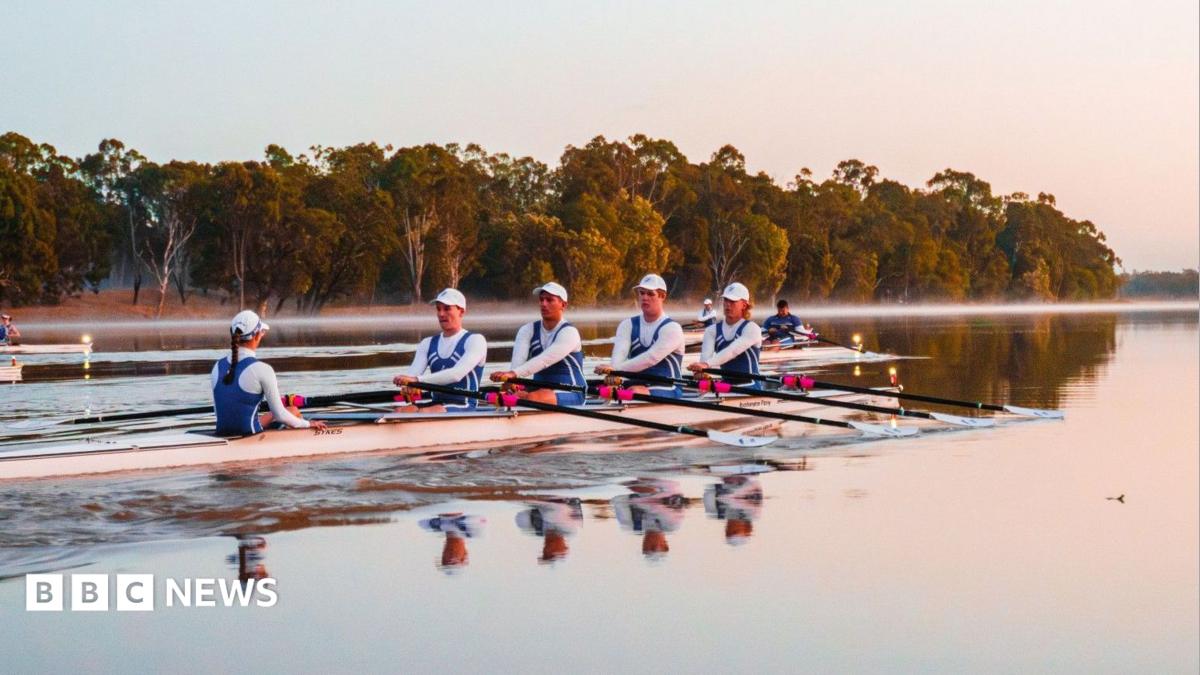
The formal designation of the Fitzroy River in Rockhampton as the proposed rowing and canoe sprint venue for the Brisbane 2032 Olympic Games has catalyzed intense debate surrounding infrastructure governance, regional political balancing, and event decentralization. While international headlines focused heavily on the waterway's population of roughly 500 estuarine crocodiles, the core operational crisis confronting the Brisbane 2032 Organising Committee and the Queensland state government lies in heavy civil engineering and geographic disconnection. Situated more than 600 kilometers north of the principal host metropolis, Rockhampton represents an effort to disperse Olympic capital investment into Central Queensland's regional districts.
However, this decentralized model directly challenges the International Olympic Committee's (IOC) 'New Norm' directive, which mandates cost containment, risk reduction, and the prioritization of pre-existing sporting infrastructure. Establishing an elite international regatta facility on an open, remote river corridor necessitates substantial public underwriting, complex civil adaptations, and long-range logistics corridors, creating sovereign-level coordination obligations well beyond initial budgetary projections.
Global Trade & Economic Ripples
The infrastructure works required along the Fitzroy River intersect directly with key supply networks in Central Queensland, a globally significant export corridor for metallurgical coal, liquefied natural gas, and agricultural products through the Port of Gladstone. Diverting specialized heavy engineering machinery, regional contractors, and skilled labor to secondary sporting infrastructure threatens to tighten an already constrained local construction market, raising project competition against regional freight, rail networks, and renewable energy zone developments.
From a technical standpoint, addressing the Fitzroy River's volatile hydrology presents costly commercial challenges. The river experiences extreme tidal movements, severe seasonal currents, and sedimentation run-off that necessitate dedicated flow-control barriers, specialized exclusion systems, and reinforced pontoon installations. With global supply chains for structural steel, marine engineering components, and specialized containment hardware facing persistent inflationary pricing, capital expenditure commitments for remote venue readiness risk significant budget expansion, complicating Queensland's broader fiscal allocation framework.
Related Intelligence: Pentagon Resumes Mandatory Hormone Screening Amid Global Supply Concerns
International Reactions & Diplomatic Stances
Technical bodies and international sports federations have voiced measured skepticism regarding the course's suitability. Officials connected to World Rowing have highlighted that technical equity—specifically consistent water depth, non-turbulent currents, and uniform lane conditions—is paramount for Olympic competition, warning that natural tidal surges could compromise athletic fairness regardless of predator exclusion measures. Major rowing delegations from Western Europe, North America, and East Asia have similarly raised inquiries regarding the logistical friction of hosting elite competitors hundreds of kilometers from the central athletes' village in Brisbane.
Domestically, Australian organizers and regional civic leaders maintain that decentralized hosting fulfills core promises of socio-economic equity, asserting that post-Games legacy assets will catalyze long-term tourism and civic revitalization for Rockhampton. Simultaneously, local First Nations custodians, including the Darumbal people, alongside environmental protection advocates, have called for strict statutory oversight to ensure that dredging, barrier construction, and high-intensity human activity do not degrade the river's vulnerable riparian ecology.
Strategic Outlook & Future Scenarios
As Brisbane 2032 progresses toward formal master-plan finalization, the Fitzroy River allocation faces decisive milestones. Over the next quadrennium, independent hydrological engineering assessments and comprehensive environmental impact audits will establish whether technical risk-mitigation measures are financially sustainable. Should civil works estimates balloon or international federations conclude that tidal dynamics cannot guarantee equitable competition lanes, authorities may face mounting pressure to reconsider regional alternatives closer to the host city, such as Lake Wyaralong in Southeast Queensland.
The strategic tension over the Fitzroy River reflects an overarching challenge for future global mega-events: managing the friction between inclusive regional development narratives and the uncompromising demands of elite technical standards, financial discipline, and supply chain realities.
Join Our Official WhatsApp Channel
Receive live commodity alerts, policy changes, and commercial intelligence directly on WhatsApp.