
Pentagon Resumes Mandatory Hormone Screening Amid Global Supply Concerns
The Pentagon has lifted its pause on mandatory testosterone screening for personnel aged 30 and older, advancing an unprecedented defense directive that strains global pharmaceutical markets and triggers widespread clinical scrutiny.
The Core Development
The United States Department of Defense has officially lifted its administrative suspension on a contentious medical directive, reinstituting mandatory testosterone deficiency screening for military personnel aged 30 and older. Initially championed by US Defence Secretary Pete Hegseth as an essential initiative to bolster combat readiness and physical efficacy, the policy was first unveiled in July before facing a brief regulatory freeze in early September to facilitate procedural updates.
Under the finalized parameters, the testing protocol mandates diagnostic blood panels for male service personnel reaching the demographic threshold, while female service members will undergo targeted diagnostic questionnaires to evaluate potential endocrine and hormonal imbalances. If deficiencies or clinical markers are flagged, personnel will be routed into military-supervised therapeutic treatment pathways. Despite the Pentagon's determination to operationalize the initiative across active-duty and reserve components, the framework has drawn severe condemnation from clinical endocrinologists and military health specialists, who assert that universal screening lacks sound empirical justification, risks widespread overdiagnosis, and exposes troops to significant cardiovascular and reproductive health liabilities.
Commercial & Economic Implications
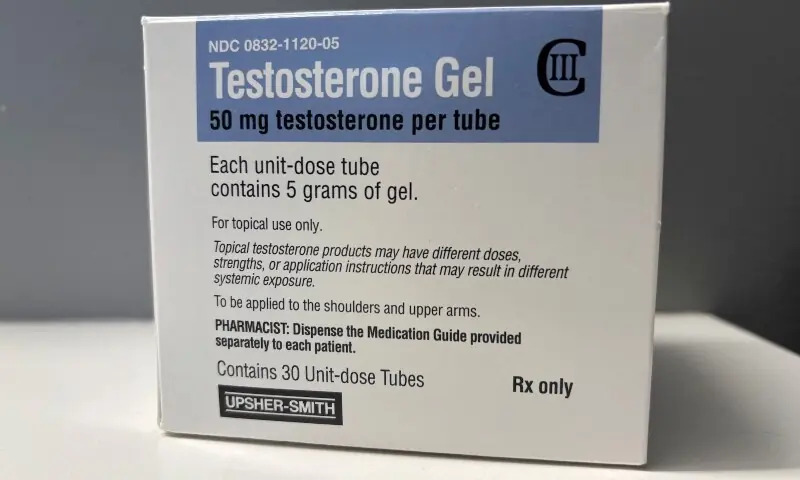
Beyond the clinical dispute, the Pentagon's intervention carries substantial ramifications for global pharmaceutical markets, raw material supply chains, and retail medicine distribution networks. Mobilizing institutional hormone screening for hundreds of thousands of active personnel will trigger an acute surge in institutional procurement demand for exogenous testosterone formulations, transdermal gels, and injectable therapies.
For emerging pharmaceutical markets like Pakistan, where retail trade and wholesale distribution rely heavily on international supply lines for active pharmaceutical ingredients (APIs) and finished biologicals, this structural demand shift creates measurable headwinds. Domestic pharmaceutical manufacturers and importers operating in commercial trading hubs across Karachi, Lahore, and Faisalabad face rising procurement costs as primary API synthesis hubs in China and India redirect export allocations toward premium Western institutional buyers. Consequently, private retail pharmacies in Pakistan may confront inventory deficits and margin compression for standard endocrine treatments. Furthermore, heightened global demand frequently fuels unregulated parallel import channels and price volatility within secondary wholesale markets, challenging regulatory oversight by the Drug Regulatory Authority of Pakistan (DRAP) and burdening consumers with elevated retail prices.
Stakeholder Perspectives & Market Reactions
The policy's resumption has ignited fierce pushback from international healthcare bodies and industry watchdogs. Medical societies, including leading endocrine associations, reiterate that routine testosterone testing without overt symptomatic pathology contradicts universally accepted clinical guidelines. Critics emphasize that aggressive hormone replacement therapy (HRT) carries documented side effects, including hepatic strain, polycythemia, and heightened risks of thromboembolic events, presenting long-term fiscal liabilities for defense healthcare infrastructure.
Conversely, pharmaceutical market analysts note that commercial manufacturers of specialized hormonal therapies are positioning themselves for substantial revenue gains via federal procurement contracts. Within Pakistan, retail pharmacy associations and medicine distributors have expressed caution regarding potential supply squeezes. Industry representatives warn that institutional bulk-buying by major Western sovereign buyers often deprioritizes smaller, price-sensitive developing markets, inevitably exacerbating existing import bottlenecks and increasing local landed costs amidst broader foreign exchange constraints.
Forward Outlook & Key Watchpoints
As the Pentagon begins phase-wise rollout across service branches, international observers and commercial trade networks are tracking several critical indicators. Chief among these is the exact timeline for service-wide implementation, which will reveal the operational capacity of military clinics to handle extensive diagnostic testing and subsequent long-term pharmaceutical monitoring.
Additionally, regulatory actions by the US Food and Drug Administration (FDA) and allied health authorities will serve as crucial benchmarks, especially if increased scrutiny is directed toward widespread off-label testosterone usage. For regional commercial distributors and import houses in South Asia, vigilance over international wholesale price indices and wholesale API lead times will remain vital throughout the upcoming fiscal quarters. Any structural deficit in global finished goods could accelerate local price adjustments, compelling regulatory bodies to adjust maximum retail prices to ensure sustained domestic supply.
Join Our Official WhatsApp Channel
Receive live commodity alerts, policy changes, and commercial intelligence directly on WhatsApp.