
Botswana Authorizes Elephant Cull for Independence Feasts Amid Global Backlash
Botswana faces fierce international condemnation after authorizing the slaughter of 23 elephants and other wildlife for independence day feasts, igniting fierce debates over conservation policy and sovereign rights.
Geopolitical & Core Developments
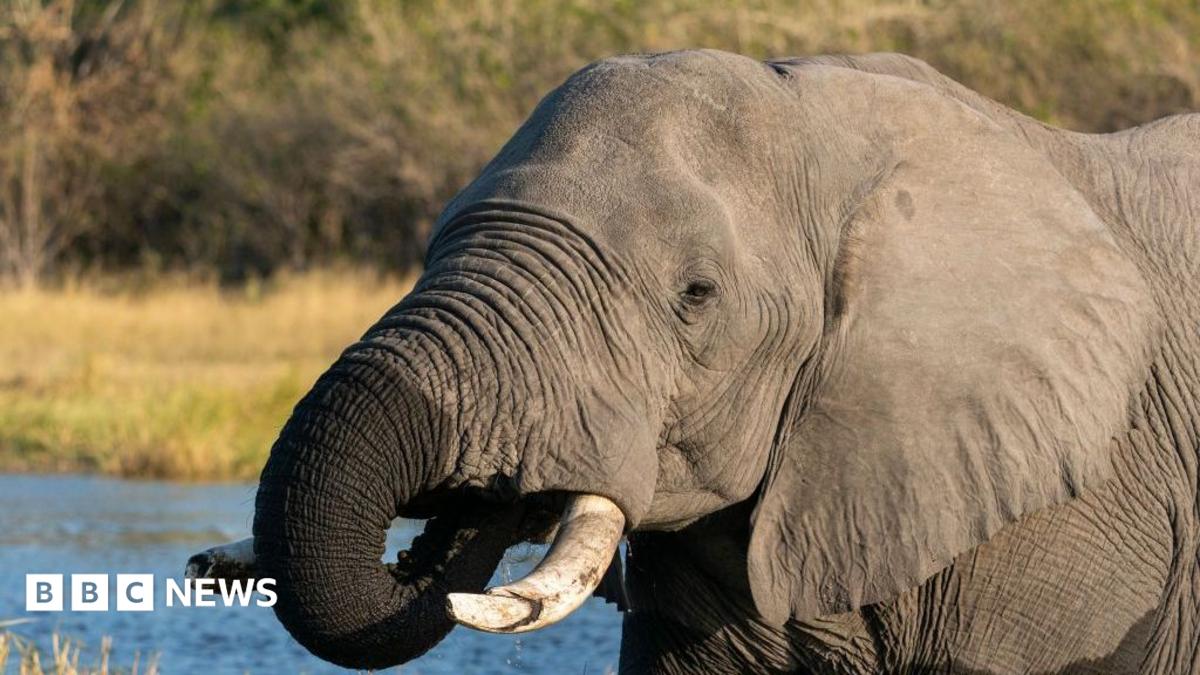
The Government of Botswana has authorized the lethal culling of 23 elephants alongside dozens of other protected wild animals to supply meat for upcoming national independence anniversary celebrations. This decree, issued by central authorities in Gaborone, has ignited a fierce confrontation between sovereign resource management and global conservation imperatives. Botswana, home to the world's largest elephant population estimated at roughly 130,000, has long positioned itself as a vanguard of African wildlife preservation. However, President Mokgweetsi Masisi's administration has increasingly prioritized rural community grievances, arguing that expanding elephant herds inflict severe damage on smallholder agriculture, destroy rural livelihoods, and heighten human-wildlife conflict. By diverting wildlife populations into festive state catering, the government seeks to project traditional solidarity and local self-reliance. Yet, the policy marks a sharp escalation in Gaborone's defiant stance against Western-led conservation pressures, echoing broader geopolitical debates regarding African agency over natural assets historically governed by Eurocentric conservation norms.
Global Trade & Economic Ripples
While the direct commodity value of the culled wildlife is negligible on global exchanges, the policy carries profound economic implications for Botswana's multi-million-dollar tourism sector and broader international trade relations. Eco-tourism generates a significant share of Botswana's foreign exchange earnings, drawing high-spending international travelers who prioritize ethical wildlife viewing and pristine wilderness conservation. International animal welfare organizations and luxury travel conglomerates have warned that state-sanctioned culls could trigger targeted consumer boycotts and reputational damage across Western feeder markets. Furthermore, Botswana's heavy reliance on foreign direct investment, multilateral development grants, and preferential trade access leaves its broader macroeconomic stability vulnerable to diplomatic friction. Any significant contraction in tourism receipts would ripple through domestic employment, foreign reserves, and the stability of the pula against major international currencies, constraining fiscal space for broader infrastructure development.
Related Intelligence: Lebanese Prison Hunger Strike Deepens National Crisis and Regional Instability
International Reactions & Diplomatic Stances
Global reaction has been swift and deeply polarized. Prominent international conservation bodies, including the International Union for Conservation of Nature and various European wildlife charities, have issued scathing condemnations, labeling the cull regressive and ethically indefensible. European diplomatic missions in Gaborone have expressed quiet concern, noting that donor-backed conservation funding could face legislative scrutiny in capitals like London, Berlin, and Washington. Conversely, the Botswana government has defended the measure as an exercise of absolute national sovereignty, accusing international critics of neo-colonial paternalism. Officials in Gaborone argue that foreign actors fail to comprehend the daily economic realities faced by rural populations living alongside dangerous wildlife, asserting that Botswana's conservation record remains exemplary despite localized culling initiatives.
Strategic Outlook & Future Scenarios
As Botswana approaches its independence festivities, the immediate trajectory points toward intensified polarization between Gaborone and international conservation networks. Upcoming international summits on biodiversity and wildlife trade are expected to feature heated diplomatic friction regarding African elephant management strategies. If the Botswana administration persists with utilizing protected megafauna for domestic political and celebratory purposes, it risks alienating key donor nations and luxury tourism markets, potentially compelling the state to diversify its economic partnerships toward non-traditional Asian and regional actors less sensitive to ecological controversies. Ultimately, the crisis underscores the fragile balance developing nations must navigate between satisfying domestic populist pressures and maintaining favorable integration into the global economy.
Join Our Official WhatsApp Channel
Receive live commodity alerts, policy changes, and commercial intelligence directly on WhatsApp.