
Black Sea Drone Strikes Sink Cargo Vessel and Deepen Maritime Crisis
Bulgarian emergency services are searching for missing crew members after drone strikes sank a Togo-flagged cargo vessel in the Black Sea, escalating risks for regional commodity shipping lanes.
Geopolitical & Core Developments
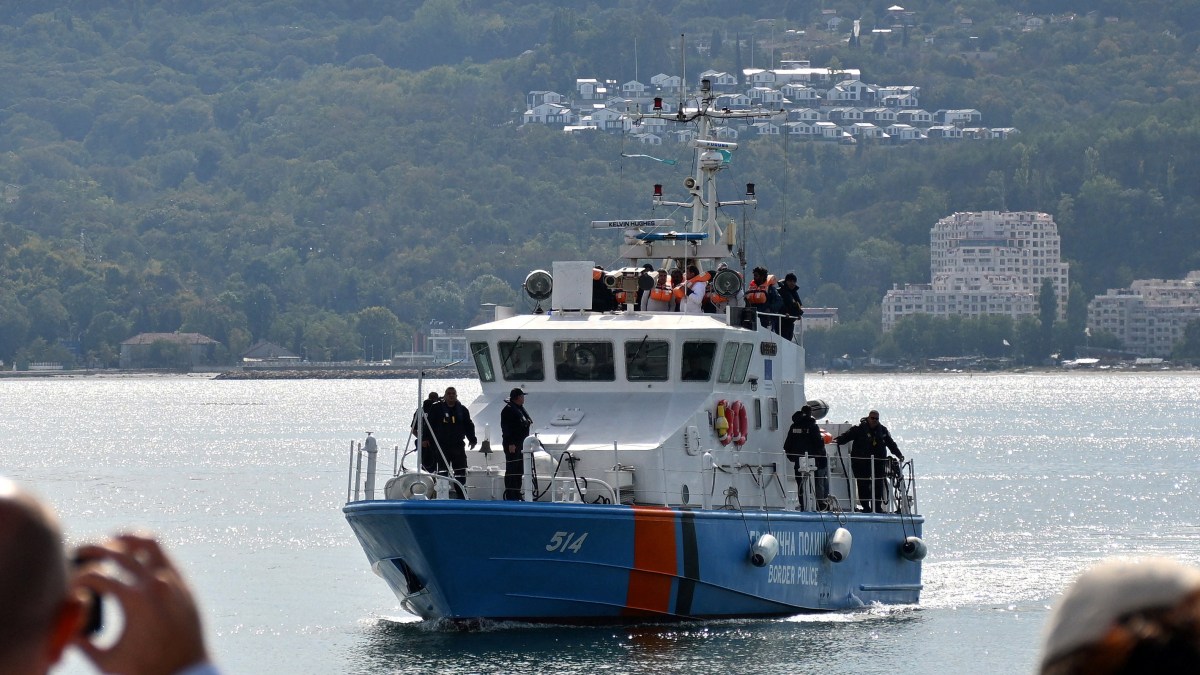
The security architecture of the Black Sea region deteriorated further following a coordinated drone strike targeting commercial shipping in western waters. The Togo-flagged cargo vessel Alfa Watan sustained catastrophic structural damage after being struck by unidentified maritime drones, ultimately resulting in its sinking near the strategic coastline. Bulgarian maritime rescue coordination centers immediately initiated extensive search and operation protocols to locate missing crew members amid treacherous weather and high threat levels. This incident marks a dangerous evolution in the maritime theater of the ongoing conflict, extending kinetic risks closer to NATO member territorial waters and civilian trade routes.
The strike underscores the growing vulnerability of civilian logistics operating within contested maritime zones. While naval escorts and maritime corridors have periodically facilitated the flow of regional exports, the proliferation of low-cost, high-impact asymmetric weapons such as surface and aerial drones has rendered static defense mechanisms largely ineffective. State actors and proxy forces continue to contest sovereignty over crucial maritime chokepoints, transforming vital commercial arteries into active combat zones where neutral commercial vessels face unprecedented existential threats.
Global Trade & Economic Ripples
The sinking of the Alfa Watan and the simultaneous targeting of a second commercial vessel deliver an immediate shock to global commodity markets and maritime insurance frameworks. The Black Sea basin serves as an indispensable artery for international agricultural trade, supplying millions of tons of wheat, corn, and fertilizer to global markets, particularly across the Middle East and North Africa. Subsequent attacks threaten to trigger an immediate spike in war-risk insurance premiums for vessels operating in the region, which will inevitably inflate freight rates and pass additional cost burdens onto end consumers.
Energy transit and dry-bulk shipping logistics are also absorbing the shockwaves of this escalation. Shipowners and charterers are increasingly reluctant to dispatch crews into high-risk zones, leading to potential vessel bottlenecks, route diversions, and delays in global supply chains. Commodity traders are pricing in heightened geopolitical premiums, amplifying inflationary pressures across staple foodstuffs and industrial inputs. The disruption risks reversing fragile stabilization gains achieved in international shipping markets over the preceding quarters, forcing a re-evaluation of risk management strategies across major trade houses.
Related Intelligence: France Protests Enter Critical Phase as Nationwide Strikes Threaten Supply Chains
International Reactions & Diplomatic Stances
International bodies and littoral states have expressed profound alarm over the deteriorating security situation in the Black Sea. Officials from the United Nations reiterated calls for the absolute protection of civilian navigation and merchant shipping, emphasizing that targeting commercial infrastructure constitutes a grave violation of international maritime law. Multilateral trade organizations urged immediate restraint from all belligerent parties to prevent the complete paralysis of vital export corridors that support global food security.
Regional NATO members, particularly Bulgaria and Romania, face mounting strategic dilemmas regarding how to respond to kinetic incidents occurring in close proximity to their exclusive economic zones. Defense ministries have stepped up surveillance operations and maritime patrol frequencies, though allied capitals remain cautious to avoid direct military escalation with nuclear-armed adversaries. Market analysts note that diplomatic channels remain deeply fractured, with little consensus on establishing effective enforcement mechanisms to guarantee the safety of neutral merchant vessels.
Strategic Outlook & Future Scenarios
The trajectory of the Black Sea maritime crisis points toward sustained instability, with belligerents likely to continue utilizing asymmetric tactics to interdict logistical lines. Upcoming diplomatic summits and international transport forums will face intense pressure to devise alternative export safeguards, though tangible enforcement remains improbable without robust naval coalition backing. Sanctions regimes targeting defense supply chains and maritime intelligence networks are expected to tighten as Western governments seek to degrade the operational capabilities of offending state actors.
In the medium term, persistent kinetic threats could permanently alter trade geography, compelling grain and energy exporters to rely more heavily on overland rail corridors, river ports, and alternative northern routes despite higher logistical costs. For global commodity markets, the era of secure Black Sea transit has definitively closed, replaced by a permanent risk-premium paradigm where trade flows remain hostage to geopolitical volatility and technological proliferation in asymmetric warfare.
Join Our Official WhatsApp Channel
Receive live commodity alerts, policy changes, and commercial intelligence directly on WhatsApp.