
Biometric SIM Fraud Targets Parliamentarians Exposing Critical Banking Vulnerabilities
Sophisticated biometric fraud targeted Pakistani lawmakers via unauthorized SIM-swap maneuvers, raising urgent security alarms across the telecom, retail, and commercial banking sectors.
The Core Development
A sophisticated cyber-financial crime syndicate operating within Pakistan has compromised high-profile political figures, exposing critical vulnerabilities in the country's telecommunications and digital banking architecture. On January 12, Farhan Chishti, a Member of the National Assembly (MNA) affiliated with the Muttahida Qaumi Movement (MQM), arrived at Islamabad International Airport to discover his mobile device completely non-functional. Lacking cellular reception and inbound text capabilities, Chishti initially dismissed the issue as a localized network disruption. However, the service blackout was the hallmark of an orchestrated SIM-swap fraud. Within hours, unauthorized actors bypassed digital financial access controls, draining capital directly from his bank accounts. Chishti was not an isolated target; another parliamentarian fell victim to an identical scheme within the same operational window.
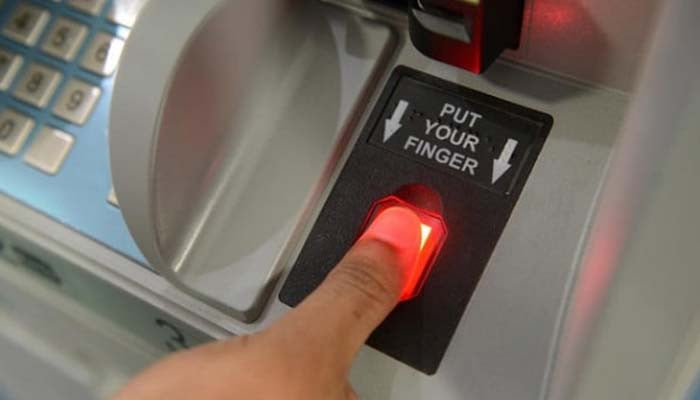
Preliminary investigative findings indicate the perpetrators secured duplicate SIM cards by exploiting biometric verification loopholes at telecom franchise retail outlets. Using counterfeit silicone fingerprints or compromised franchise credentials linked to the National Database and Registration Authority (NADRA) verification system, the syndicate severed the legitimate users' mobile access. Once the active SIM was replicated, the perpetrators intercepted one-time passwords (OTPs) and multi-factor authorization prompts, resetting mobile banking credentials and transferring liquid balances via interbank electronic funds transfer conduits.
Commercial & Economic Implications
The exploitation of biometric telecom verification carries acute ramifications for Pakistan's digital economy, formal retail operations, and financial inclusion agendas. The State Bank of Pakistan (SBP) has aggressively championed the transition toward cashless transactions through platforms such as Raast, mobile wallets, and retail point-of-sale systems. However, systemic reliance on SMS-based two-factor authentication (2FA) transforms telecommunications infrastructure into a single point of failure for retail commerce and corporate cash management.
For enterprise distributors, retail networks, and commercial merchants conducting high-volume daily settlements via digital banking, the incident undermines institutional trust. Unauthorized SIM replacements jeopardize not merely individual savings, but commercial working capital, vendor disbursements, and trade settlement protocols. If biometric identity frameworks can be bypassed against lawmakers with high public profiles, average commercial operators face an elevated risk matrix. This exposure threatens to slow digital payment adoption, driving small-to-medium enterprises back toward cash-dominant transactions, thereby exacerbating the undocumented liquidity circulating outside the documented banking perimeter.
Related Intelligence: Alberta Votes on Referendum Path Amid Canada Sovereignty Crisis and Trade Headwinds
Stakeholder Perspectives & Market Reactions
The security breach has prompted severe backlash across parliamentary circles, fintech consortiums, and the legal community. Financial crime investigators have highlighted systemic negligence across telecom franchise distribution networks, where low-tier retail agents often face weak operational oversight and inadequate deterrents against collusion. Industry analysts argue that the Pakistan Telecommunication Authority (PTA) and commercial banks have operated in isolated silos, failing to establish real-time alert linkages that immediately flag banking platforms when a SIM undergoes re-issuance.
Legal and cybersecurity experts have demanded immediate enforcement of strict liability frameworks against telecom operators whose franchised representatives execute fraudulent biometric transfers. Banking compliance departments are privately voicing alarm, acknowledging that current perimeter defenses cannot withstand compromised telecommunications layers. Trade and merchant bodies have called on commercial lenders to transition immediately away from legacy SMS-based authentication, advocating instead for hardware tokens, localized app-based authenticators, and behavioral biometric profiling to authorize outbound transactions.
Forward Outlook & Key Watchpoints
The National Assembly's Standing Committees on Interior and Information Technology are anticipated to summon officials from the PTA, NADRA, and the Federal Investigation Agency's (FIA) Cybercrime Wing to account for these systemic breaches. Market observers are monitoring several critical policy interventions over the coming quarters. First, the SBP is expected to issue revised digital banking guidelines mandating an automatic cooling-off period—barring financial transfers for a minimum of 24 to 48 hours following any SIM re-issuance or mobile device migration.
Second, the PTA faces urgent demands to enforce live liveness detection within all biometric fingerprint scanners deployed across nationwide retail distribution channels. Franchise agreements between telecom operators and third-party vendors will likely face stringent regulatory revisions, introducing criminal accountability for franchisees implicated in identity spoofing. As digital payments expand across wholesale and retail corridors, closing these systemic vulnerabilities remains imperative to safeguarding enterprise liquidity and financial stability.
Join Our Official WhatsApp Channel
Receive live commodity alerts, policy changes, and commercial intelligence directly on WhatsApp.