
Bandung Spirit Resurfaces Amid Modern Geopolitical and Economic Fractures
As modern geopolitical tensions fracture international trade, policymakers look back to the 1955 Bandung Conference for lessons on non-alignment and equitable global cooperation.
Geopolitical & Core Developments
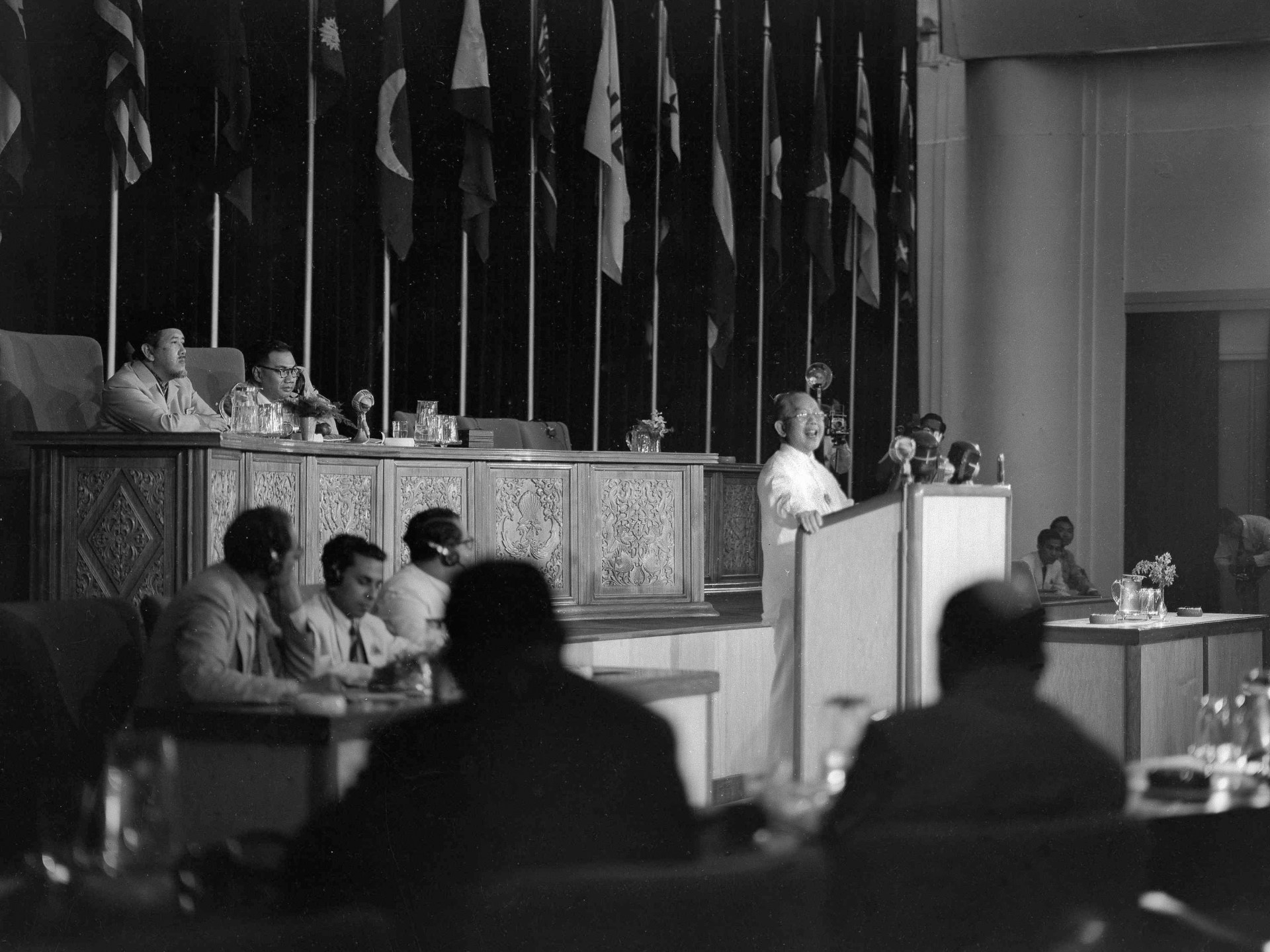
In an era defined by intensifying strategic competition between Washington and Beijing, alongside protracted conflicts in Eastern Europe and the Middle East, the ghosts of the mid-20th century are making a pronounced return to international diplomacy. Modern state actors across the Global South find themselves navigating a newly bifurcated global architecture reminiscent of Cold War-era polarization. Exactly seventy years after leaders from twenty-nine newly decolonized Asian and African nations gathered in Indonesia for the historic Bandung Conference, the foundational tenets of that summit—anti-imperialism, national sovereignty, and strategic non-alignment—are being aggressively re-examined.
Today's diplomatic landscape is characterized by the resurgence of middle powers refusing to act as subordinate proxies in great power rivalries. Nations such as India, Brazil, Indonesia, and South Africa are charting independent foreign policies, engaging in multi-alignment strategies that maximize national interest over ideological conformity. This diplomatic recalibration unfolds against a backdrop of institutional paralysis within traditional multilateral bodies like the United Nations Security Council, prompting developing nations to seek alternative frameworks for regional security, technological exchange, and sovereign debt restructuring.
Global Trade & Economic Ripples
The echoes of Bandung resonate profoundly within global commodity markets and maritime trade corridors. As geopolitical fragmentation accelerates, international supply chains are undergoing forced restructuring, transitioning from efficiency-driven globalization to security-centric 'friend-shoring' and 'near-shoring'. These structural shifts exert upward pressure on production costs across vital sectors, directly impacting energy markets, agricultural flows, and industrial inputs.
Critical raw materials essential for the global energy transition—including lithium, cobalt, nickel, and rare earth elements—have become acute geopolitical leverage points. Resource-rich emerging economies, galvanized by the autonomous spirit of Bandung, are increasingly demanding domestic value addition, stringent environmental standards, and higher royalty revenues from multinational extraction firms. Meanwhile, the weaponization of the US dollar and Western financial messaging systems has catalyzed accelerated de-dollarization efforts. Bilateral trade pacts settled in local currencies, expanding central bank gold reserves, and alternative cross-border payment architectures are steadily eroding the post-war Bretton Woods hegemony, fundamentally transforming the mechanics of international trade and commodity pricing.
Related Intelligence: Tragic Channel Crossing Death Escalates Migration Crisis and Maritime Security Pressures
International Reactions & Diplomatic Stances
Multilateral institutions and Western capitals have responded to the resurgence of Global South solidarity with a mixture of diplomatic engagement and strategic anxiety. Officials at the United Nations have repeatedly emphasized the urgent need for inclusive governance reforms, warning that protracted stagnation in multilateral forums alienates developing economies and undermines international law. Market analysts note that traditional Western financial institutions are being forced to adapt their lending criteria and development finance models to counter the growing economic footprint of alternative lenders, particularly Chinese state-backed infrastructure initiatives.
Simultaneously, regional blocs such as the expanded BRICS grouping and ASEAN are positioning themselves as vital economic counterweights. Statements emerging from recent ministerial meetings underscore a unified demand for fairer representation in global financial governance, equitable access to green transition technologies, and immunity from unilateral economic sanctions that destabilize regional food and energy security.
Strategic Outlook & Future Scenarios
Looking toward the medium term, the trajectory of global commerce and geopolitics will likely be shaped by the degree to which traditional superpowers accommodate the aspirations of the Global South. Upcoming multilateral summits will serve as crucial testing grounds for whether cooperative multi-alignment can effectively mitigate economic fragmentation or if the world is sliding toward permanent trade blocs.
Key escalation points include potential maritime chokepoint disruptions, secondary sanctions compliance disputes, and escalating resource nationalism over critical minerals. For international corporations and commodity traders, navigating this volatile landscape requires robust scenario planning, diversified supply chain footprints, and a nuanced understanding of shifting geopolitical alignments that increasingly mirror the defiant spirit forged in Bandung seven decades ago.
Join Our Official WhatsApp Channel
Receive live commodity alerts, policy changes, and commercial intelligence directly on WhatsApp.