
Islamabad Anti-Terrorism Court Permits Prison Meetings for Imaan Mazari and Spouse
An Islamabad Anti-Terrorism Court has directed prison authorities to facilitate meetings for detained human rights lawyer Imaan Mazari and her husband, amid persistent legal and political volatility.
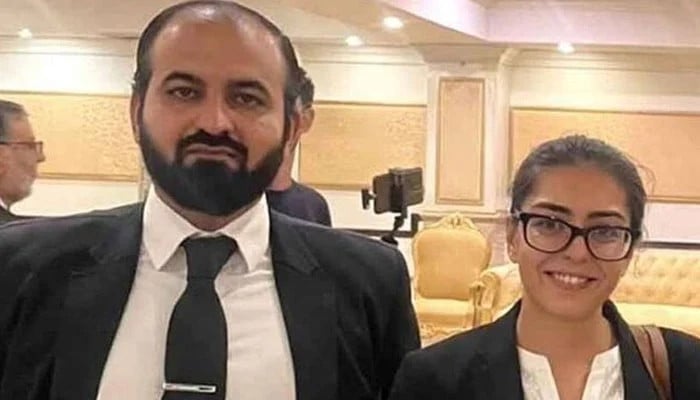
The Core Development An Anti-Terrorism [Court](/news/islamabad-court-remands-suspect-visa-fraud-case) (ATC) in Islamabad presided over critical procedural hearings on Monday, directing judicial and penitentiary authorities to grant scheduled prison meetings for prominent human rights lawyer Imaan Zainab Mazari-Hazir and her spouse, advocate Hadi Ali Chattha. The legal pair had been taken into custody in the federal capital following confrontations with law enforcement personnel over security cordons and vehicular movement during high-profile diplomatic events in Islamabad.
During the proceedings conducted by ATC Judge Abual Hasnat Zulqarnain, legal counsel representing Mazari and Chattha submitted applications seeking formal visitation rights, citing statutory protections under the Pakistan Prison Rules and basic constitutional entitlements. The prosecution outlined the scope of charges filed under the Anti-Terrorism Act (ATA) alongside sections of the Pakistan Penal Code pertaining to interference in state functions. After reviewing arguments from both sides, the bench ordered the administration of Adiala Jail to ensure compliance with legal protocols regarding family and legal access, while establishing procedural timelines for ongoing bail deliberations.
Commercial & Economic Implications The protracted legal battles surrounding civil rights defenders and political dissenters continue to cast a shadow over Pakistan's macro-financial climate. Heightened political [tensions and](/news/riyadh-airport-shutdown-extended-supply-chain-disruptions) frequent friction between legal professionals and state apparatuses in the federal capital directly weigh on investor sentiment, exacerbating institutional uncertainty at a time when Pakistan is striving to stabilize foreign exchange inflows under its International Monetary Fund (IMF) Extended Fund Facility.
From a domestic commercial perspective, recurring judicial and law enforcement confrontations frequently trigger localized security lockdowns, disrupting transport arteries connecting Rawalpindi and Islamabad. Wholesale distribution hubs, commercial supply chains, and urban retail networks report operational slowdowns during unexpected barricading of administrative zones. When high-profile legal clashes dominate national headlines, corporate decision-makers tend to defer capital deployment, adopting a defensive posture that suppresses commercial transaction volumes across major trading corridors.
Related Intelligence: Islamabad ATC Orders Jail Access for Imaan Mazari and Legal Counsel
Stakeholder Perspectives & Market Reactions The legal fraternity, spearheaded by the Islamabad Bar Council and the Supreme Court Bar Association, has reiterated grave apprehension regarding the deployment of anti-terrorism provisions in matters stemming from civil altercations. Bar leaders have argued that excessive charges weaken the rule of law and erode professional independence within the judicial ecosystem. Human rights organizations have echoed these statements, calling for judicial transparency and the preservation of due process.
Concurrently, market participants and retail chambers in the twin cities observe these developments with mounting caution. Representatives of trader associations noted that persistent administrative volatility and public legal disputes detract from broader economic governance. Business bodies emphasize that sustained domestic friction heightens country-risk premiums, dissuading multinational supply partners and denting consumer confidence across urban retail segments.
Forward Outlook & Key Watchpoints The legal trajectory will hinge on upcoming bail hearings scheduled before the Anti-Terrorism Court, as well as potential revision petitions in the Islamabad High Court. Observers will closely monitor whether the state opts to pursue terrorism charges or reclassifies the case under standard procedural statutes.
Over the medium term, institutional handling of legal professionals remains a critical bellwether for Pakistan's governance standards. Market operators and industrial stakeholders will track whether the government can navigate political stability, minimize administrative friction, and secure a predictable regulatory environment essential for economic stabilization.
Join Our Official WhatsApp Channel
Receive live commodity alerts, policy changes, and commercial intelligence directly on WhatsApp.