
ADB Assures Full Support for ML-1 Railway Project as Islamabad Seeks Fast-Track Execution
The Asian Development Bank has reaffirmed backing for Pakistan's Main Line-1 railway overhaul as Planning Minister Ahsan Iqbal urges accelerated implementation to lower freight costs and curb national emissions.
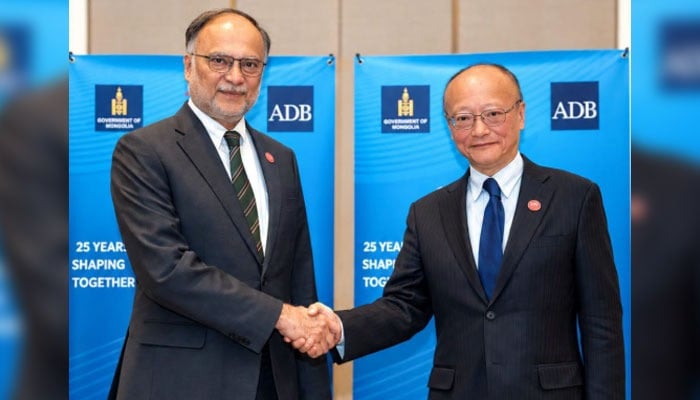
The Core Development
In a high-level strategic engagement aimed at overhauling Pakistan's critical transport infrastructure, the Asian Development Bank (ADB) has formally assured its full-fledged backing for the flagship Main Line-1 (ML-1) railway project. The assurance came during deliberations between Federal Minister for Planning, Development, and Special Initiatives Ahsan Iqbal and senior international financial delegates. The dialogue centered on mobilizing international capital, leveraging technical expertise, and expediting the preliminary phases of the trans-country rail corridor.
The ML-1 project, spanning from Karachi to Peshawar, represents the backbone of Pakistan's rail network. Minister Ahsan Iqbal underscored the urgency of transitioning from protracted bureaucratic planning to fast-track execution, citing escalating logistics expenses and infrastructural bottlenecks as primary drags on national competitiveness. The upgraded corridor is engineered to accommodate higher speeds, double tracking across high-density segments, and modern signaling systems, fundamentally transforming how freight and passengers traverse the country.
Commercial & Economic Implications
For Pakistan's domestic economy, wholesale distributors, and retail supply chains, the modernization of ML-1 carries profound structural implications. Currently, heavy reliance on road freight for moving commodities from southern ports to northern industrial hubs drives up fuel consumption, accelerates highway depreciation, and inflates consumer prices. A modernized rail network is projected to slash freight transit times and reduce cargo transportation costs significantly.
Lower logistics expenditures will directly alleviate cost-push inflationary pressures across staple goods, manufactured products, and agricultural inputs. Furthermore, the low-emission nature of electrified rail transport aligns with global green shipping standards, offering Pakistani exporters a competitive edge in European and North American markets where carbon footprints are increasingly scrutinized. Retail markets stand to benefit from more predictable inventory replenishment cycles, mitigating seasonal supply shocks and stabilizing consumer retail prices.
Related Intelligence: Hong Kong Media Arrest Deepens Press Freedom Concerns and Financial Risk
Stakeholder Perspectives & Market Reactions
Business councils, chambers of commerce, and industrial associations have overwhelmingly welcomed the renewed impetus behind ML-1, characterizing the railway overhaul as long overdue. Representatives from major trade bodies noted that inefficient logistics have historically eroded profit margins and hampered export volumes. By integrating industrial clusters directly into a high-capacity rail grid, manufacturers anticipate seamless access to raw material imports and rapid dispatch of finished goods.
Logistics operators and private freight forwarders have expressed cautious optimism, stressing the necessity of transparent public-private partnership frameworks during the implementation phase. Legal and financial analysts emphasize that maintaining project momentum will require stringent fiscal oversight, transparent procurement processes, and robust safeguards against project delays to ensure foreign debt translates directly into tangible productivity gains.
Forward Outlook & Key Watchpoints
As the government and the ADB finalize implementation timelines, stakeholders will closely monitor milestone achievements, including loan syndication agreements, contractor selection, and ground-breaking schedules. Key watchpoints for the upcoming fiscal quarters include the finalization of engineering designs, land acquisition progress, and the establishment of independent regulatory frameworks to govern track access for private freight operators. Successfully delivering ML-1 on an expedited schedule will serve as a critical benchmark for Pakistan's capacity to execute mega-scale structural reforms and attract sustained international development finance.
Join Our Official WhatsApp Channel
Receive live commodity alerts, policy changes, and commercial intelligence directly on WhatsApp.