
Yandex Data Centre Hit by Drone Strike Amid Escalating Infrastructure Warfare
Russian tech giant Yandex shuts down a vital data centre in Vladimir following a drone strike, highlighting a dangerous escalation in infrastructure warfare.
Geopolitical & Core Developments
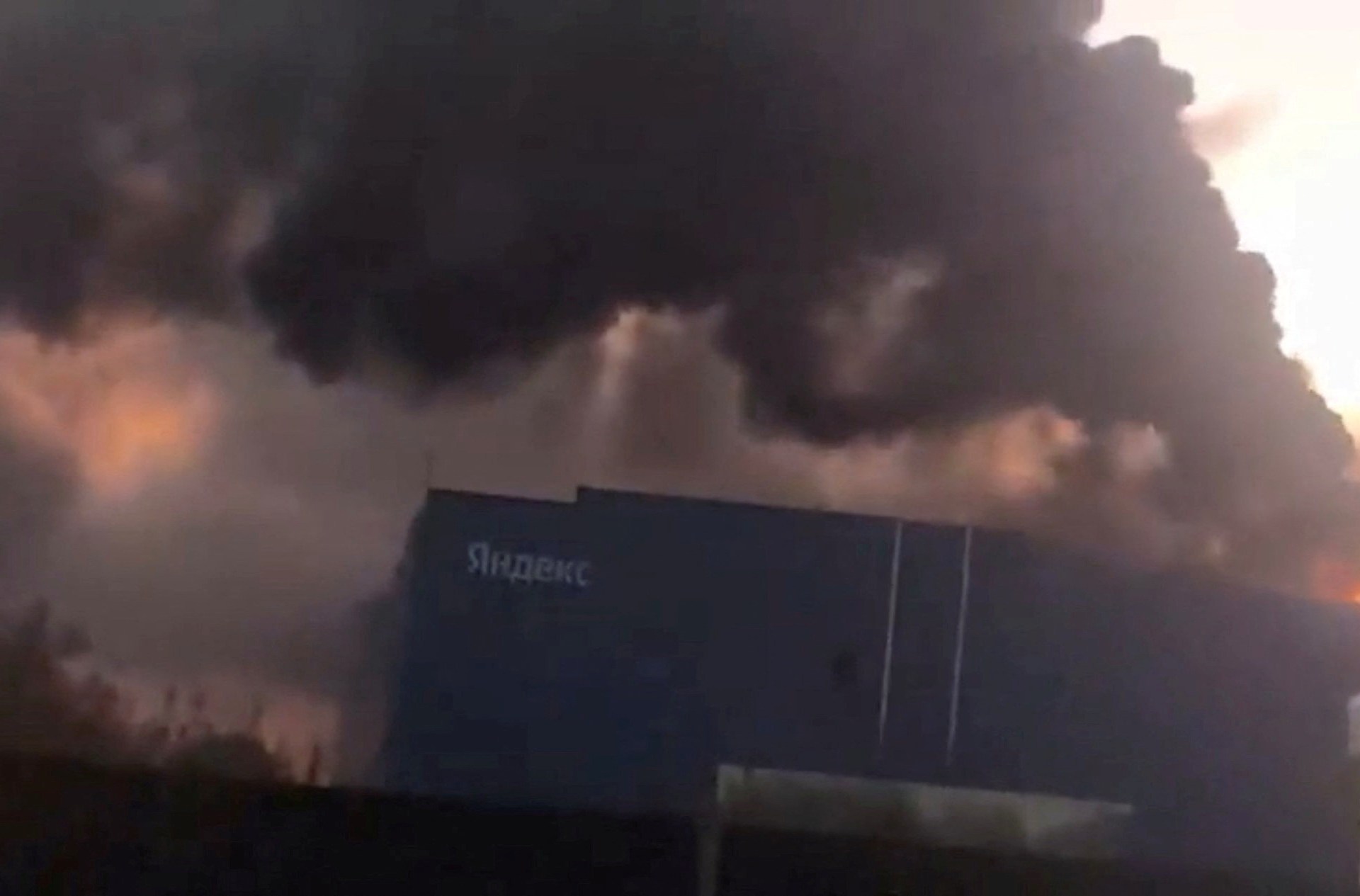
The ongoing conflict between the Russian Federation and Ukraine has entered a critical new phase, characterized by systematic targeting of high-value technological and digital infrastructure. On Tuesday, Russian technology conglomerate Yandex confirmed that its primary data centre facility located in the historic city of Vladimir, approximately 180 kilometres east of Moscow, was forced to shut down operations following an overnight drone strike. This incident marks the third verified attack on Yandex-operated facilities within the span of a single week, underscoring a sharp strategic pivot by Ukrainian forces toward disabling Russia's domestic digital backbone.
The strike on the Vladimir facility is particularly significant given its role in processing vast quantities of enterprise data, regional search queries, and cloud-based commercial services. Intelligence analysts note that while previous aerial campaigns focused primarily on oil refineries, electrical substations, and military logistics hubs, the modern battlefield now encompasses civilian-commercial digital architecture. The deliberate targeting of data storage and processing nodes aims to disrupt internal communications, strain state administration, and challenge the illusion of technological invincibility within the Russian heartland.
Global Trade & Economic Ripples
The weaponization of cloud infrastructure and data processing centres carries profound implications for global trade, digital commerce, and international supply chains. Modern multinational enterprises operating within Eurasia rely heavily on resilient, uninterrupted data flows for inventory tracking, logistics management, and financial settlements. As critical nodes like the Yandex Vladimir facility experience forced outages, downstream commercial disruptions cascade across multiple sectors, including retail logistics, automated manufacturing, and fintech platforms.
Furthermore, the escalating frequency of physical strikes on vital technology assets introduces unprecedented risk premiums for foreign investors and technology providers operating across Eastern Europe. Insurance underwriters are rapidly reassessing the risk profiles of commercial infrastructure in the region, driving up operational costs. While direct impacts on global energy commodities such as oil and natural gas remain secondary to these immediate tech shocks, the broader convergence of cyber warfare and physical destruction threatens to destabilize global technology equity markets and supply chains for semiconductor components required for server restoration.
Related Intelligence: Middle East Conflict Threatens Global Energy Security and Trade Routes
International Reactions & Diplomatic Stances
International bodies and diplomatic quarters have responded to the widening scope of infrastructure warfare with mounting concern. Officials at the United Nations have repeatedly emphasized that civilian infrastructure—including commercial data centres and digital networks—must remain protected under international humanitarian law, regardless of their dual-use potential by state actors. However, neither Moscow nor Kyiv has signaled a willingness to de-escalate the tit-for-tat aerial campaigns.
Market analysts and geopolitical risk consultancies point out that Western governments, which provide substantial military and intelligence assistance to Ukraine, find themselves navigating a delicate diplomatic tightrope. While allied capitals support Ukraine's right to degrade Russian military capabilities, the targeting of commercial tech infrastructure raises complex questions regarding global cybersecurity norms and the protection of international commercial data repositories. Industry leaders have called for urgent multilateral dialogues to establish clearer boundaries preventing the normalization of strikes against civilian data hubs.
Strategic Outlook & Future Scenarios
Looking ahead, the vulnerability of data centres like the facility in Vladimir suggests that technological resilience will become a paramount national security priority for Moscow. Russian authorities are expected to accelerate the militarization and physical fortification of critical IT infrastructure, potentially deploying advanced localized electronic warfare systems and reinforced air defense batteries around major server farms.
For global markets, this trajectory signals an era of heightened volatility where digital assets are just as vulnerable to geopolitical conflict as physical shipping lanes and energy pipelines. As upcoming international summits address global cybersecurity and the rules of engagement in modern warfare, the physical destruction of commercial cloud and data facilities will likely serve as a primary case study for the urgent need to safeguard the foundational architecture of the global digital economy.
Join Our Official WhatsApp Channel
Receive live commodity alerts, policy changes, and commercial intelligence directly on WhatsApp.