
White House Revokes Media Credentials Raising US Policy Transparency Concerns
The White House revoked press credentials for reporters from major news organizations, escalating friction over executive accountability and triggering broader concerns regarding policy transparency across global financial and commodity markets.
Geopolitical & Core Developments
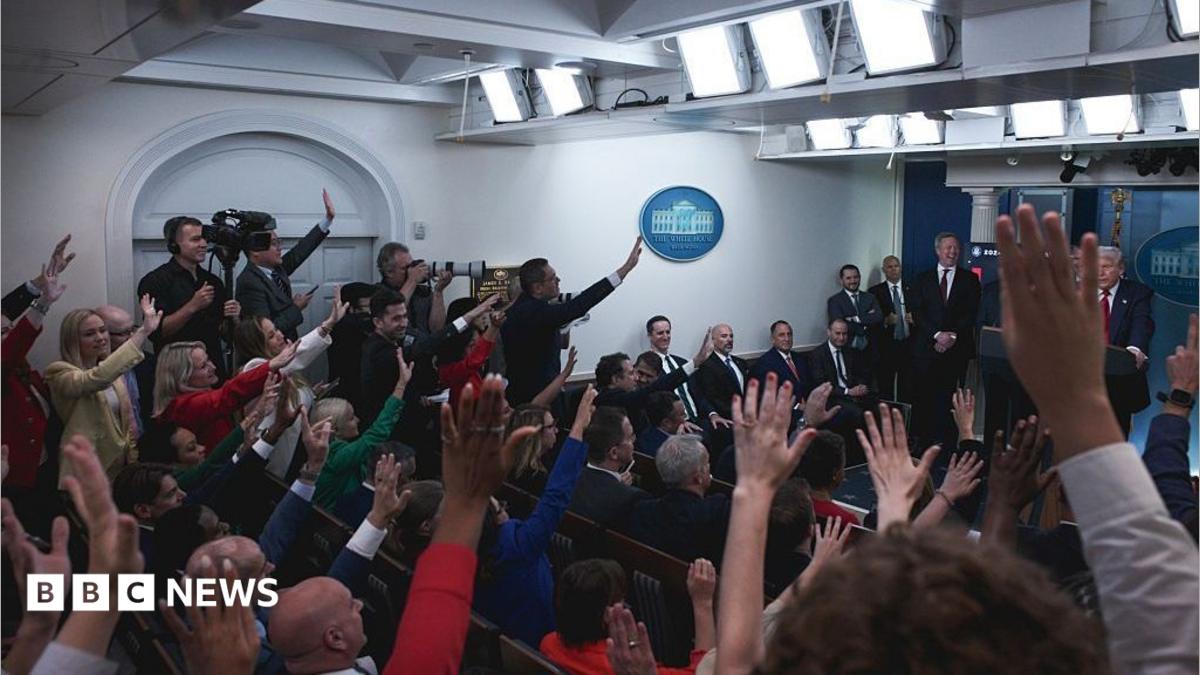
Tensions between the executive branch and established media organizations escalated sharply following reports that press badges were confiscated from credentialed correspondents representing CNN, Politico, and MS NOW. The move marks a dramatic shift in traditional access protocols at the White House complex, restricting physical entry to critical press briefings and executive events. The decision, executed by administration officials, signals an aggressive recalibration of executive communications, prioritizing state-favored media channels while excluding adversarial legacy outlets that have historically maintained continuous physical oversight of presidential operations.
Historically, White House "hard passes" are administered following rigorous Secret Service security screenings and serve as the logistical backbone of presidential transparency. While prior administrations have intermittently sparred with individual journalists, the systemic revocation of credentials across multiple major newsrooms represents a profound procedural rupture. For sovereign observers, diplomatic missions, and international institutional desks, the maneuver reflects an assertive phase of executive unilateralism. Diplomatic envoys monitor domestic governance norms closely, as institutional friction in Washington often correlates with volatile shifts in external foreign policy postures and erratic decision-making frameworks.
Global Trade & Economic Ripples
Beyond domestic legal and constitutional debates, the erosion of real-time, independent press access carries direct consequences for international trade and financial markets. Modern commodity pricing, sovereign debt valuation, and foreign exchange rates operate on rapid dissemination of policy announcements, trade sanctions, and regulatory shifts emanating from the White House. When access is restricted or concentrated among ideologically aligned platforms, the velocity and impartiality of public information degrade, creating pronounced market inefficiencies and acute information asymmetry.
Global energy trading desks and industrial supply chain operators rely on verbatim, unvarnished access during presidential press pool interactions to parse impromptu statements concerning strategic reserves, maritime transit security, and bilateral tariff threats. The marginalization of established investigative networks introduces an added layer of uncertainty into financial risk models. Analysts note that heightened communication volatility often leads institutional investors to price in wider sovereign risk premiums, elevating volatility indices and dampening direct cross-border capital investment in sectors dependent on predictable regulatory environments.
International Reactions & Diplomatic Stances
The credential cancellations have drawn immediate scrutiny from press defense organizations, multilateral human rights bodies, and international media watchdogs. The Committee to Protect Journalists and Reporters Without Borders issued statements underscoring that access to state leadership is essential for democratic oversight, warning that such measures set a damaging global precedent for authoritarian regimes seeking justification to curb independent reporting.
In diplomatic corridors across Europe and allied G7 capitals, officials have privately voiced apprehension regarding the predictability of American policy communications. While foreign ministries have largely refrained from formal diplomatic censure on domestic access matters, European regulators and transatlantic trade delegates privately acknowledge that opaque White House messaging complicates bilateral coordination on defense procurement, sanctions implementation, and supply chain security frameworks.
Strategic Outlook & Future Scenarios
The trajectory of this confrontation will likely center on federal judicial scrutiny. Previous administrative attempts to strip individual reporter credentials faced rigorous legal challenges under First and Fifth Amendment procedural due process protections, compelling temporary restorations through federal court injunctions. A protracted legal dispute could establish vital legal parameters regarding the executive branch's discretionary authority over public properties and press access standards.
Over the medium term, market participants must adapt to a more fragmented, polarized information ecosystem. If major institutional outlets remain excluded from executive briefings, the global trading community will increasingly rely on fragmented sourcing, heightening the risk of headline-driven market whipsaws. As policy initiatives regarding tariffs, currency stances, and international export controls advance, the operational opacity surrounding White House deliberations is poised to remain a persistent friction point for global commerce and international diplomacy.
Join Our Official WhatsApp Channel
Receive live commodity alerts, policy changes, and commercial intelligence directly on WhatsApp.