
Vatican Reports Normal Recovery for Pope Leo Following Lung Surgery
Pope Leo XIV is recovering normally following surgery to remove a cancerous lung tumor at Rome Gemelli hospital, as international observers evaluate institutional continuity across global faith-based development channels.
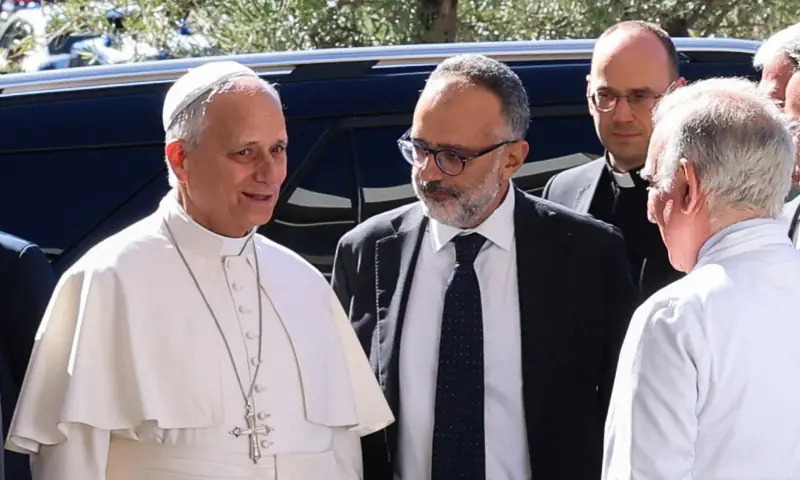
The Core Development
Pope Leo XIV has demonstrated encouraging early recovery indicators following complex thoracic surgery to resect a malignant lesion from his right lung. According to an official medical bulletin issued by the Holy See from Rome’s Gemelli University Hospital, the leader of the world’s 1.4 billion Roman Catholics has resumed ambulation and oral nutrition. Lead attending surgeons Dr. Luigi Carbone and Dr. Stefano Margaritora confirmed that preliminary diagnostic assessments, including comprehensive blood chemistry panels and baseline post-surgical chest radiography, indicate a clinical trajectory consistent with anticipated post-operative parameters.
The surgical intervention involved the targeted excision of a portion of the pontiff's right lung tissue to eliminate a localized cancerous growth. The medical team is currently awaiting comprehensive histopathological and biopsy evaluations to determine whether microscopic dissemination has occurred beyond the primary margin. The Gemelli clinic, renowned as the primary medical facility for papal care, reported that cardiopulmonary variables remain stable, with acute post-operative distress effectively managed under standard clinical protocols.
Commercial & Economic Implications
While the primary event is geopolitical and ecclesiastical, global leadership stability directly impacts international development capital, multilateral charity conduits, and non-governmental social welfare operations. In emerging economies including Pakistan, Catholic relief organisations and affiliated charitable foundations oversee considerable budgets dedicated to primary healthcare, vocational education, disaster response, and rural poverty alleviation. Continuity in the Holy See’s executive apparatus ensures the seamless disbursement of development grants and philanthropic capital across peripheral regions.
Furthermore, institutional uncertainty within global diplomatic institutions often introduces brief friction points across sovereign debt renegotiation appeals and international peace advocacy frameworks, in which the Vatican frequently serves as a neutral mediator. For local commercial networks reliant on institutional donor liquidity, prolonged leadership vacuums can trigger bureaucratic delays in project approvals, affecting supply chain procurement for subsidized educational and medical facilities across urban hubs like Karachi, Lahore, and Rawalpindi.
Related Intelligence: Vatican Stability in Focus Following Pontiff Lung Resection Surgery
Stakeholder Perspectives & Market Reactions
Official statements from the Vatican press office emphasized stability, aiming to calm concerns among sovereign observers and international humanitarian bodies. The diplomatic corps accredited to the Holy See expressed measured optimism, noting that prompt public disclosures regarding the pontiff's mobility and normal metabolic functions mitigate administrative paralysis across central curial offices.
In Pakistan, representatives from denominational welfare boards and community leadership acknowledged the transparency of the medical bulletins. Local administrators noted that Catholic charitable boards, which coordinate private hospital networks and technical schooling initiatives, operate under autonomous statutory mandates, shielding grassroots service provision from immediate administrative disruption. Diplomatic analysts in Islamabad underlined the Vatican's enduring role as an advocate for climate finance adaptation and sovereign debt relief for vulnerable economies, emphasizing the strategic necessity of the pontiff’s active global voice.
Forward Outlook & Key Watchpoints
The immediate focus shifts toward the forthcoming biopsy findings, which will dictate whether adjuvant oncological therapies, such as targeted chemotherapy or localized radiation, are required. Should secondary treatments become necessary, institutional watchpoints will include the delegation of administrative functions across the Secretariat of State and the Dicastery for the Doctrine of the Faith.
Over the coming two to four weeks, observers will monitor the resumption of public audiencing, scheduled overseas bilateral tours, and high-level encyclical releases. Market analysts and international development coordinators will track whether Vatican fiscal agencies maintain regular grant distribution schedules, ensuring that social sector procurement and bilateral development pipelines remain fully insulated from governance realignments in Rome.
Join Our Official WhatsApp Channel
Receive live commodity alerts, policy changes, and commercial intelligence directly on WhatsApp.