
US Offered Enriched Uranium to Iran for Civilian Program, Says Envoy
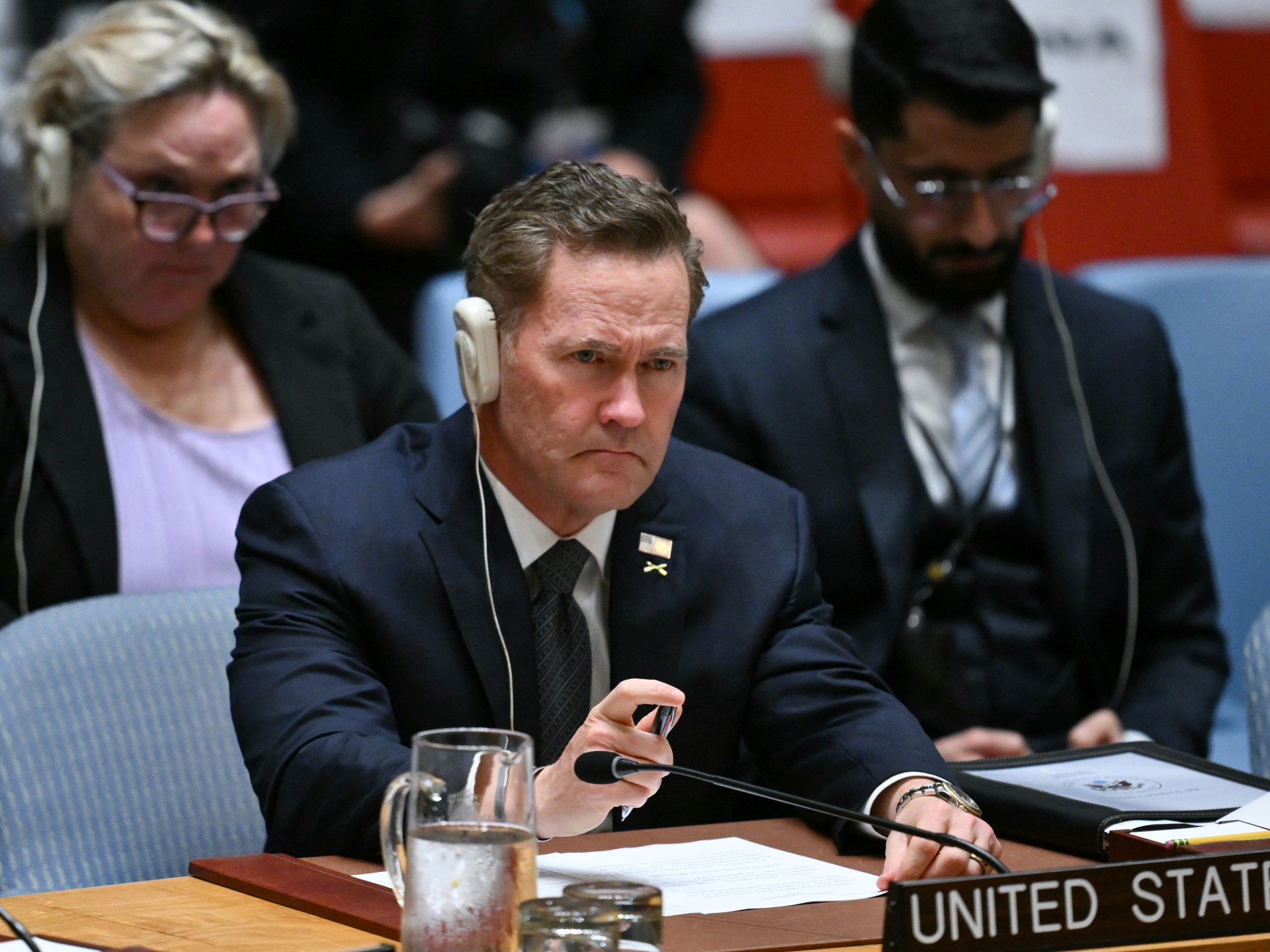
United States Ambassador Mike Waltz revealed that Washington offered to supply Iran with civilian-grade uranium, a proposal flatly rejected by Tehran, heightening geopolitical anxieties across global commodity markets.
Geopolitical & Core Developments
In a significant diplomatic disclosure, United States Ambassador Mike Waltz revealed that Washington previously offered to supply Iran with enriched uranium to sustain its domestic civilian nuclear program. The proposal was designed as a confidence-building measure aimed at curbing indigenous enrichment activities while ensuring that Tehran's energy requirements were met through transparent international channels. However, the overture was summarily rejected by Iranian authorities, who insisted on maintaining independent domestic enrichment capabilities as a matter of national sovereignty and technological advancement.
The diplomatic impasse underscores the deep-seated mistrust that continues to define relations between Washington and Tehran. The core disagreement centers on the nuclear fuel cycle: while Western powers seek to minimize proliferation risks by centralizing uranium enrichment outside of high-risk jurisdictions, Iran views its nuclear infrastructure as an immutable strategic asset. This latest breakdown in backchannel diplomacy highlights the diminishing viability of compromise in resolving the long-standing nuclear dispute, setting the stage for renewed diplomatic friction and heightened strategic posture in the Persian Gulf.
Global Trade & Economic Ripples
Developments regarding Iran's nuclear trajectory carry immediate implications for global commodity markets, particularly international energy corridors and crude oil pricing benchmarks. Any escalation in diplomatic tensions or the re-imposition of severe secondary sanctions directly threatens Iranian oil exports, which currently navigate complex shadow shipping networks to reach key Asian buyers, notably China. A sudden tightening of enforcement on these maritime supply chains could remove hundreds of thousands of barrels per day from the global market, triggering acute supply volatility.
Beyond crude oil, the persistence of geopolitical instability in the Middle East influences broader investor sentiment across shipping lanes and international trade finance. Insurance premiums for commercial vessels transiting the Strait of Hormuz—through which a significant portion of the world's liquefied natural gas and petroleum passes—remain highly sensitive to regional posturing. Commodity traders and multinational corporations are increasingly pricing in the risk of maritime disruptions, driving up logistics costs and exerting upward pressure on industrial input prices worldwide.
Related Intelligence: Strait of Hormuz Tensions Escalate as US-Iran Diplomacy Stalls
International Reactions & Diplomatic Stances
International response to the revealed proposal has laid bare the complex divisions within multilateral diplomatic bodies. European signatories to the 2015 nuclear accord have expressed regret over the missed diplomatic opening, reiterating their commitment to a negotiated settlement while urging restraint from both Washington and Tehran. Meanwhile, regional powers in the Middle East, including Gulf Cooperation Council member states, are closely monitoring the diplomatic breakdown, expressing persistent concerns regarding the security implications of advanced nuclear enrichment programs in their immediate vicinity.
Market analysts and intelligence bodies note that the failure of this initiative signals a hardening of positions ahead of upcoming international summits. The International Atomic Energy Agency continues to emphasize the necessity of unimpeded inspector access and transparent dialogue, warning that the narrowing window for diplomatic engagement increases the probability of miscalculation in a volatile regional environment.
Strategic Outlook & Future Scenarios
Looking ahead, the collapse of this proposed arrangement paves the way for a more adversarial trajectory in international diplomacy. Washington and its allies are widely anticipated to pursue tighter economic sanctions and heightened diplomatic isolation of Tehran, focusing on curbing illicit petroleum shipments and financial transactions. Conversely, Iranian leadership may respond by accelerating its domestic nuclear milestones, thereby reducing the theoretical breakout time for weapons-grade material and escalating regional security dilemmas.
For global traders and geopolitical risk strategists, the immediate future demands rigorous contingency planning. Key monitoring points include upcoming meetings of the UN Security Council, potential tightening of maritime enforcement by naval coalitions, and any shift in posture from major Asian energy importers. As diplomatic channels narrow, the risk premium embedded in global commodity markets is expected to remain elevated.
Join Our Official WhatsApp Channel
Receive live commodity alerts, policy changes, and commercial intelligence directly on WhatsApp.