
Strait of Hormuz Tensions Escalate as US-Iran Diplomacy Stalls
Renewed geopolitical friction in the Persian Gulf threatens critical energy corridors after the US rejects a diplomatic framework with Iran.
Geopolitical & Core Developments
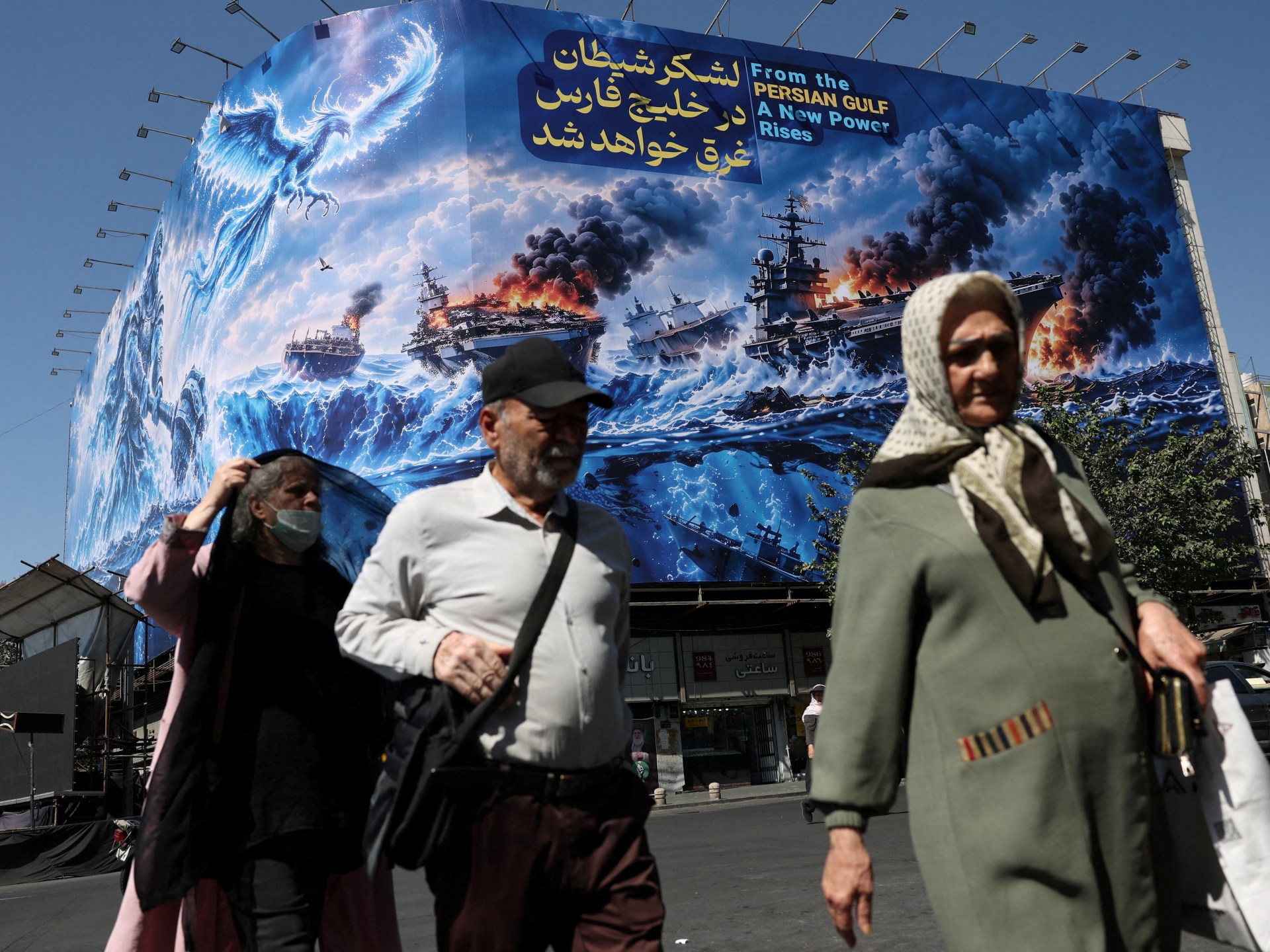
Tensions across the Persian Gulf have intensified sharply following the formal rejection by United States President Donald Trump of a proposed diplomatic arrangement with Iran. The diplomatic breakdown has effectively reset bilateral relations to a posture of acute confrontation, dismantling months of delicate backchannel negotiations mediated by regional intermediaries. At the heart of the standoff lies the strategic Strait of Hormuz, a narrow maritime choke point through which a vast share of the world's petroleum passes daily.
State actors on both sides have adopted increasingly uncompromising rhetoric. Washington has reinforced its regional military posture, signaling zero tolerance for Iranian maritime harassment or proxy disruptions. Conversely, Tehran has indicated it will not bow to maximum pressure policies, raising concerns over naval posture adjustments within territorial waters. The breakdown of talks has eliminated immediate diplomatic off-ramps, leaving military planners and intelligence agencies bracing for potential miscalculations in one of the world's most heavily militarized zones.
Global Trade & Economic Ripples
The immediate commercial casualty of the diplomatic impasse is stability in global commodity markets. International crude oil benchmarks experienced immediate upward pressure as traders priced in a heightened risk premium for Middle Eastern energy supplies. Because roughly one-fifth of global petroleum consumption traverses the Strait of Hormuz, any credible threat of a naval blockade or kinetic conflict sends immediate shockwaves through international supply chains.
Shipping and logistics firms operating in the region are already revising risk assessments, leading to surging marine war-risk insurance premiums for tankers navigating the Persian Gulf. Higher freight and insurance costs threaten to feed broader inflationary pressures across major economies reliant on imported hydrocarbons. Furthermore, petrochemical supply chains and liquefied natural gas shipments face potential rerouting or scheduling delays, aggravating industrial input costs in Europe and Asia. Currency markets have similarly reacted, with safe-haven assets appreciating as investors hedge against potential macroeconomic shocks arising from a protracted energy crisis.
Related Intelligence: West Bank Escalation Threatens Middle East Stability and Global Supply Chains
International Reactions & Diplomatic Stances
The breakdown of talks has elicited profound concern from international bodies and foreign ministries worldwide. The United Nations has issued calls for absolute restraint from all parties, emphasizing that any escalation in the Gulf would carry catastrophic humanitarian and economic consequences for the global economy. European capitals, which had previously sought to salvage multilateral diplomatic frameworks with Iran, have expressed deep apprehension over the return of an unmitigated maximum pressure campaign.
Market analysts and geopolitical risk consultancies warn that current positioning leaves little room for error. Energy market observers note that commercial operators are no longer treating the heightened threat environment as a temporary rhetorical flashpoint, but rather as a structural risk factor requiring long-term portfolio adjustments and diversified supply procurement strategies.
Strategic Outlook & Future Scenarios
Looking ahead, the trajectory of US-Iran relations points toward sustained friction with a high probability of tactical escalation. Observers are closely monitoring upcoming naval exercises, regional proxy activities, and potential new tranches of unilateral economic sanctions from Washington designed to choke off remaining Iranian petroleum exports.
Without a viable diplomatic track, the risk profile of the Strait of Hormuz will remain elevated well into the medium term. Multinational corporations and energy conglomerates must prepare for persistent volatility, navigating a landscape where geopolitical posturing directly dictates commodity pricing and maritime security parameters.
Join Our Official WhatsApp Channel
Receive live commodity alerts, policy changes, and commercial intelligence directly on WhatsApp.