
US Concludes Two-Decade Military Presence in Iraq
The Pentagon has announced the formal conclusion of the US military withdrawal from Iraq, closing a twenty-year chapter of Western intervention and shifting bilateral engagement toward commercial and diplomatic cooperation.
Geopolitical & Core Developments
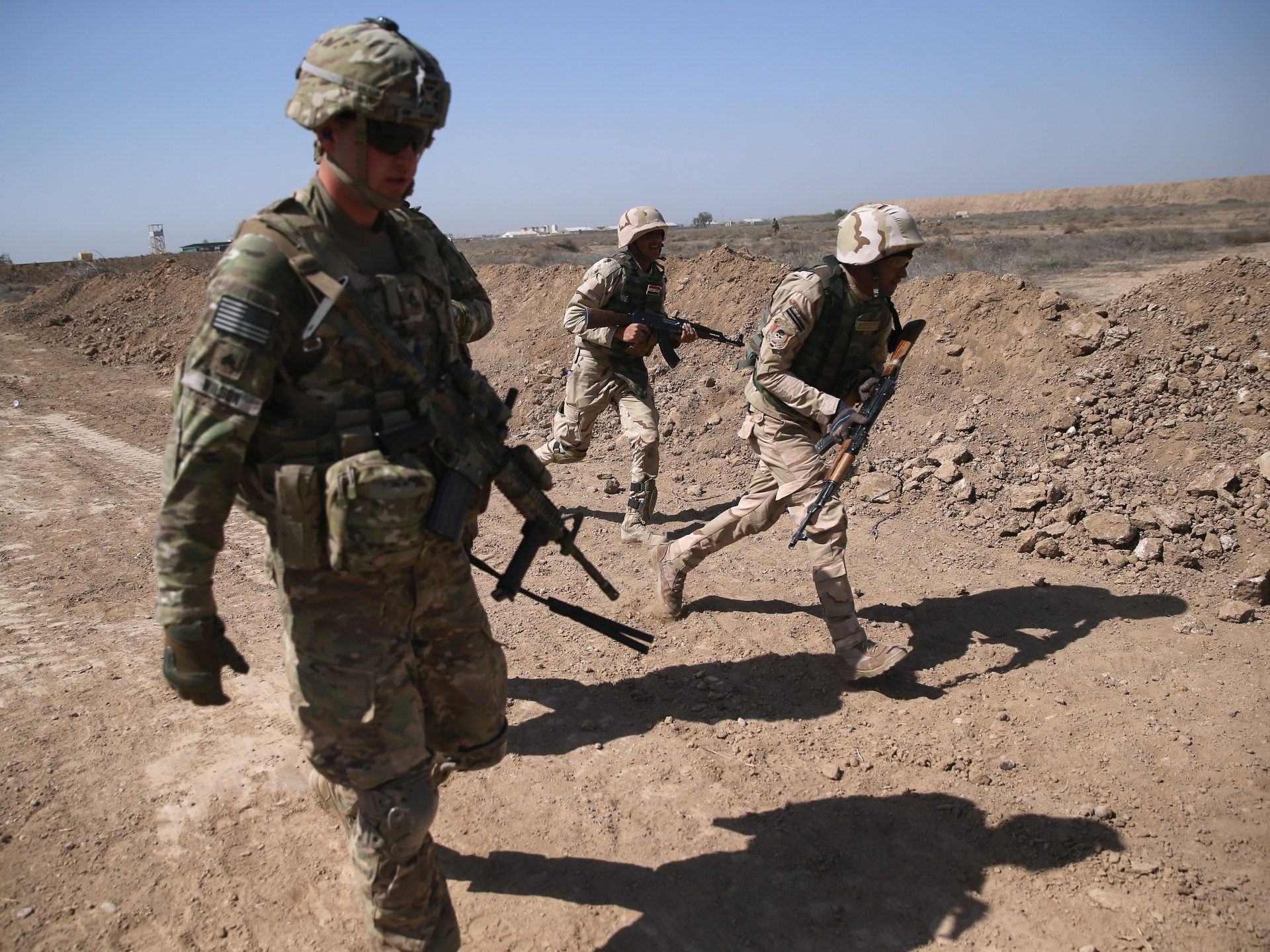
The Pentagon has officially announced the completion of the United States military withdrawal from Iraq, marking the definitive end of a foreign intervention era that commenced with the 2003 invasion and subsequently evolved into the global campaign against ISIL. Over the past two decades, the coalition footprint shifted from heavy combat operations to an advisory and training mandate supporting Iraqi security forces. This final phase of drawdown has been meticulously coordinated through bilateral military committees, reflecting a mutual desire by Washington and Baghdad to transition the relationship from a security-centric footprint to a normalized diplomatic, intelligence-sharing, and economic partnership.
The closure of major operating bases and the departure of remaining combat-enabling personnel signify a fundamental realignment of American strategic posture in the Middle East. While Washington retains overarching diplomatic engagement through its embassy in Baghdad and consulate in Erbil, the removal of boots on the ground alters the local balance of power. Neighboring regional actors, particularly Iran, are closely monitoring the security vacuum, while domestic Iraqi factions navigate the complex challenge of maintaining internal stability and countering persistent asymmetric threats without direct foreign military backing.
Global Trade & Economic Ripples
For global commodity markets and international shipping lanes, the completion of the US military exit carries profound implications for investor confidence and energy security in the Persian Gulf corridor. Iraq remains an indispensable pillar of the Organization of the Petroleum Exporting Countries (OPEC), consistently producing over four million barrels of crude oil per day. Global energy traders have maintained a vigilant watch over the transition, pricing in potential geopolitical risk premiums associated with domestic political volatility and security adjustments in southern oilfields and northern export pipelines.
International logistics firms and foreign direct investors are assessing whether the withdrawal will foster a more stable commercial environment or introduce new vulnerabilities. Stability in Iraq is vital for broader Middle Eastern trade corridors connecting the Gulf states to European and Asian markets. While physical oil infrastructure has largely remained insulated from major disruptions during the phased drawdown, any localized security deterioration could influence international Brent crude benchmarks, marine freight insurance rates, and foreign capital inflows into Iraq's expanding reconstruction and infrastructure sectors.
International Reactions & Diplomatic Stances
Multilateral bodies and regional capitals have responded to the withdrawal with a mixture of cautious optimism and diplomatic pragmatism. United Nations representatives emphasized the importance of sustained international support for Iraq's institutional reforms, economic diversification, and human rights initiatives as the country enters a new phase of national sovereignty. European Union officials underscored their commitment to supporting civilian capacity-building programs and governance projects designed to bolster state resilience.
Regional stakeholders have articulated varying perspectives. Gulf Cooperation Council members have expressed a desire to integrate Iraq more deeply into regional economic frameworks, energy grids, and trade initiatives to anchor the nation within a stable multilateral architecture. Meanwhile, international market analysts and risk intelligence firms note that foreign corporations are recalibrating their operational risk assessments, signaling that future engagement in Iraq will hinge heavily on the capability of local security forces to maintain law and order.
Strategic Outlook & Future Scenarios
Looking ahead, the strategic trajectory of Iraq will depend on the government's ability to consolidate internal security, manage sectarian dynamics, and execute critical economic reforms. Upcoming bilateral summits between Washington and Iraqi leadership are expected to focus on expanding non-oil trade, private sector investment in energy infrastructure, and technological cooperation. However, persistent geopolitical rivalries in the region present ongoing challenges that could test the durability of the post-withdrawal framework.
Sanctions compliance, regional diplomacy, and the management of critical supply chains will remain central to the foreign policy of Baghdad. As global commodity markets adapt to a post-intervention Middle East, international investors will closely evaluate whether Iraq can leverage its vast natural resource wealth to secure long-term macroeconomic stability and integrate further into the global economy.
Join Our Official WhatsApp Channel
Receive live commodity alerts, policy changes, and commercial intelligence directly on WhatsApp.