
UN Warns US Anti-Drug Strikes May Constitute Crimes Against Humanity
A scathing United Nations report accuses the United States of potential crimes against humanity over at least 68 kinetic strikes on alleged drug boats.
Geopolitical & Core Developments
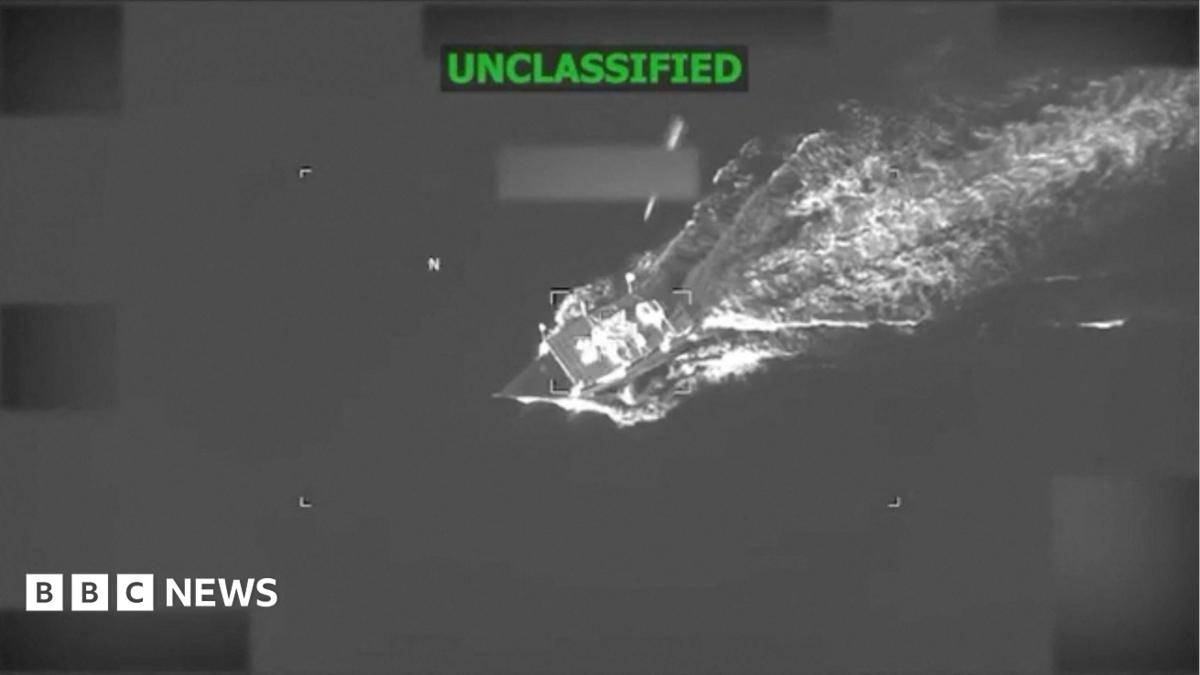
A comprehensive international inquiry has released alarming findings regarding United States military operations targeting alleged drug-smuggling vessels in international waters. According to the report, at least 68 separate strikes conducted by US forces fail to meet the strict legal thresholds required for self-defense under international humanitarian law. The document details a systematic pattern of kinetic interventions executed without due process, raising profound questions about the adherence of major powers to established maritime norms and the rules of engagement beyond national jurisdictions.
For decades, counter-narcotics operations have operated in a complex legal gray zone, often blending law enforcement mandates with military capabilities. However, this UN assessment signals a sharp departure from tacit international tolerance. By characterizing these high-seas actions as potential crimes against humanity, investigators have elevated low-intensity maritime interdiction into the upper echelons of international criminal law. The strategic stakes are immense, challenging the operational doctrines of the US military and forcing partner nations to re-evaluate their intelligence-sharing and logistical support for unilateral interdiction campaigns.
Global Trade & Economic Ripples
While the primary focus of the UN report remains centered on human rights and international law, the commercial implications for global trade and maritime logistics are substantial. Maritime chokepoints and transit corridors where counter-narcotics operations frequently concentrate are vital arteries for international commerce. An escalation in legal scrutiny and potential diplomatic friction in these zones introduces operational uncertainty for commercial shipping lanes, containerized cargo, and bulk commodity carriers.
Furthermore, heightened militarization of international waterways inevitably impacts maritime insurance premiums and risk assessments. Global commodity markets—particularly those sensitive to disruptions in the Caribbean basin, the Eastern Pacific, and adjacent shipping lanes—must now factor in the geopolitical fallout of protracted legal disputes between Washington and multilateral bodies. Any subsequent policy shifts or operational rollbacks by the US Navy and Coast Guard could alter regional security dynamics, indirectly influencing the secure flow of energy supplies, agricultural commodities, and manufactured goods across hemispheric trade routes.
Related Intelligence: Lahore High Court Challenges Detention of Imran Khan Sisters
International Reactions & Diplomatic Stances
The release of the report has triggered a cascade of diplomatic maneuvers across multilateral forums. Officials at United Nations headquarters in New York emphasized that state-sponsored use of lethal force must remain strictly subordinate to international human rights standards, regardless of the gravity of transnational narcotics trafficking. Human rights organizations have amplified these calls, demanding immediate transparency, independent judicial oversight, and a complete cessation of kinetic strikes that bypass judicial frameworks.
Conversely, defense and security establishments in Washington have defended the operations as vital components of national security aimed at dismantling heavily armed transnational criminal cartels that destabilize regional governance. However, traditional European allies and Latin American partner states have expressed growing unease. Several governments have signaled that continued unconditional cooperation with US-led maritime task forces will depend on strict adherence to international legal norms, creating potential diplomatic fault lines within Western security architecture.
Strategic Outlook & Future Scenarios
As this controversy unfolds, the trajectory of international maritime security hangs in the balance. Upcoming diplomatic summits and legal debates at the United Nations General Assembly will likely serve as battlegrounds for competing interpretations of state sovereignty, self-defense, and the limits of extraterritorial military action.
In the near term, the US administration faces mounting pressure from domestic lawmakers and international jurists to modify its rules of engagement. Failure to adapt could result in formal censure, targeted sanctions against participating operational commanders, or protracted litigation before the International Court of Justice. For global supply chain operators and commodity traders, monitoring these diplomatic developments is essential to anticipating regulatory shifts, naval posture adjustments, and potential security bottlenecks in critical maritime trade routes.
Join Our Official WhatsApp Channel
Receive live commodity alerts, policy changes, and commercial intelligence directly on WhatsApp.