
UN Chief Guterres Set for High-Level Pakistan Visit
United Nations Secretary-General Antonio Guterres will visit Pakistan from October 6 to 8 to engage with leadership on multilateralism, regional security, and climate resilience ahead of his departure.
The Core Development
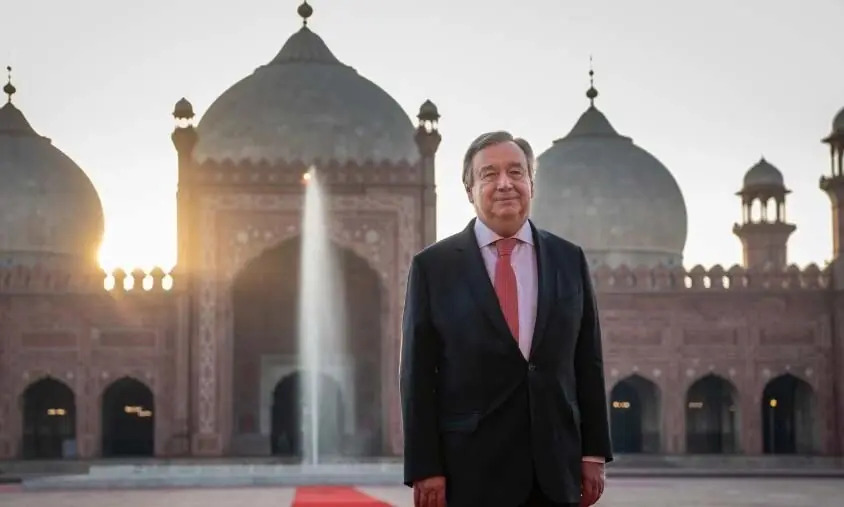
United Nations Secretary-General Antonio Guterres is scheduled to undertake a high-profile official visit to Pakistan from October 6 to 8, according to formal announcements from the Foreign Office (FO) in Islamabad. This diplomatic mission holds profound significance as it coincides with the concluding months of Guterres's decade-long tenure as the UN chief, which is officially set to terminate on December 31. The visit is structured to underscore Islamabad's enduring contributions to international diplomacy, multilateral cooperation, and global peace.
During his stay in the federal capital, Guterres is slated to hold intensive consultations with the country's top civilian and military hierarchy. His itinerary features high-level meetings with President Asif Ali Zardari, Prime Minister Shehbaz Sharif, and Deputy Prime Minister cum Foreign Minister Ishaq Dar. In a notable reflection of civil-military coordination in national security and foreign policy, the UN Secretary-General is also scheduled to confer with Chief of Defence Forces and Chief of the Army Staff Field Marshal Asim Munir.
Beyond formal state meetings in Islamabad, Guterres's agenda incorporates critical institutional visits. He will inspect the headquarters of the UN Military Observer Group in India and Pakistan (UNMOGIP), reaffirming the global body's commitment to monitoring the Line of Control. Furthermore, the UN chief will receive a comprehensive operational briefing at the National Disaster Management Authority (NDMA) headquarters, focusing on Pakistan's climate vulnerabilities, post-flood rehabilitation frameworks, and national disaster preparedness.
Commercial & Economic Implications
While ostensibly a diplomatic and strategic engagement, the visit carries considerable weight for Pakistan's broader macroeconomic stability, investor confidence, and commercial landscape. Multilateral cooperation is inextricably linked to foreign direct investment (FDI) inflows, international credit ratings, and sovereign debt management. Enhanced diplomatic alignment with the United Nations reinforces Pakistan's standing within international financial forums, potentially easing external financing constraints that directly impact domestic inflation, wholesale distribution costs, and retail market liquidity.
Furthermore, the discussions centered at the National Disaster Management Authority carry profound implications for commercial supply chains and agricultural markets across Pakistan. Climate-induced shocks historically devastate staple crop yields, driving up food inflation, destabilizing grain distribution networks, and inflicting severe losses on the retail trade sector. A reinforced partnership with the UN framework facilitates concessional climate financing, international grants, and technical assistance aimed at safeguarding agricultural supply chains, mitigating inflationary spikes, and stabilizing consumer purchasing power in urban and rural commercial hubs.
Related Intelligence: Samoan Prime Minister Issues Public Apology Following Historical Nazi Salute Disclosure
Stakeholder Perspectives & Market Reactions
Business councils, corporate leaders, and trade associations have expressed cautious optimism regarding the diplomatic overtures. Stakeholders across the manufacturing and export sectors view high-level international engagements as vital for maintaining preferential trade statuses, such as the European Union's GSP Plus scheme, which relies heavily on compliance with international conventions monitored through UN frameworks. Industrial bodies emphasize that policy stability and robust diplomatic ties are prerequisites for restoring business confidence and stimulating private sector investment.
Legal and policy analysts point out that Guterres's visit provides an opportune platform for Islamabad to reiterate its commitment to international humanitarian norms and sustainable development goals (SDGs). Public response, while muted against daily economic pressures, remains supportive of initiatives that attract global development capital and strengthen institutional resilience against external economic shocks.
Forward Outlook & Key Watchpoints
As the diplomatic countdown to October 6 begins, policymakers and market participants are closely monitoring several key deliverables. Key watchpoints include potential announcements regarding international climate adaptation funding, technical frameworks for disaster risk reduction, and joint initiatives supporting sustainable economic growth. The outcomes of these high-level deliberations are expected to shape Pakistan's foreign policy trajectory and economic diplomacy roadmap as the nation navigates complex structural reforms through the final quarter of the fiscal year.
Join Our Official WhatsApp Channel
Receive live commodity alerts, policy changes, and commercial intelligence directly on WhatsApp.