
Ukraine Accuses SpaceX of Throttling Starlink Amid Escalating Drone Strikes
Ukrainian officials allege SpaceX throttled Starlink satellite terminals, degrading frontline air-defense coordination against Russian drone swarms following consecutive nights of heavy ballistic missile strikes across Kyiv.
Geopolitical & Core Developments
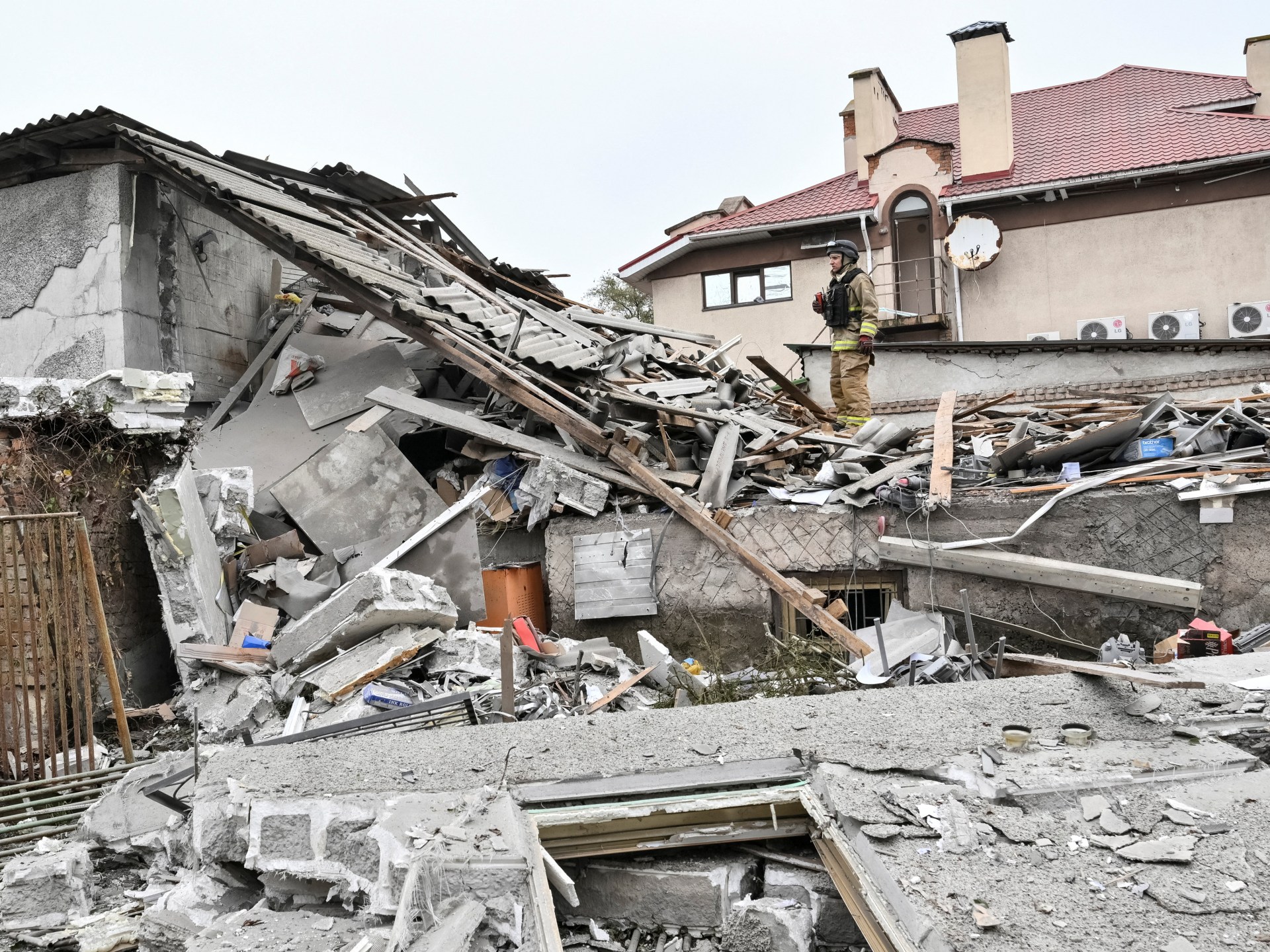
Tensions between Kyiv and Elon Musk’s aerospace conglomerate, SpaceX, escalated dramatically this week as Ukrainian defense officials alleged deliberate throttling of Starlink satellite communication terminals across critical combat sectors. The operational degradation coincided with a second consecutive night of intensive Russian ballistic missile and Shahed drone strikes targeting Kyiv and surrounding energy infrastructure. Ukrainian military commanders reported erratic bandwidth and localized blackouts, which severely degraded their tactical data links and impaired automated interception systems deployed against low-flying aerial threats.
Starlink has served as the backbone of Ukraine’s battlefield communications, secure command architectures, and remote unmanned aerial vehicle (UAV) operations since Russia launched its full-scale invasion in 2022. While SpaceX previously acknowledged geofencing its network to prevent offensive long-range drone strikes beyond sovereign Ukrainian borders, this latest disruption allegedly affected defensive interception grids within government-controlled territory. Neither SpaceX nor Musk has issued an operational statement confirming technical anomalies or intentional bandwidth caps, leaving defense planners in Kyiv scrambling for redundant satellite communications across contested airspace.
[Global Trade](/news/yemen-war-scenarios-houthi-red-sea-trade-impact) & Economic Ripples
The reliance of sovereign militaries on commercial low-Earth orbit (LEO) constellations has raised critical concerns across global defense-tech supply chains and satellite infrastructure markets. Institutional investors and defense procurement agencies in Europe and the Indo-Pacific are reassessing reliance on US-based commercial dual-use technologies. The incident is accelerating state-sponsored capital allocations toward sovereign space architectures, notably the European Union’s proposed IRIS² constellation, designed to bypass private sector operational vetoes.
Simultaneously, the disruption highlights the persistent vulnerability of Black Sea logistics and agricultural export corridors. Ukraine’s Danube and maritime grain ports rely heavily on Starlink-linked air-defense radar systems to safeguard commercial freighters from Russian precision munitions. Any systemic compromise in target-tracking reliability heightens maritime war-risk insurance premiums, threatening to introduce fresh volatility into global grain futures, specifically soft wheat and corn traded across European and Middle Eastern commodity exchanges.
Related Intelligence: Pakistan and Oman Deepen Strategic Ties Amid Rising Middle East Tensions
International Reactions & Diplomatic Stances
European defense ministries voiced deep concern regarding the reported disruptions, emphasizing that sovereign defense capabilities must not be subjected to the unilateral decisions of corporate executives. Diplomatic sources in Brussels indicated that several NATO members are accelerating consultations with alternative commercial providers, including Eutelsat OneWeb and Telesat, to diversify battlefield connectivity for eastern flank operations.
In Washington, defense analysts and lawmakers raised questions regarding the oversight of commercial entities fulfilling critical defense department contracts. While the Pentagon maintains direct contracts with SpaceX for dedicated 'Starshield' defense-grade terminals, ambiguity persists over standard Starlink operational governance in active theater environments. Multilateral defense watchdogs warned that unilateral service modifications during combat conditions expose state actors to extreme geopolitical hazards.
Strategic Outlook & Future Scenarios
The immediate trajectory points toward an intensified push by Kyiv and its Western allies to de-risk defense communications. Ukrainian forces are expected to accelerate deployment of hybrid electronic systems, integrating short-range terrestrial microwave links and alternative commercial satcom providers to safeguard frontline drone-jamming units.
Over the medium term, the incident will serve as a definitive case study in modern asymmetric warfare, driving national defense budgets to prioritize strictly sovereign, state-controlled satellite constellations over unregulated commercial dual-use solutions. If Russian forces continue leveraging these communication lapses to execute successful multi-vector missile barrages, diplomatic friction between Washington, European capitals, and private aerospace firms will inevitably intensify.
Join Our Official WhatsApp Channel
Receive live commodity alerts, policy changes, and commercial intelligence directly on WhatsApp.