
UK Consular Crisis in Jerusalem Escalates Geopolitical Tensions
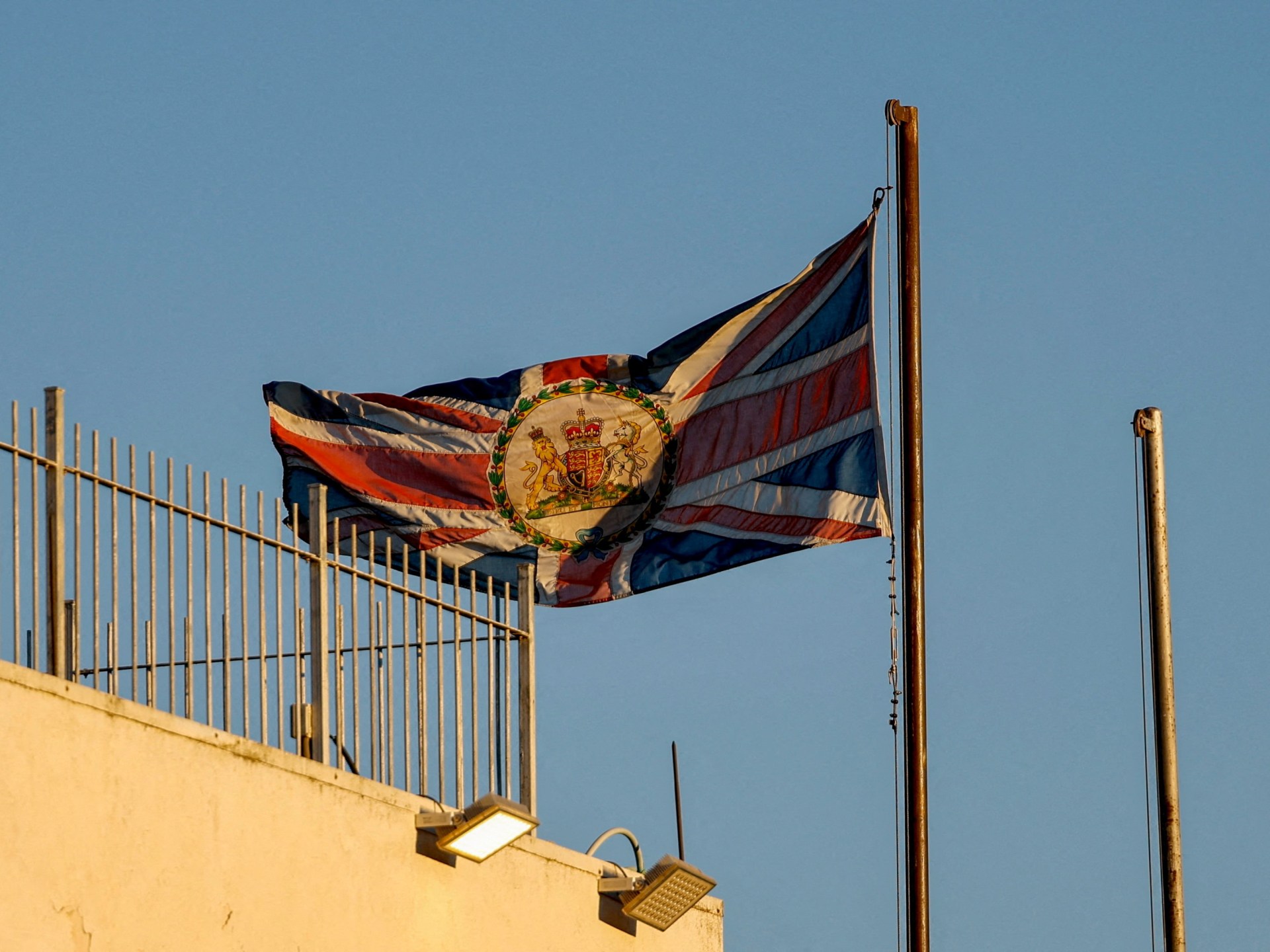
The removal of signage at the UK consulate in East Jerusalem marks a critical escalation in diplomatic tensions following an Israeli closure order.
Geopolitical & Core Developments
The removal of official signage at the British consulate in occupied East Jerusalem marks the culmination of a tense thirty-day ultimatum issued by Israel's Foreign Ministry. This drastic diplomatic maneuver underscores a deepening schism between traditional allies over the legal and political status of Jerusalem. The initial directive, delivered a month prior, challenged the operational legitimacy of foreign diplomatic missions handling Palestinian affairs within the contested municipality. State actors in London have consistently maintained that the consulate operates under long-standing international conventions, viewing the Israeli enforcement action as an unprecedented breach of diplomatic norms. The timeline of this standoff highlights a deteriorating environment for foreign missions operating in the territory, raising fundamental questions about diplomatic immunity, consular access, and the future framework of bilateral relations in the region.
Global Trade & Economic Ripples
While direct commercial disruptions remain localized, heightened geopolitical instability in the Levant invariably injects volatility into global commodity markets and investor sentiment. Shipping lanes through the eastern Mediterranean and broader Middle Eastern logistics hubs are closely monitored by international trade analysts for any spillover effects that could impact regional supply chains. Energy markets, highly sensitive to geopolitical realignments in the Middle East, price in cumulative risks whenever diplomatic channels between major Western economies and regional powers fracture. Furthermore, currency valuations for regional trading partners face downward pressure as foreign direct investment slows amid escalating regulatory and diplomatic uncertainty. International businesses operating in the region are re-evaluating risk matrices, factoring in the potential for secondary economic measures or retaliatory trade friction.
Related Intelligence: KP Chief Minister Seeks Governor Impeachment Amid Escalating Political Crisis
International Reactions & Diplomatic Stances
Global bodies and multilateral institutions have expressed profound concern over the unilateral enforcement of the closure order. The United Nations has reiterated its position regarding the status of occupied East Jerusalem, emphasizing that diplomatic missions must be permitted to function without arbitrary interference. European Union foreign policy representatives have engaged in back-channel consultations with both British and Israeli officials to prevent a further deterioration of diplomatic protocols. Market analysts and geopolitical risk consultancies warn that the erosion of established diplomatic frameworks sets a dangerous precedent, potentially emboldening similar actions against other international missions. Official statements from various capitals call for immediate de-escalation, urging adherence to international law and negotiated frameworks to resolve consular disputes.
Strategic Outlook & Future Scenarios
As the thirty-day deadline lapses, the immediate trajectory points toward prolonged diplomatic friction rather than immediate military escalation, though the risk of miscalculation remains elevated. Upcoming international summits and bilateral ministerial meetings will serve as critical pressure points for negotiating a workable compromise or imposing reciprocal diplomatic measures. Analysts suggest that London may weigh proportional responses, ranging from formal diplomatic reprimands to adjustments in bilateral cooperation agreements. Ultimately, this crisis serves as a bellwether for the shifting dynamics of international diplomacy in contested territories, where traditional legal protections face mounting pressure from domestic political imperatives and unilateral state actions.
Join Our Official WhatsApp Channel
Receive live commodity alerts, policy changes, and commercial intelligence directly on WhatsApp.