
UEFA Warns Global Sport Governance Crisis Threatens Commercial Stability
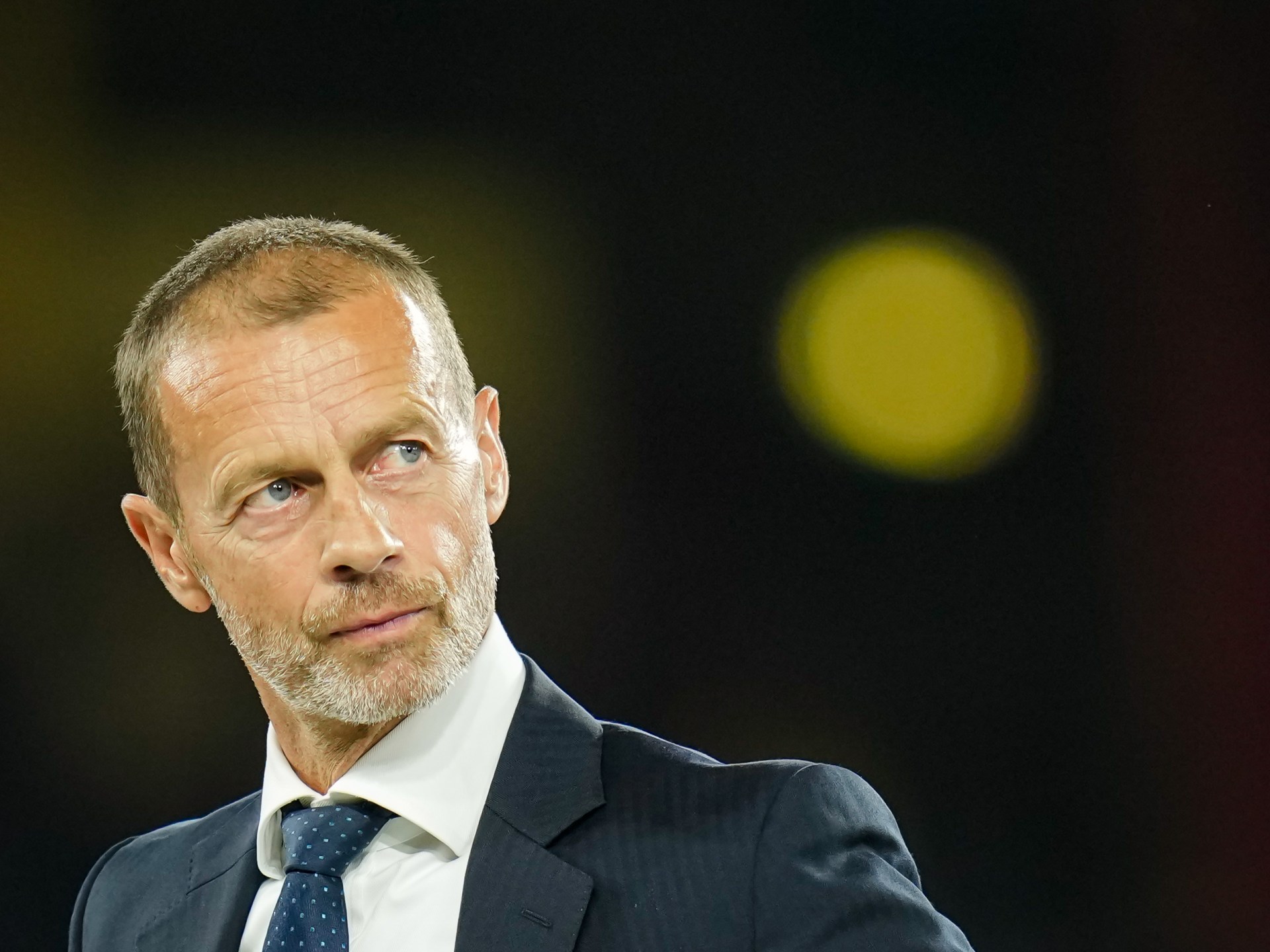
UEFA president Aleksander Ceferin warns that institutional trust with FIFA remains severely compromised following contentious investment disputes, raising broader questions about global sports governance and commercial predictability.
Geopolitical & Core Developments
The deepening institutional rift between European football's governing body, UEFA, and international football's supreme authority, FIFA, has escalated following pointed remarks by UEFA President Aleksander Ceferin. Speaking publicly for the first time since FIFA signaled a review of its internal decision-making structures, Ceferin asserted that foundational trust between the two bodies remains broken. The core of the dispute centers on unilateral investment strategies and governance overreach pursued by FIFA leadership under President Gianni Infantino, which European stakeholders argue undermines established consultative processes. This executive friction transcends mere administrative disagreement, reflecting a broader contest for authority and control over the world's most lucrative sporting ecosystem. Diplomatic channels within international sports federations are currently strained, as regional confederations weigh the implications of centralized financial and regulatory control against traditional multilateral governance frameworks.
[Global Trade](/news/trump-xi-summit-geopolitical-friction-and-global-trade-stakes) & Economic Ripples
While international sporting bodies ostensibly operate outside traditional geopolitical arenas, their multi-billion-dollar commercial footprints intersect directly with global trade, hospitality, broadcasting rights, and corporate sponsorship markets. Persistent regulatory volatility and governance uncertainty at the highest levels introduce substantial risk premiums for institutional investors, multinational brands, and sovereign wealth funds backing major global tournaments. Commercial partners, including major financial institutions, telecommunications giants, and energy conglomerates, rely on predictable regulatory environments to protect asset valuations and maximize return on investment. Prolonged friction between FIFA and UEFA threatens to disrupt sponsorship pipelines, complicate long-term broadcasting negotiations, and introduce volatility into secondary commercial markets that depend on seamless tournament delivery and brand equity stability.
Related Intelligence: Trump-Xi Summit: Geopolitical Friction and Global Trade Stakes
International Reactions & Diplomatic Stances
Global administrative bodies, regional football confederations, and market analysts have expressed growing concern regarding the ongoing governance impasse. While FIFA officials maintain that internal review mechanisms are sufficient to address structural grievances, European delegates and allied commercial stakeholders argue that superficial reforms fail to address systemic accountability deficits. Independent governance watchdogs and institutional investors have called for greater transparency in capital allocation and decision-making processes. Market analysts suggest that prolonged institutional gridlock could accelerate efforts by elite clubs and regional confederations to establish alternative commercial frameworks, effectively decentralizing global sports administration and altering the distribution of economic power within the industry.
Strategic Outlook & Future Scenarios
As international sports diplomacy enters a critical juncture, the trajectory of relations between UEFA and FIFA will depend heavily on upcoming executive congresses and multilateral summits. If institutional reforms fail to restore confidence among major European stakeholders, the risk of structural fragmentation increases significantly. Escalation points may include disputes over international match calendars, commercial revenue sharing, and regulatory compliance for transnational club competitions. For global markets and corporate sponsors, navigating this era of regulatory uncertainty will require rigorous risk assessment, flexible contractual frameworks, and close monitoring of shifting power dynamics within international sports administration.
Join Our Official WhatsApp Channel
Receive live commodity alerts, policy changes, and commercial intelligence directly on WhatsApp.