
Trump Secures Russian Diesel Supply Deal to Stabilize US Markets
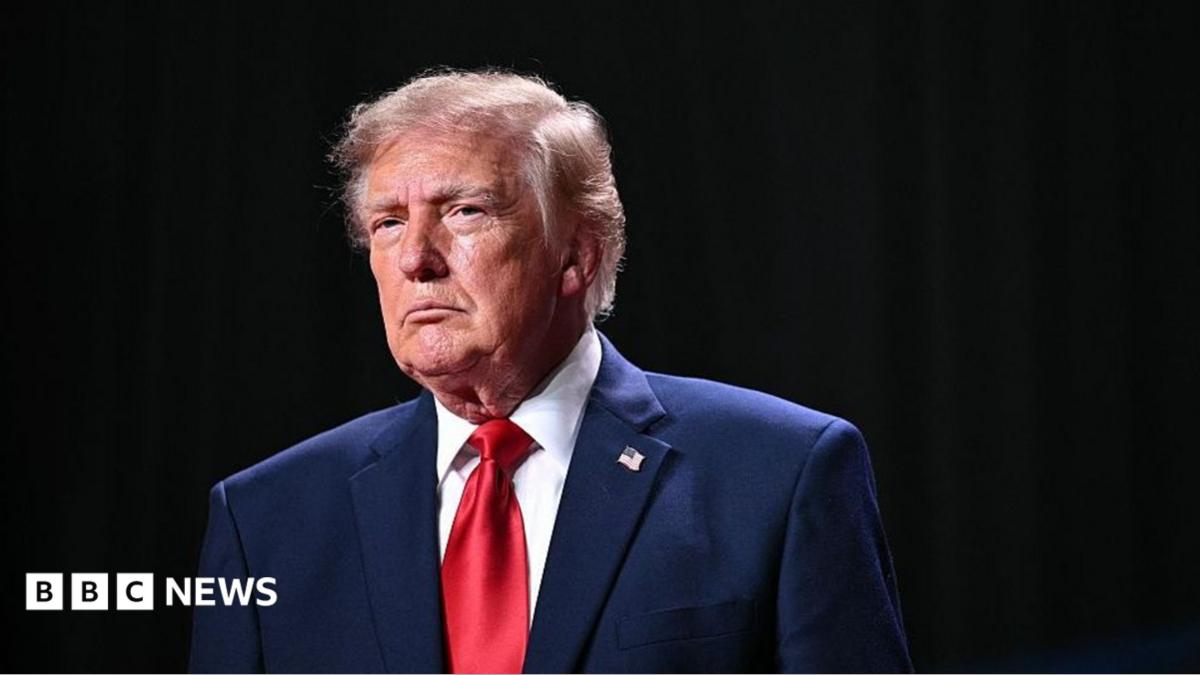
President Trump has announced a diplomatic agreement with Russian President Putin to release stranded diesel supplies, aiming to ease soaring US fuel prices ahead of critical midterm elections.
Geopolitical & Core Developments
In a dramatic shift in international diplomacy, President Donald Trump announced a bilateral arrangement with Russian President Vladimir Putin aimed at releasing significant volumes of Russian diesel to global markets. The agreement follows months of severe domestic economic pressure in the United States, where refined fuel prices have experienced a staggering twofold increase since the outbreak of the broader conflict with Iran in February. The military escalation in the Middle East severely disrupted traditional refining hubs and maritime transit corridors through the Strait of Hormuz, constricting international petroleum flows and creating an acute shortage of middle distillates across the Western Hemisphere.
According to diplomatic sources, negotiations between Washington and Moscow proceeded through backchannel intelligence and energy envoys, bypassing traditional multilateral frameworks. The core of the arrangement involves facilitating maritime shipments of Russian ultra-low-sulfur diesel from Baltic ports to designated terminals in the Atlantic basin. While the White House has framed the initiative as a pragmatic emergency measure to safeguard American consumers and transport networks, the political calculus is transparent. Soaring fuel costs have become the defining vulnerability for the Republican party as the country approaches high-stakes midterm elections, threatening legislative majorities and fueling public discontent over inflation.
Global Trade & Economic Ripples
The reintroduction of substantial volumes of Russian diesel into Western-facing supply chains marks a profound moment of structural adjustment for global commodity markets. Since the imposition of extensive Western sanctions following Moscow's invasion of Ukraine, global energy trade had partitioned into rigid parallel systems, with Russian diesel largely redirected to non-aligned markets in Asia, Latin America, and Africa at discounted rates. This new diplomatic understanding threatens to realign trade flows, potentially tightening availability for developing economies that had grown accustomed to discounted Russian energy supplies.
International shipping rates and freight derivatives experienced immediate volatility following the announcement, as tanker operators scrambled to re-route vessels toward transatlantic lanes. Commodity traders note that while the influx of Russian product will help alleviate the acute physical deficit plaguing US PADD (Petroleum Administration for Defense Districts) storage hubs, it introduces complex compliance hurdles for maritime insurers and financial institutions still navigating the labyrinth of G7 price caps and secondary sanctions. Currency markets reflected muted concern, though the ruble firmed slightly on expectations of renewed hard-currency inflows, while the US dollar pared some of its recent energy-driven gains.
Related Intelligence: Katie Zacharia Appointed White House Press Secretary Amid Policy Shifts
International Reactions & Diplomatic Stances
Global reaction to the Trump-Putin pact has been swift and deeply polarized. European Union officials in Brussels held emergency consultations to assess the implications of the deal for the continent's unified sanctions regime, expressing apprehension that Washington is unilaterally undermining the enforcement architecture designed to isolate the Kremlin's war economy. Several European diplomats voiced frustration over what they perceive as a double standard, wherein European capitals continue to bear the economic and security costs of energy decoupling while the United States secures direct bilateral accommodations.
Energy market analysts and geopolitical risk consultancies have questioned the long-term durability and legal mechanics of the arrangement. Multilateral monitoring bodies, including the International Energy Agency (IEA), warned that while short-term supply injections can moderate spot price spikes, they fail to resolve the fundamental structural deficits caused by Middle Eastern geopolitical instability. Meanwhile, domestic political opponents in Washington criticized the administration for providing a strategic lifeline to Moscow, arguing that the deal compromises long-term national security objectives for short-term electoral relief.
Strategic Outlook & Future Scenarios
As the first shipments of Russian diesel prepare to clear customs and enter the US distribution network, market participants are closely monitoring the reaction of key OPEC+ members and Middle Eastern producers. Saudi Arabia and other Gulf states, navigating their own complex security dynamics amid the ongoing conflict with Iran, may view the US-Russia energy arrangement as a disruptive precedent that complicates regional production quotas and pricing power.
Looking ahead, the trajectory of this agreement will depend heavily on the evolution of the Iran conflict and the domestic political calendar in the United States. Should maritime security in the Persian Gulf remain compromised, reliance on alternative supply channels like Russian product could deepen, forcing a broader reassessment of Western sanctions policy. Conversely, any sudden de-escalation in the Middle East could rapidly deflate diesel margins, rendering the delicate political and diplomatic trade-offs of the Trump-Putin agreement obsolete. Upcoming international economic summits will likely feature intense diplomatic sparring over the future enforcement of global energy sanctions and the re-emergence of bilateralism in commodity trade.
Join Our Official WhatsApp Channel
Receive live commodity alerts, policy changes, and commercial intelligence directly on WhatsApp.