
Trump Weighs Intelligence Veteran Clayton for National AI Strategy Lead
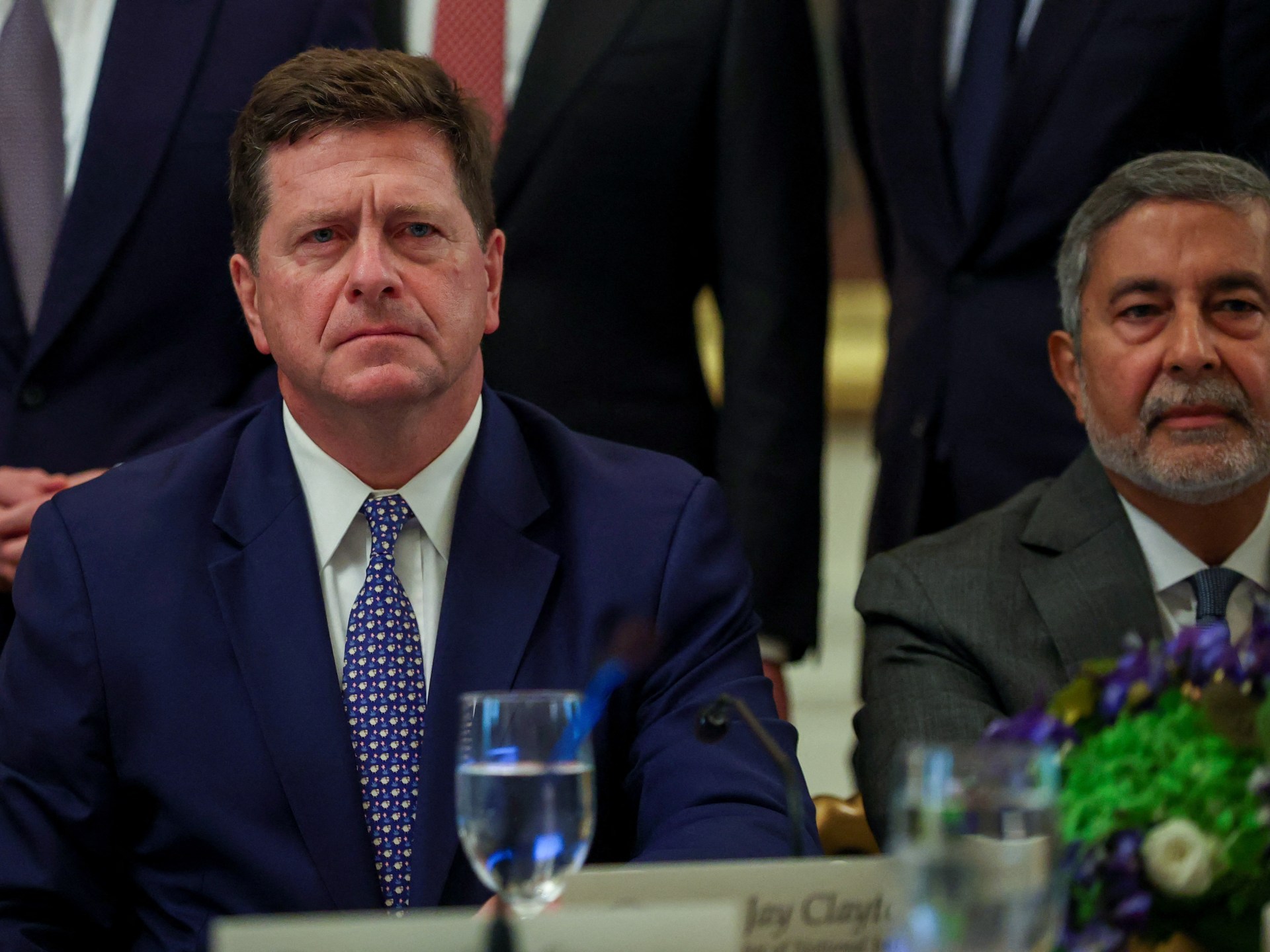
Reports indicate Donald Trump is considering intelligence veteran Clayton as national artificial intelligence tsar, reflecting rising demands for strategic state intervention in emerging technologies.
Geopolitical & Core Developments
Recent reports indicate that incoming administration officials are weighing the appointment of intelligence veteran Clayton to spearhead national artificial intelligence policy. This potential selection arrives at a critical juncture in the global technology race, where artificial intelligence has transcended commercial utility to become a fundamental pillar of national security and sovereign capability. State actors across North America, Europe, and Asia are increasingly treating advanced computing infrastructure as strategic territory, mirroring Cold War-era competition over critical resources.
The envisioned role of a national AI tsar is expected to consolidate federal oversight, bridging the traditionally disparate domains of intelligence gathering, domestic technological innovation, and national defense. As generative models and autonomous systems advance at an exponential rate, Washington faces mounting internal and external pressures to establish a unified command structure. This strategic pivot aims to secure technological supremacy against formidable geopolitical competitors, most notably China, while simultaneously safeguarding domestic networks from sophisticated cyber espionage and asymmetric disruption.
Global Trade & Economic Ripples
The centralization of artificial intelligence oversight under a national security framework carries profound implications for global trade, commodity pricing, and high-tech supply chains. Advanced artificial intelligence development is inextricably linked to the physical economy, demanding unprecedented quantities of electrical power, specialized cooling infrastructure, and semiconductor components manufactured from rare earth elements.
Any tightening of export controls or implementation of new federal mandates governing AI hardware will inevitably ripple through international shipping lanes and semiconductor manufacturing hubs in East Asia. Energy markets, particularly natural gas and nuclear utilities powering massive data center clusters, face heightened scrutiny as policymakers weigh domestic power grid stability against computational demands. Furthermore, multinational corporations operating across international jurisdictions anticipate complex compliance landscapes, as fragmented regulatory approaches between Washington, Brussels, and Beijing threaten to disrupt cross-border capital flows and intellectual property licensing agreements.
Related Intelligence: Yemen Food Crisis Deepens as Conflict Severely Disrupts Global Supply Chains
International Reactions & Diplomatic Stances
International response to the prospective appointment has been marked by a mixture of strategic caution and diplomatic maneuvering. European Union regulators, who recently enacted the comprehensive Artificial Intelligence Act, are monitoring Washington's structural reorganization to gauge potential friction points in transatlantic trade and data governance. Brussels remains concerned that a heavily securitized American AI policy could complicate cooperative frameworks on ethical standards and technical interoperability.
Meanwhile, market analysts and multilateral trade bodies note that the move signals a definitive departure from laissez-faire technology policies. Global competitors view the centralization of American AI strategy as a clear escalation of the techno-nationalist paradigm. Emerging economies, meanwhile, express apprehension over potential technological disenfranchisement, fearing that intensified great-power competition over artificial intelligence will restrict their access to cutting-edge digital infrastructure and impede equitable participation in the digital economy.
Strategic Outlook & Future Scenarios
The trajectory of United States artificial intelligence policy under a dedicated national coordinator will likely be defined by an aggressive push toward domestic self-sufficiency and stringent export restrictions. Upcoming international economic summits and bilateral trade negotiations will serve as primary testing grounds for Washington's new technological doctrine, with allies and adversaries alike scrambling to align or insulate their economies.
As regulatory frameworks harden into geopolitical instruments, the risk of technological bifurcation—splitting the global market into incompatible Western and Eastern digital ecosystems—grows increasingly pronounced. Industry stakeholders must navigate a landscape where commercial viability is inextricably bound to strategic compliance, national security clearances, and shifting geopolitical alliances.
Join Our Official WhatsApp Channel
Receive live commodity alerts, policy changes, and commercial intelligence directly on WhatsApp.