
Sudanese Army Strikes Nyala Livestock Market Amid Escalating Darfur Conflict
Sudanese military strikes on Nyala have triggered mutual accusations of mass civilian casualties, intensifying regional instability and disrupting vital East African trade links.
Geopolitical & Core Developments
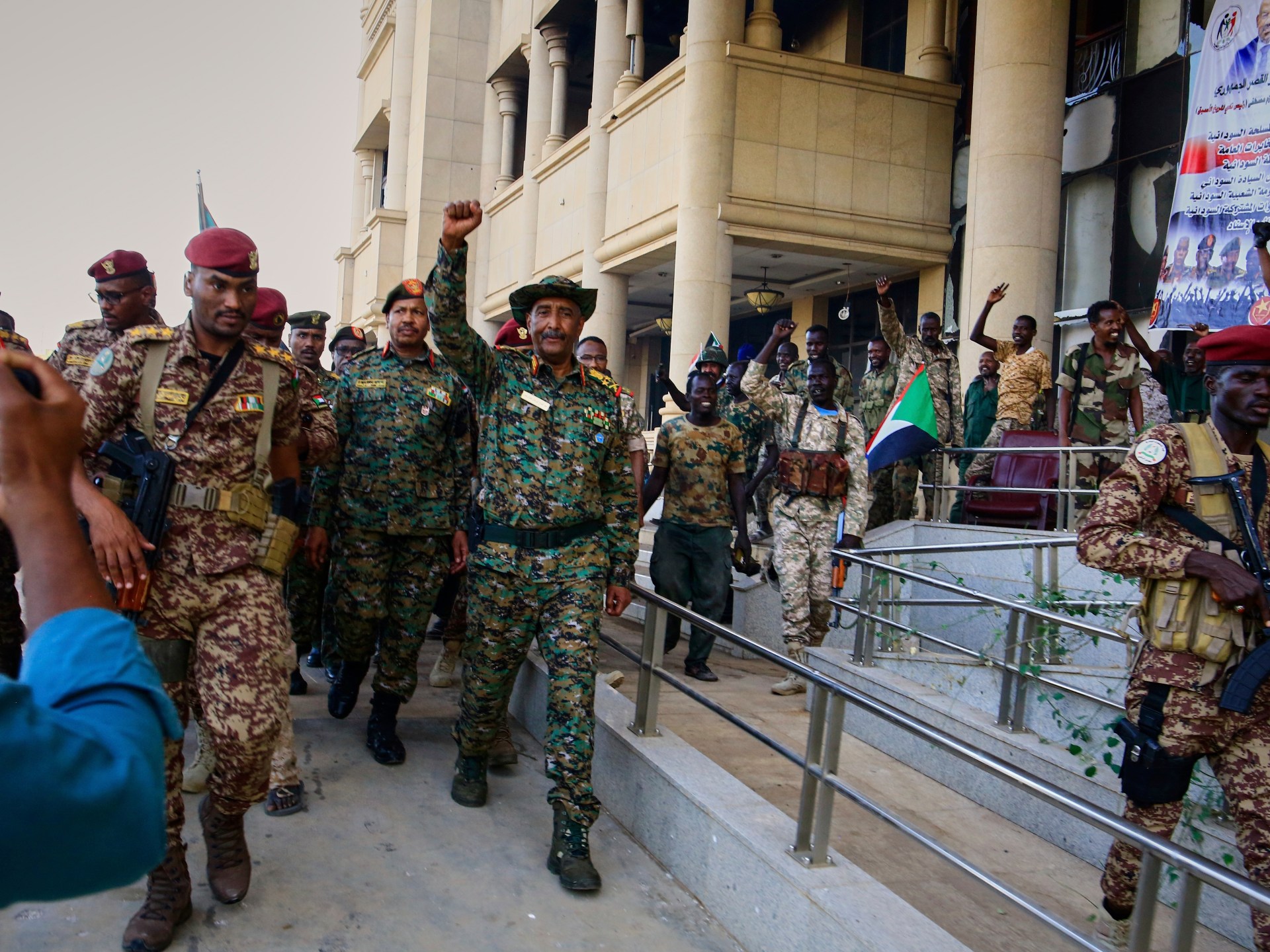
The prolonged civil conflict in Sudan reached another grim inflection point following heavy strikes by the Sudanese Armed Forces (SAF) on Nyala, the capital of South Darfur. According to official military spokespersons, the precision operation successfully neutralized dozens of fighters belonging to the paramilitary Rapid Support Forces (RSF), who have maintained operational control over large portions of the city since late 2023. However, counter-claims issued by the RSF and local civil rights monitors allege that the airstrikes struck a crowded municipal livestock market, killing at least 30 civilians and injuring dozens more.
The strategic value of Nyala remains paramount in the ongoing war between General Abdel Fattah al-Burhan's armed forces and General Mohamed Hamdan Dagalo's RSF. As Sudan's second-largest metropolitan center, Nyala serves as an administrative anchor and logistical hub connecting the Darfur region with western supply corridors toward Chad and the Central African Republic. The military's heightened reliance on aerial bombardment reflects an urgent attempt to disrupt RSF resupply networks and undermine the paramilitary faction's governance apparatus in western Sudan. The escalation marks a collapse of localized de-escalation arrangements, deepening the protracted war of attrition that has fractured the nation since April 2023.
Global Trade & Economic Ripples
While the primary impact of the strike is humanitarian, the macroeconomic ramifications for the Horn of Africa and international agricultural trade are severe. Nyala is historically a linchpin of Sudan's domestic livestock commerce, which routinely exports sheep, cattle, and camels northward to Egypt and across the Red Sea to Gulf markets, primarily Saudi Arabia. The targeting of transit hubs and market infrastructure paralyzes this illicit and formal trade flow, depriving millions of rural livelihoods and reducing foreign exchange inflows to zero.
Moreover, the instability continues to disrupt Sudan’s limited export-oriented natural resource extractives, notably gold mined in Darfur and peripheral regions. Smuggling routes overseen by paramilitary formations distort regional gold pricing and facilitate illicit financial flows across North Africa and the Middle East. Compounded by transit hazards along the Port Sudan logistical corridor, international shipping operators continue to exercise extreme caution in the wider Red Sea basin, pricing elevated risk premiums into maritime freight contracts across East Africa.
Related Intelligence: Houthi Strikes on Aden Threaten Red Sea Stability and Fragile Peace
International Reactions & Diplomatic Stances
The strikes drew swift concern from international bodies and regional powers attempting to broker a diplomatic solution. Spokespersons for the United Nations High Commissioner for Human Rights reiterated calls for all belligerents to respect international humanitarian law, particularly regarding the prohibition against indiscriminate attacks in populated commercial zones. Humanitarian agencies warned that repeated bombardment of urban centers will permanently sever vital supply corridors used to channel emergency food and medical assistance to millions facing famine across Darfur.
Diplomatic efforts spearheaded by the Quad—comprising the United States, Saudi Arabia, the United Arab Emirates, and Egypt—remain stalled. While Western capitals condemned the rising civilian death toll and renewed threats of targeted secondary sanctions against military commanders, regional actors face growing scrutiny over their indirect material patronage of the respective fighting factions. The African Union and the Intergovernmental Authority on Development (IGAD) reiterated appeals for an immediate and unconditional ceasefire, acknowledging that fragmented regional initiatives have so far failed to establish enforceable ceasefires.
Strategic Outlook & Future Scenarios
The near-term trajectory points toward an intensifying aerial campaign by the SAF, countered by asymmetric and retaliatory ground assaults by the RSF on urban peripheries. With neither faction holding decisive operational superiority across both central riverine Sudan and the vast western hinterlands, the risk of a formal de facto partition of the country continues to rise.
Upcoming multilateral discussions in Geneva and regional talks sponsored by Saudi Arabia face steep challenges. Unless international stakeholders enforce strict arms embargoes and establish robust civilian monitoring mechanisms, the urban centers of Darfur will remain combat theatres. Further deterioration will trigger additional displacement waves into fragile neighboring nations, including Chad and South Sudan, exacerbating cross-border security vacuums and indefinitely prolonging the disruption of vital trade infrastructure connecting central Africa to global commerce.
Join Our Official WhatsApp Channel
Receive live commodity alerts, policy changes, and commercial intelligence directly on WhatsApp.