
Afghanistan-Pakistan Border Clashes Threaten Regional Stability and Trade
Surging border violence between Afghanistan and Pakistan strains bilateral relations and threatens crucial South Asian trade corridors amid mutual accusations over militant activity.
Geopolitical & Core Developments
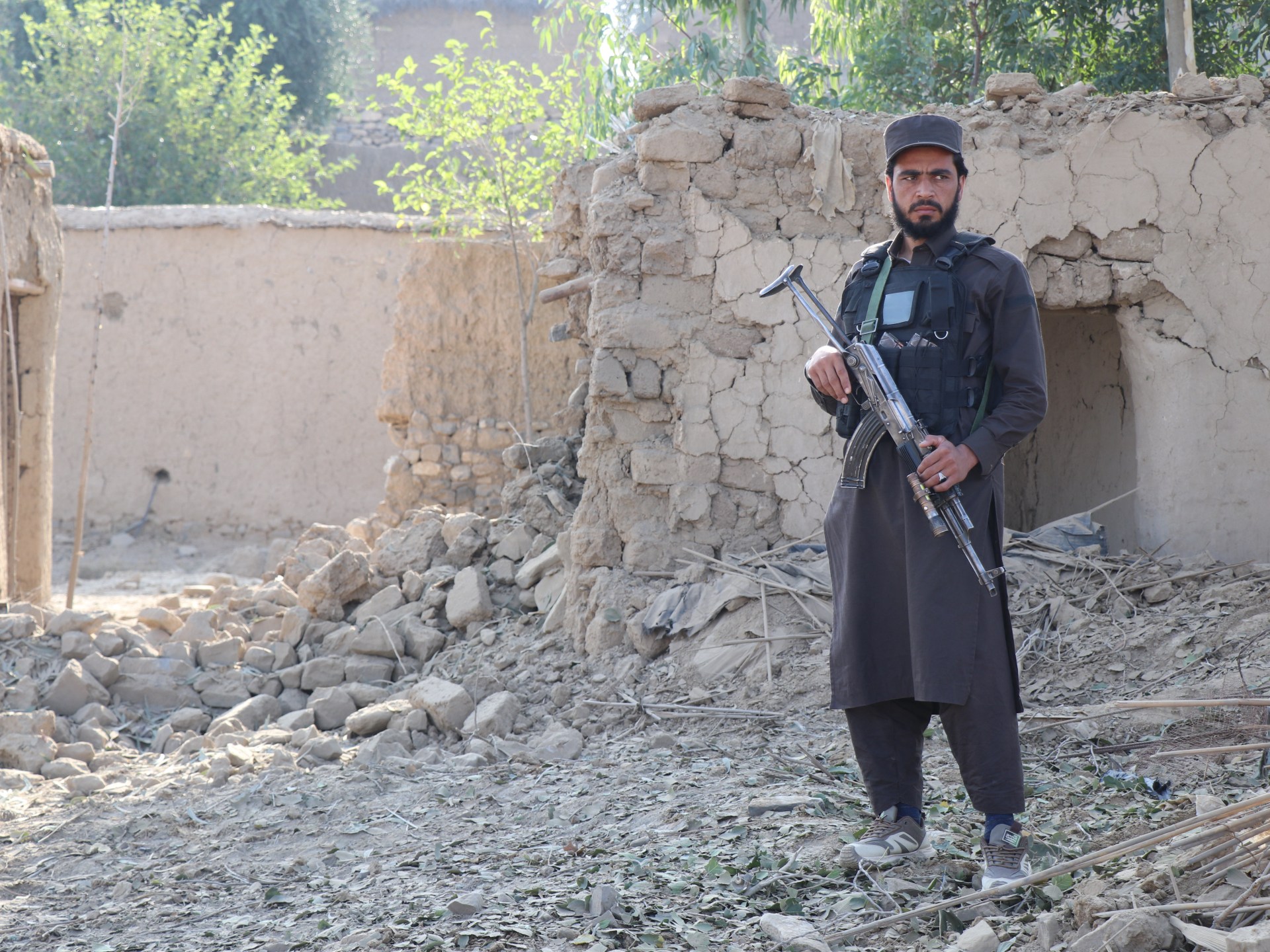
Tensions along the disputed Durand Line between Afghanistan and Pakistan have reached a critical juncture following a series of deadly border skirmishes that reportedly left 28 fighters dead. The latest escalation marks a severe deterioration in bilateral relations, with Kabul and Islamabad trading fierce accusations over cross-border infiltration and the harboring of militant groups. Pakistani security officials maintain that anti-state elements are utilizing Afghan territory to launch coordinated attacks across the frontier, a claim the interim Afghan administration categorically denies.
The historical volatility of the border region has been exacerbated by a breakdown in bilateral security cooperation mechanisms. Diplomatic channels, which previously served as a pressure valve for border disputes, have grown increasingly frigid. The strategic stakes for both nations are exceptionally high; Islamabad faces domestic pressure to secure its western frontier against persistent insurgent threats, while Kabul seeks to assert state sovereignty and counter what it perceives as external violations of its territorial integrity. As military posture hardens on both sides, the risk of localized skirmishes spiraling into a broader conventional confrontation remains a primary concern for regional military observers.
Global Trade & Economic Ripples
While the direct conflict is localized, the commercial fallout extends deeply into regional supply chains and international trade corridors. The Afghan-Pakistan transit trade agreement serves as a vital economic lifeline for landlocked Afghanistan, facilitating imports of essential foodstuffs, pharmaceuticals, and industrial inputs through the port of Karachi. Frequent border closures resulting from military flare-ups cause immediate bottlenecks, stranding hundreds of cargo trucks, perishable commodities, and commercial freight.
For global commodity markets, regional instability introduces premium risks for supply chains operating through South and Central Asia. Disruptions in cross-border commerce amplify inflationary pressures within domestic Afghan markets and strain Pakistan's fragile foreign exchange reserves, which are heavily dependent on stable regional trade flows. Furthermore, persistent security deficits along these critical trade arteries complicate broader international infrastructure initiatives, including proposed energy pipelines and rail corridors intended to connect Central Asian natural gas and mineral wealth to South Asian consumer markets.
Related Intelligence: West Bank Escalation Threatens Middle East Stability and Global Supply Chains
International Reactions & Diplomatic Stances
Global powers and multilateral institutions have expressed mounting alarm over the deteriorating security architecture in South Asia. The United Nations Assistance Mission in Afghanistan (UNAMA) has issued urgent appeals for restraint, emphasizing that renewed military hostility will exacerbate an already dire humanitarian crisis within the country. Neighboring states and regional organizations, including the Shanghai Cooperation Organisation (SCO), have urged both governments to re-engage through diplomatic dialogue rather than military posturing.
International trade analysts and risk intelligence firms note that sustained hostility between Kabul and Islamabad diminishes investor confidence across the wider region. Western diplomatic missions have reiterated calls for cooperative counter-terrorism strategies, warning that unchecked escalation could destabilize the broader geopolitical balance from the Central Asian republics to the Arabian Sea.
Strategic Outlook & Future Scenarios
Looking ahead, the trajectory of Afghanistan-Pakistan relations will hinge on whether both administrations can establish a functional security dialogue to address cross-border militancy. In the baseline scenario, sporadic border clashes and periodic frontier closures will persist, imposing chronic friction on regional commerce and straining diplomatic ties.
In a downside escalation scenario, a miscalculation by front-line military commanders could trigger sustained artillery duels and wider territorial incursions, severely curtailing trade flows and prompting stricter border militarization. Conversely, an optimistic outlook depends on back-channel mediation by regional intermediaries to reopen closed transit routes and restore baseline security cooperation. Until such diplomatic breakthroughs materialize, international logistics operators and commodity traders must navigate heightened operational risks across South Asian corridors.
Join Our Official WhatsApp Channel
Receive live commodity alerts, policy changes, and commercial intelligence directly on WhatsApp.