
Sri Lanka Court Convicts Fifteen Over 2019 Easter Sunday Bombings
Sri Lankan courts have convicted fifteen individuals over the 2019 Easter Sunday bombings, providing a measure of legal closure to the deadliest attacks since the civil war.
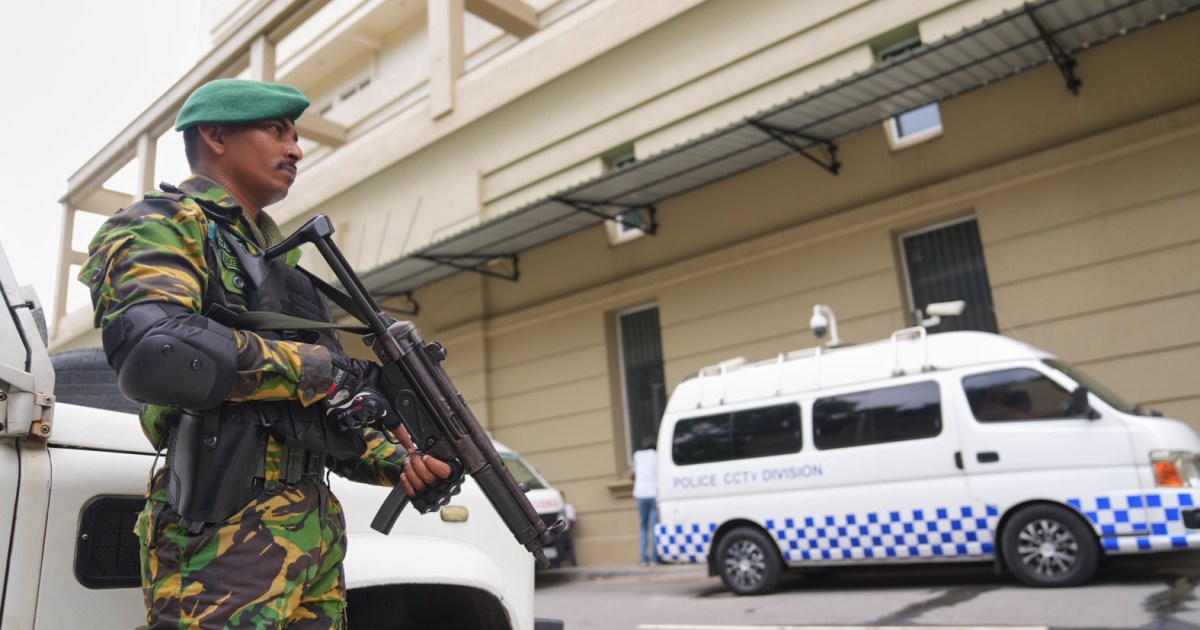
Geopolitical & Core Developments
A Sri Lankan court has handed down guilty verdicts to fifteen individuals implicated in the catastrophic 2019 Easter Sunday suicide bombings, bringing a measure of judicial closure to the worst terrorist atrocity on the island since the conclusion of the twenty-six-year civil war in 2009. The synchronized attacks, executed by local Islamist extremists aligned with transnational extremist ideologies, targeted three Christian churches and three luxury hotels across Colombo, Negombo, and Batticaloa. The devastating assaults shattered a decade of fragile post-war peace and exposed severe intelligence-sharing lapses within the state security apparatus. The recent verdict follows years of protracted legal proceedings, intense public scrutiny, and political turmoil that ultimately reshaped Sri Lanka's domestic political landscape. State prosecutors presented extensive evidence linking the defendants to conspiracy, logistical preparation, and indoctrination, reinforcing the government's narrative of pursuing absolute accountability. However, domestic and international human rights advocates emphasize that while securing convictions against direct perpetrators is vital, comprehensive justice remains unfulfilled without fully uncovering the wider network of intellectual authors and institutional negligence that permitted the carnage to unfold unchecked.
Global Trade & Economic Ripples
The 2019 Easter Sunday bombings delivered an immediate and profound shock to Sri Lanka's fragile economic architecture, triggering cascading effects that reverberated across regional trade and tourism markets. As a critical maritime node situated along major East-West shipping lanes in the Indian Ocean, the island's macroeconomic stability is vital for regional supply chain confidence. The sudden security vacuum and subsequent state of emergency severely disrupted the tourism sector, which accounted for a substantial share of foreign exchange earnings, leading to sharp currency depreciation and a severe balance-of-payments crisis. International rating agencies swiftly downgraded Sri Lankan sovereign debt, escalating borrowing costs and precipitating the macroeconomic vulnerabilities that culminated in the historic 2022 sovereign default. Although the latest judicial verdicts offer a symbolic restoration of legal certainty, foreign direct investment and commercial sentiment remain highly sensitive to domestic security stability. Global commodity traders and insurers monitoring South Asian logistics hubs continue to price geopolitical risk premiums into operations touching Colombo port, underscoring how domestic security failures translate directly into international trade friction and heightened transaction costs.
Related Intelligence: Chokepoint Crisis: The Strategic and Economic Weight of Bab al-Mandab
International Reactions & Diplomatic Stances
The delivery of the verdict drew measured responses from international capitals, multilateral institutions, and global human rights organizations. The United Nations and several Western governments acknowledged the legal milestone while reiterating long-standing calls for systemic transparency and independent international oversight regarding the broader intelligence failures preceding the tragedy. Diplomatic missions in Colombo emphasized that true economic recovery and durable political stability are inextricably linked to robust adherence to the rule of law and the protection of minority religious communities. Financial markets and international risk analysts evaluated the verdict as a positive, albeit delayed, step toward institutional rehabilitation. Nevertheless, foreign investors and international lenders maintain cautious stances, closely watching whether the judicial process will expand to investigate high-ranking former state officials accused of criminal negligence. Bilateral partners and multilateral financial institutions, including the International Monetary Fund, continue to tie ongoing economic bailouts and developmental assistance to broader governance reforms and institutional accountability measures.
Strategic Outlook & Future Scenarios
Looking ahead, the conclusion of this high-profile trial sets a crucial precedent for Sri Lanka's internal security posture and its geopolitical alignment within the strategic Indo-Pacific theater. As regional powers vie for maritime influence across South Asia, Colombo's ability to maintain internal security and project institutional competence is paramount for attracting foreign capital and securing strategic infrastructure partnerships. Upcoming political cycles and legislative sessions will likely test the government's commitment to fully implementing judicial recommendations and intelligence overhauls. While the convictions close a painful chapter for victims and their families, the long-term trajectory depends on sustained economic restructuring and systemic governance reform. Failure to address lingering accountability gaps risks reigniting domestic polarization, potentially undermining foreign investor confidence and complicating Sri Lanka's integration into broader regional trade and security frameworks across the Indian Ocean basin.
Join Our Official WhatsApp Channel
Receive live commodity alerts, policy changes, and commercial intelligence directly on WhatsApp.