
Sri Lanka Convicts Fifteen Over 2019 Easter Sunday Bombings
Sri Lankan courts have convicted fifteen individuals for the 2019 Easter Sunday bombings that killed 279 people, marking a pivotal moment for national security and economic stability.
Geopolitical & Core Developments
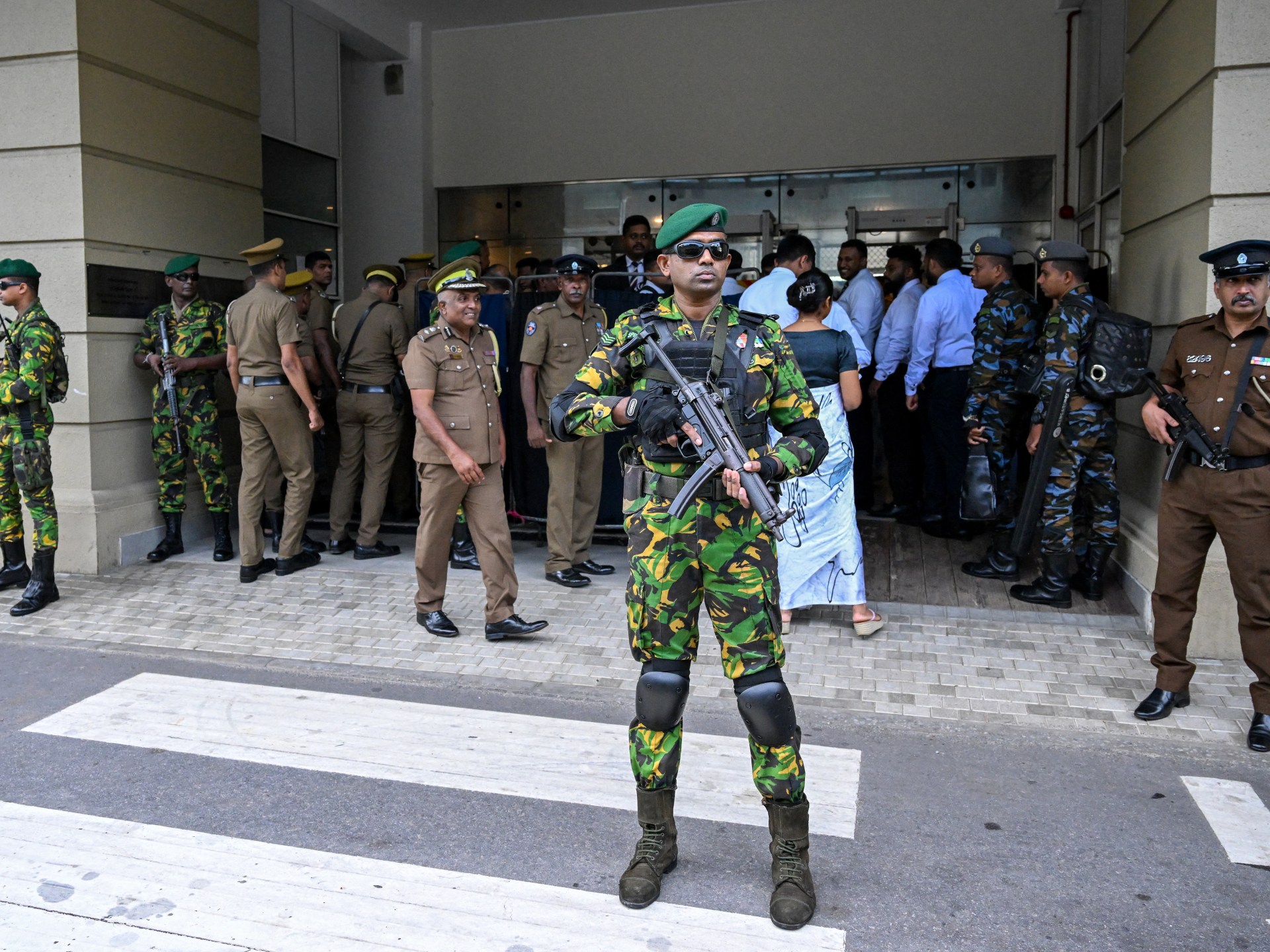
A Colombo court has delivered a landmark verdict, convicting fifteen individuals involved in the coordinated suicide bombings that struck Sri Lanka in April 2019. The horrific attacks, which targeted three prominent tourist hotels and three Christian churches during Easter services, left 279 people dead, including dozens of foreign nationals, and injured over 500 others. The tragedy marked one of the worst domestic security failures in modern South Asian history, laying bare systemic vulnerabilities within the state intelligence apparatus and triggering profound political turmoil. The subsequent fallout reshaped the nation's political landscape, contributing to major shifts in executive leadership and prompting rigorous scrutiny of national counter-terrorism frameworks. The culmination of this judicial process represents an essential milestone in the state's pursuit of accountability, addressing years of domestic and international criticism over the perceived sluggish pace of justice for the victims and their families.
Global Trade & Economic Ripples
Beyond the profound humanitarian tragedy, the 2019 bombings delivered a catastrophic blow to Sri Lanka's critical tourism sector and broader macroeconomic stability, a shock that directly intersected with the island nation's subsequent sovereign debt crisis. Tourism receipts, which accounted for a vital share of foreign exchange reserves, plummeted instantly in the wake of the attacks, exacerbating fiscal deficits and weakening the Sri Lankan rupee. While international shipping lanes through the Indian Ocean remained physically unaffected, the broader commercial sentiment soured as foreign direct investment slowed significantly amid heightened security risk assessments. The restoration of judicial accountability through these convictions is viewed by international financial institutions, including the International Monetary Fund, as a necessary component of strengthening governance, reinforcing the rule of law, and gradually restoring investor confidence in the nation's commercial resilience and long-term economic recovery.
Related Intelligence: Cyprus Court Proceedings Highlight International Safety Standards in Tourism
International Reactions & Diplomatic Stances
The judicial decision has drawn measured responses from international partners, foreign governments, and multilateral bodies, many of which lost citizens in the coordinated carnage. Representatives from the United Nations and various Western nations have consistently emphasized the necessity of transparent, credible legal proceedings to address systemic accountability gaps. International human rights organizations have closely monitored the proceedings, balancing recognition of the legal milestone with ongoing calls for comprehensive institutional reforms to prevent future intelligence failures. Regional powers across the Indo-Pacific, cognizant of the transnational networks that influenced the local extremist cells, continue to monitor Colombo's counter-terrorism measures. Strengthening regional intelligence-sharing frameworks remains a core diplomatic priority to neutralize cross-border extremist financing and operational planning across South and Southeast Asia.
Strategic Outlook & Future Scenarios
As Sri Lanka navigates its fragile post-crisis economic recovery under strict international bailout conditions, the closure of this high-profile judicial chapter offers a pathway toward enhanced domestic stability. However, long-term strategic security will depend heavily on sustained intelligence reform, inter-agency cooperation, and rigorous oversight of religious and political extremism. Upcoming diplomatic engagements and regional security summits will likely focus on bolstering maritime security in the Indian Ocean and countering digital radicalization. For international investors and commercial partners, the definitive resolution of the 2019 bombing trials signals a maturing legal environment, though continuous vigilance regarding political stability and governance reforms remains paramount for sustained foreign capital inflows.
Join Our Official WhatsApp Channel
Receive live commodity alerts, policy changes, and commercial intelligence directly on WhatsApp.