
South Africa Water Contamination Crisis Exposes Deep Municipal Infrastructure Deficits
Health authorities have issued emergency warnings near Pretoria after contaminated tap water sickened over 400 people, underscoring severe municipal neglect and infrastructure vulnerabilities.
Geopolitical & Core Developments
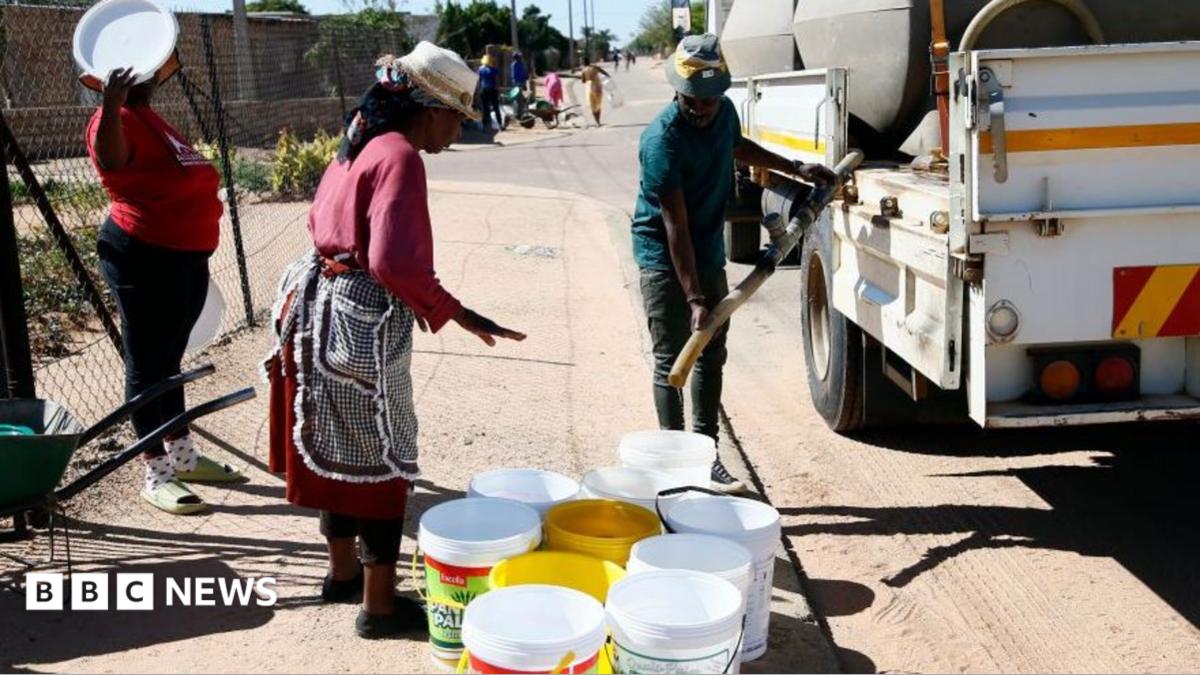
Public health authorities in South Africa issued an urgent advisory instructing residents east of Pretoria to cease consuming tap water after an acute contamination outbreak sickened more than 400 people, the vast majority of whom are school-aged children. The emergency unfolded across several informal and peri-urban settlements in the City of Tshwane metropolitan municipality, where local clinics and regional medical centers were inundated with patients presenting symptoms of severe diarrheal illness, dehydration, and gastrointestinal distress.
The crisis represents an alarming escalation in South Africa's broader municipal governance breakdown. The Department of Health and local municipal utility teams dispatched rapid-response epidemiological units to collect water samples from storage reservoirs, reticulation networks, and mobile water tankers deployed in the area. Initial assessments point to cross-contamination within neglected distribution pipelines and deteriorating treatment facilities that have struggled to maintain chemical dosing and microbiological safety thresholds. While emergency medical personnel established triage centers to stabilize vulnerable pediatric patients, municipal leadership faces intensifying scrutiny over chronic delays in upgrading overloaded water treatment plants that serve rapid-growth peri-urban districts around the administrative capital.
[Global Trade](/news/european-energy-crisis-fuel-inflation-trade-impact) & Economic Ripples
While the immediate crisis centers on public health, the ongoing deterioration of South Africa's primary utility networks presents direct operational headwinds for international commerce and industrial investment. South Africa is the continent's most industrialized economy, serving as a vital nexus for global mineral exports, automotive manufacturing, and regional agricultural supply chains. Persistent failures across fundamental utility systems—spanning electrical generation, rail freight, and municipal water—impose substantial drag on sovereign productivity and corporate balance sheets.
Industrial operations, including commercial food processing, chemical production, and metallurgy clusters located in Gauteng province, rely heavily on clean, uninterrupted water supplies. Disruptions in municipal delivery force multinational firms to establish costly private purification facilities and secondary storage systems, effectively imposing a private infrastructure tax on foreign direct investment. Furthermore, sovereign risk assessments by major global rating agencies have repeatedly flagged deteriorating local government competencies and state-owned service infrastructure as key constraints on the South African rand, dampening fiscal flexibility and raising borrowing costs on international capital markets.
International Reactions & Diplomatic Stances
The World Health Organization's regional office for Africa and domestic health monitoring entities have closely monitored the situation, warning of risks associated with waterborne pathogens such as cholera and E. coli in dense metropolitan corridors. Public health analysts noted that failing sanitation systems and seasonal rainfall patterns create elevated contagion risks across the southern African region, where cross-border labor movement and trade links are tightly integrated.
Civil society groups and public interest legal organizations have condemned municipal authorities for failing to act on past infrastructure audit reports. Independent environmental monitoring groups have emphasized that the crisis violates basic constitutional rights to clean water and dignity, calling for national treasury intervention to ring-fence capital allocations destined for water management.
Strategic Outlook & Future Scenarios
Moving forward, the trajectory of South Africa's water infrastructure crisis hinges on structural governance reforms within regional water service authorities. If national leadership does not impose stringent accountability frameworks and channel targeted capital expenditure into rehabilitation, similar outbreaks are expected to proliferate across urban hubs, exacerbating socio-economic instability.
Over the medium term, persistent utility failures could catalyze broader civil dissatisfaction and heighten sovereign credit vulnerabilities ahead of upcoming multilateral financing discussions. Multinational firms operating across southern Africa are likely to accelerate off-grid water resilience strategies, mirroring the private sector's mass adoption of decentralized energy solutions. Without decisive institutional intervention to safeguard municipal water assets, the compounding strain on public healthcare systems will continue to deter international investment and weaken national economic output.
Join Our Official WhatsApp Channel
Receive live commodity alerts, policy changes, and commercial intelligence directly on WhatsApp.