
Poland Alleges Sabotage at Starlink Station as Denmark Warns of Russian Threat
Poland investigates a suspected sabotage fire at a critical Starlink station supporting Ukraine, while Denmark warns of rising Russian hybrid threats across Europe.
Geopolitical & Core Developments
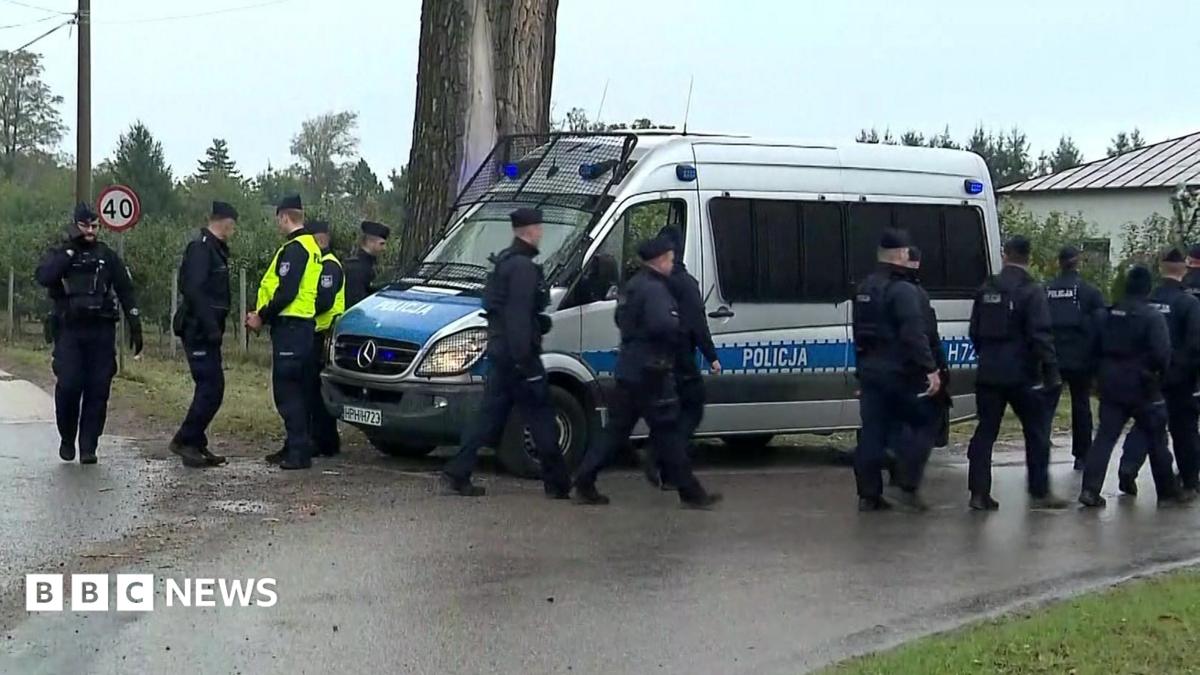
Polish security services have launched a comprehensive high-level investigation following a suspicious fire at a vital Starlink satellite ground station located within national borders. Government officials confirmed that the compromised facility plays an essential role in routing high-speed internet communications across the region, including providing critical connectivity services to neighboring Ukraine amid its ongoing conflict. The incident has immediately triggered severe security alarms throughout Central and Eastern Europe, where critical infrastructure has increasingly become the primary target of sophisticated hybrid warfare operations.
Simultaneously, Danish intelligence and defense authorities have issued stark warnings regarding a sharp escalation in Russian hostile activities directed against Northern Europe and the Baltic basin. According to security assessments, Moscow has intensified its deployment of asymmetric tactics, ranging from cyberattacks on vital logistics networks to physical sabotage targeting subsea cables, energy pipelines, and satellite communication nodes. This convergence of direct infrastructural attacks and heightened regional threat levels marks a critical inflection point in European security architecture, moving hybrid confrontation from the digital realm directly into physical commercial and strategic assets.
[Global Trade](/news/trump-xi-jinping-us-summit-global-trade-geopolitics) & Economic Ripples
The deliberate targeting of dual-use commercial infrastructure, such as satellite networks and telecommunication ground stations, introduces profound systemic risks to global supply chains, international commerce, and digital trade networks. Modern international logistics, maritime shipping lanes, algorithmic commodity trading, and automated financial settlements rely fundamentally on uninterrupted, high-bandwidth satellite communications. Any sustained degradation of these networks creates immediate vulnerabilities for transnational corporations, energy transporters, and agricultural exporters operating across Europe and the Black Sea basin.
Furthermore, heightened security protocols and the necessity to harden critical commercial nodes against sabotage are driving up operational expenditures for telecommunications providers, logistics firms, and energy infrastructure operators. Insurance underwriters are currently recalibrating risk models for commercial operations situated near Eastern European frontiers, leading to escalating premiums for maritime freight, aviation, and cross-border commercial transport. These compounding risk factors threaten to generate inflationary pressures across European industrial sectors and disrupt critical trade corridors linking Western markets with Eastern suppliers.
Related Intelligence: Iran Flight Bans Trigger Regional Escalation and Supply Chain Risks
International Reactions & Diplomatic Stances
In the wake of the Polish incident and the Danish threat assessment, Western capitals and multilateral organizations have expressed profound alarm over the brazen escalation of hostile actions against civilian and commercial infrastructure. NATO defense planners are currently reviewing collective security frameworks to determine whether such sabotage operations cross the threshold into Article 5 considerations or require enhanced retaliatory hybrid countermeasures. European Union officials have emphasized the urgent need for a unified cybersecurity and physical defense posture to safeguard transcontinental supply lines and communication pathways.
Market analysts and geopolitical risk consultancies note that these developments underscore the extreme vulnerability of private sector assets engaged in geopolitical flashpoints. Corporations operating dual-use technologies are facing mounting pressure from government regulators to implement rigorous military-grade security standards. Meanwhile, diplomatic channels between Moscow and Western capitals remain severely strained, with international bodies calling for transparent investigations and accountability to prevent further degradation of regional stability and commercial security.
Strategic Outlook & Future Scenarios
Looking ahead, the trajectory of European security suggests an ongoing escalation of hybrid confrontation, with critical space-based assets, subsea infrastructure, and digital networks remaining prime targets for state-backed sabotage. Upcoming European Council and NATO summits are expected to prioritize the establishment of a robust, pan-European resilience framework designed to protect dual-use commercial technologies from asymmetric interference.
Investors and commodity market participants must prepare for a prolonged period of elevated geopolitical risk premium across European markets. As governments implement stringent regulatory oversight and mandatory infrastructure hardening, companies dependent on cross-border logistics and satellite communications will need to diversify operational nodes. Failure to adequately address these systemic vulnerabilities risks destabilizing vital commercial pathways and undermining international trade confidence for the foreseeable future.
Join Our Official WhatsApp Channel
Receive live commodity alerts, policy changes, and commercial intelligence directly on WhatsApp.