
Pakistan Withdraws From Asian Champions Trophy Over Venue Dispute
Pakistan officially withdrew from the 2026 Asian Hockey Champions Trophy after organizers rejected neutral venue requests, prompting Bangladesh to step in as a replacement for the tournament hosted in India.
The Core Development
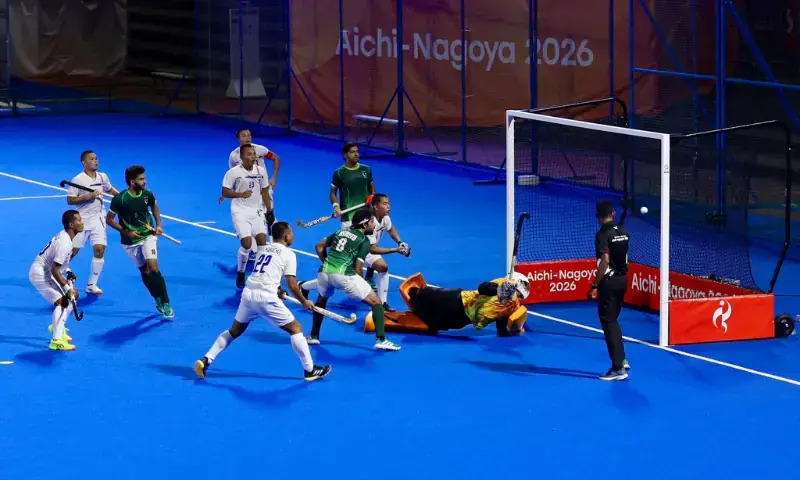
The landscape of regional sports diplomacy has shifted dramatically following the formal withdrawal of Pakistan from the upcoming Men's Asian Hockey Champions Trophy 2026. The Asian Hockey Federation (AHF) announced on Friday that Bangladesh has officially accepted an invitation to take Pakistan's place in the tournament, which is scheduled to run from October 27 to November 5. The revised tournament schedule places the matches across designated venues in Jalandhar and Mohali, India.
The withdrawal follows a breakdown in negotiations between the Pakistan Hockey Federation (PHF) and continental organizers. The PHF had formally approached the AHF requesting either a complete relocation of the tournament or the establishment of a neutral venue for Pakistan's fixtures. Citing sensitive bilateral diplomatic relations between Pakistan and India, as well as heightened concerns regarding the safety, security, and institutional dignity of traveling players and officials, Islamabad pressed for alternative arrangements. However, both Hockey India and the AHF rejected the proposal, maintaining that the event would proceed strictly according to the original host nation itinerary. Consequently, the PHF opted for withdrawal, paving the way for Bangladesh to enter the tournament pool.
Commercial & Economic Implications
While sports fixtures primarily register on cultural and diplomatic radars, high-profile international boycotts and tournament withdrawals carry tangible economic externalities for national sports boards and associated commercial ecosystems. For Pakistan, ongoing friction in cross-border sports hosting arrangements limits bilateral sponsorship inflows, television broadcast rights sharing, and brand equity monetization within regional sports markets. The inability to participate in premier continental showcases directly impacts the commercial valuation of national hockey leagues, reducing corporate sponsorship interest from domestic conglomerates, banks, and retail giants that traditionally back the sport.
Furthermore, the stagnation of high-level international exposure depresses retail merchandise sales, sporting goods manufacturing contracts, and localized gear distribution networks inside Pakistan. When national teams miss major international windows, domestic sporting goods manufacturers—who form a vital export-oriented industrial cluster in cities like Sialkot—lose vital promotional synergies. The broader macroeconomic environment suffers from depressed sports tourism revenues, diminished hospitality partnerships, and constrained foreign exchange generation tied to international sporting delegations and media broadcasting fees.
Related Intelligence: Three Years of Conflict Casts Deep Shadow Over Israeli Society and Markets
Stakeholder Perspectives & Market Reactions
Reaction across national sports administration bodies, trader associations, and policy circles has been sharply divided. Insiders within the Pakistan Hockey Federation defend the withdrawal as an unavoidable defense of national dignity and player security in the absence of diplomatic guarantees from the host nation. Legal experts specializing in international sports governance note that while the AHF operates within its mandate to award hosting rights, rigid adherence to single-nation hosting schedules during geopolitical standoffs frequently compromises regional sports integration.
Conversely, commercial stakeholders and former players have expressed profound disappointment over the compounding isolation of Pakistan hockey from top-tier competition. Industry bodies representing sporting goods manufacturers have voiced concerns that persistent withdrawal cycles degrade the global market positioning of Pakistani athletic brands. Public sentiment mirrors a sense of resignation, with civil society and sports enthusiasts calling for structural financial reforms, professionalization of federation management, and enhanced government backing to insulate national athletes from recurring diplomatic deadlocks.
Forward Outlook & Key Watchpoints
The immediate consequence of the withdrawal is the solidification of Bangladesh's participation in the 2026 tournament line-up, leaving Pakistan to recalibrate its international calendar for the upcoming cycle. Key watchpoints for policymakers, sports economists, and federation officials include upcoming AHF executive board meetings, potential administrative penalties or fines stemming from the forfeiture, and the restructuring of the domestic national training regime.
Long-term financial sustainability for the PHF will depend heavily on securing alternative bilateral series outside of hostile jurisdictions, expanding domestic league revenues through corporate sponsorships, and diversifying funding streams. If Pakistan's sporting administration fails to navigate these diplomatic hurdles, the commercial viability of field hockey—once the nation's undisputed national glory—will face accelerated decline, impacting everything from grassroots development programs to large-scale industrial manufacturing partnerships.
Join Our Official WhatsApp Channel
Receive live commodity alerts, policy changes, and commercial intelligence directly on WhatsApp.