
Pakistan Strikes Afghan Border Positions Following Escalating Cross-Border Drone Incursions
Pakistan conducted precision aerial strikes against 10 Afghan locations following provocative drone incursions by the Taliban regime, threatening bilateral commerce and border stability.
The Core Development
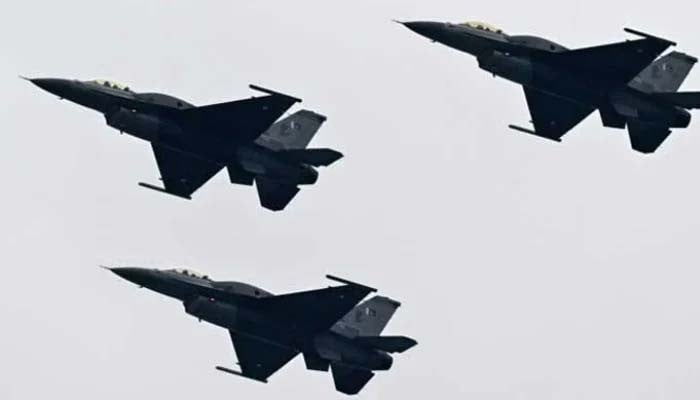
In a decisive escalation along the western frontier, Pakistan has executed precision aerial and drone strikes targeting ten distinct locations within neighboring Afghanistan. According to high-ranking defense and federal ministers speaking on strict conditions of anonymity, the military operation was launched in direct retaliation to a series of recent, unprovoked drone intrusions orchestrated by the Afghan Taliban regime. These cross-border aerial violations represented a fundamental breach of Pakistan's territorial sovereignty and triggered an immediate, calibrated kinetic response from the Pakistan Armed Forces.
The strikes, executed during the early hours, utilized advanced technological surveillance and precision guidance systems to minimize collateral damage while systematically dismantling hostile staging grounds and command nodes utilized for cross-border incursions. Security analysts note that this marks a significant hardening of Islamabad's posture following months of diplomatic friction and failed bilateral talks regarding militant safe havens and border management protocols.
Commercial & Economic Implications
For Kalyar Traders and the broader business community across Pakistan, the sudden military escalation introduces severe volatility into regional supply chains and wholesale distribution networks. The immediate tightening of border security and potential closure of key commercial transit gates—such as Torkham and Chaman—threaten to halt millions of dollars in bilateral trade, particularly perishable agricultural imports, textiles, and transit goods destined for Central Asia.
Wholesale markets in Peshawar, Quetta, and major commercial hubs are already reacting to anticipated logistics bottlenecks. Analysts warn that prolonged border closures could exert upward pressure on commodity prices, exacerbating domestic inflation rates that have remained a central concern for the State Bank of Pakistan. Retailers sourcing raw materials or consumer goods reliant on the western trade corridor must urgently diversify procurement channels to mitigate impending supply shocks.
Related Intelligence: Indonesian Wildfire Toxic Smog Sparks Regional Health and Trade Crisis
Stakeholder Perspectives & Market Reactions
Business councils, chambers of commerce, and trader associations have expressed deep anxiety regarding the commercial fallout of the border flare-up. Representatives from the Pak-Afghan Joint Chamber of Commerce and Industry (PAJCCI) have issued urgent appeals to both governments to establish secure, insulated economic corridors that insulate commercial traffic from military friction.
Legal and strategic trade experts emphasize that while national security remains paramount, the economic cost of severed supply chains disproportionately impacts small and medium-sized enterprises operating along the frontier. Meanwhile, official statements from Islamabad reiterate that the state will not compromise on national security, urging the Kabul administration to dismantle hostile infrastructure and respect international borders to restore economic normalcy.
Forward Outlook & Key Watchpoints
Looking ahead, stakeholders must monitor several critical indicators over the next 72 hours. Key watchpoints include potential formal announcements regarding border closures, shifts in inter-ministerial security directives, and any retaliatory postures assumed by the Kabul regime. For financial planners and corporate entities at Kalyar Traders, maintaining agile inventory reserves and monitoring real-time logistics intelligence will be vital as geopolitical tensions continue to dictate economic realities.
Join Our Official WhatsApp Channel
Receive live commodity alerts, policy changes, and commercial intelligence directly on WhatsApp.