
Pakistan Short-Term Inflation Surges to 11.97pc on Rising Food Prices
Pakistan's short-term inflation climbed to 11.97pc year-on-year for the week ending October 8, fueled by persistent spikes in essential food commodities and petroleum prices.
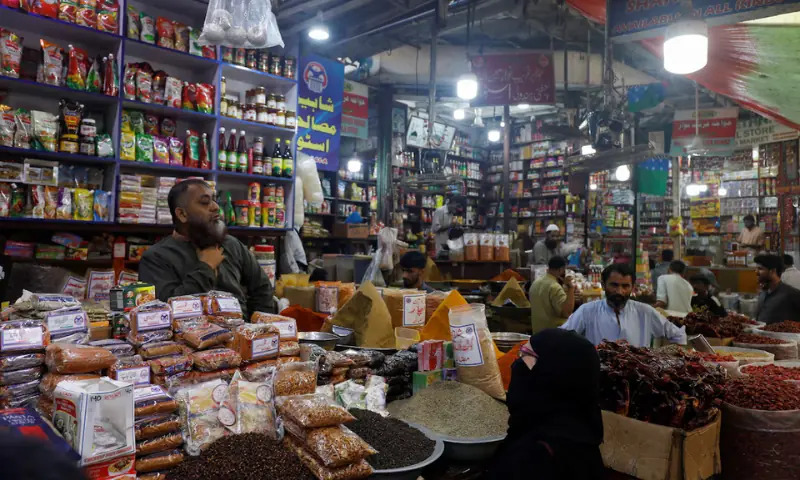
The Core Development
Short-term inflation in Pakistan maintained its persistent upward trajectory, climbing to 11.97 percent year-on-year for the week ending October 8, according to official data released by the Pakistan Bureau of Statistics (PBS) on Friday. The Sensitive Price Index (SPI), which serves as the primary barometer for weekly price fluctuations across the country, registered an increase of 0.57 percent on a week-on-week basis.
The latest statistical figures underscore a widening cost-of-living crisis affecting households nationwide. Out of the 51 essential commodities monitored in the official basket, prices of 20 items—representing 39.22 percent of the surveyed goods—experienced notable increases. Meanwhile, prices for six items, or 11.76 percent, registered declines, while the remaining 25 commodities, accounting for 49.02 percent, held steady compared to the preceding week. The persistent double-digit inflation print continues to be heavily influenced by structural supply chain pressures and sustained increases in petroleum products over consecutive weeks.
Commercial & Economic Implications
For businesses, retailers, and wholesale distributors operating within Pakistan's commercial landscape, the latest SPI data signals deepening challenges in inventory management and consumer purchasing power. The rise is heavily concentrated in staple food items, notably wheat flour, which directly impacts household budgets and forces consumers to reallocate discretionary spending toward basic survival needs.
Wholesale distribution networks report tightening margins as logistics costs remain elevated due to prior petroleum price adjustments. Small and medium-sized retail enterprises are experiencing subdued demand as everyday buyers scale back purchases. This contraction in retail velocity ripples upstream, straining commercial credit lines and complicating cash flow forecasting for traders who must navigate fluctuating wholesale procurement costs amidst weakening consumer confidence.
Related Intelligence: OpenAI Safety Firings Spark Global Governance and Tech Supply Chain Debate
Stakeholder Perspectives & Market Reactions
Market participants and trade representatives have expressed mounting concern over the unrelenting inflationary momentum. Association representatives note that persistent double-digit inflation erodes real wages, stifling domestic market turnover. Business leaders emphasize that without targeted relief on energy inputs and logistics, commercial enterprises will struggle to absorb rising operational overheads without passing the burden further down the supply chain.
Independent economists argue that while monetary policy has remained tight, structural rigidities in agricultural supply chains and energy pricing continue to drive core and headline inflation. Consumer advocacy groups have called for stronger market monitoring and administrative oversight to curb speculative price gouging by middlemen, warning that vulnerable segments of the population are facing acute financial distress.
Forward Outlook & Key Watchpoints
Looking ahead, macroeconomic monitors will closely watch upcoming monthly inflation prints from the PBS to determine whether the weekly SPI momentum translates into broader consumer price index acceleration. Key watchpoints for the upcoming quarters include agricultural output forecasts for upcoming crop cycles, potential adjustments in utility tariffs, and international petroleum price benchmarks.
Policy enforcement by district administrations regarding price control mechanisms will remain critical in the near term. For Kalyar Traders and commercial stakeholders across Pakistan, navigating the coming months will require agile supply chain strategies and conservative inventory positioning to weather ongoing macroeconomic volatility.
Join Our Official WhatsApp Channel
Receive live commodity alerts, policy changes, and commercial intelligence directly on WhatsApp.