
Pakistan Hockey and Kabaddi Triumph at Asian Games Amid Fencing Setbacks
Pakistan's hockey and kabaddi teams sustained their winning momentum at the Asian Games with a decisive 5-1 victory over Uzbekistan, contrasting with setbacks in fencing and soft tennis.
The Core Development
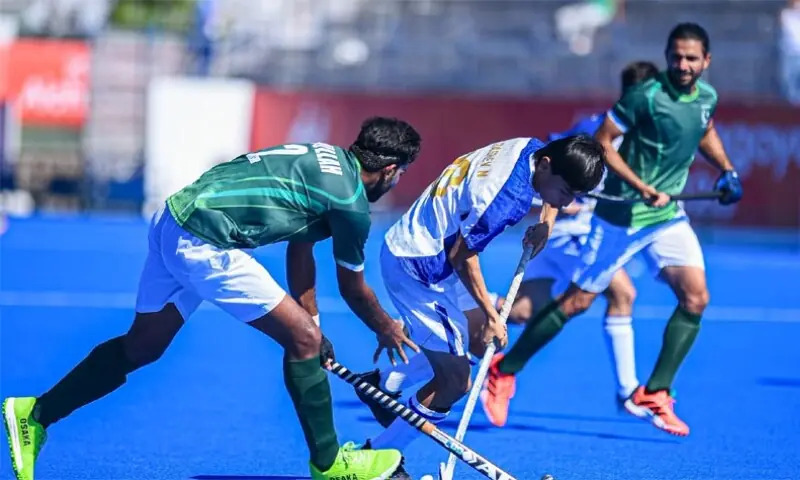
Pakistan's national contingent experienced a mixed day of competitive action at the Asian Games on Tuesday, highlighted by stellar performances from the hockey and kabaddi teams, alongside notable struggles in fencing and soft tennis. The centerpiece of the day's events unfolded at the Gifu Prefectural Green Stadium, where the Pakistan men's hockey team secured a commanding 5-1 victory over Uzbekistan, marking their second consecutive triumph in Pool B.
The encounter began with a tactical stalemate, resulting in a scoreless first quarter as both sides probed for vulnerabilities. The deadlock was broken in the 18th minute when Mohammad Ammad struck to put Pakistan ahead. However, Uzbekistan responded resiliently just before the interval, capitalizing on a penalty corner in the 30th minute through Shokhrukhbek Salimjonov to level the score at 1-1 heading into halftime.
The halftime interval served as a catalyst for a renewed tactical approach by the national side. Three minutes into the second half, drag-flicker Sufyan Khan restored Pakistan's advantage with a precise penalty corner conversion, marking his third successful penalty corner strike across two matches. The momentum firmly shifted as Abdul Rehman capitalized further in the 40th minute, extending the lead to 3-1. Defender Abu Mahmood subsequently sealed the outcome by putting the result beyond doubt in the closing stages, completing the 5-1 scoreline.
While the hockey squad demonstrated tactical adaptability and execution under pressure, the national kabaddi team similarly upheld its winning trajectory. Conversely, the contingent's fencers and soft tennis players faced rigorous competition, enduring a difficult outing that underscored existing developmental gaps in these disciplines.
Commercial & Economic Implications
While sporting triumphs do not directly alter macroeconomic indicators like retail trade or inflation, national athletic performances carry significant indirect weight for the national brand and sports industry ecosystem in Pakistan. Success in marquee international events such as the Asian Games stimulates domestic demand for sports apparel, equipment manufacturing, and grassroots academy participation. Cities like Sialkot, globally renowned as a primary manufacturing hub for sporting goods including hockey gear and footballs, stand to benefit from heightened international visibility when national teams perform competitively on continental stages.
Furthermore, consistent athletic success attracts corporate sponsorship and public sector funding, revitalizing sports infrastructure development. Increased commercial backing alleviates fiscal pressures on national sports federations, enabling them to upgrade training facilities, invest in modern coaching staff, and ensure financial security for athletes. Conversely, underperformance in disciplines like fencing and soft tennis highlights the necessity for targeted capital allocation and public-private partnerships to bridge resource disparities across diverse sports.
Related Intelligence: The Cost of Injustice: Assessing Pakistan's Legal and Economic Toll
Stakeholder Perspectives & Market Reactions
Sports administrators and industry bodies have expressed cautious optimism regarding the hockey team's resurgence, emphasizing the need for sustained financial backing to maintain competitive readiness. Representatives from the Pakistan Hockey Federation noted that maintaining momentum in pool matches is critical for securing higher-tier funding and attracting corporate partnerships from major commercial entities within the country.
Public and fan reactions across digital and traditional media platforms have been overwhelmingly positive regarding the hockey and kabaddi squads, while calling for structural reforms to support struggling disciplines. Legal and administrative analysts within sports governance bodies reiterate that long-term success requires transparent auditing of federation funds, grassroots talent pipelines, and structured athlete welfare programs to insulate players from financial instability.
Forward Outlook & Key Watchpoints
As the Asian Games progress, the immediate focus for the Pakistan hockey and kabaddi delegations shifts toward maintaining discipline and tactical execution in subsequent pool fixtures. Stakeholders will closely monitor the team's recovery protocols, tactical adjustments by the coaching staff, and physical endurance over a demanding tournament schedule.
Key watchpoints for national sports authorities include addressing the structural vulnerabilities exposed in fencing and soft tennis. Policymakers and federation executives must evaluate whether current training methodologies and resource distribution models are adequate to elevate non-traditional sports to competitive parity on the international stage. Future policy enforcement will likely center on accountability, performance-based funding allocations, and enhanced institutional support for all competing athletes.
Join Our Official WhatsApp Channel
Receive live commodity alerts, policy changes, and commercial intelligence directly on WhatsApp.