
Pakistan Arrests Aleema Khan as Political Tensions Threaten Stability
The detention of Aleema Khanum, sister of former Prime Minister Imran Khan, sparks heightened political volatility across Pakistan, raising concerns among international investors and creditors.
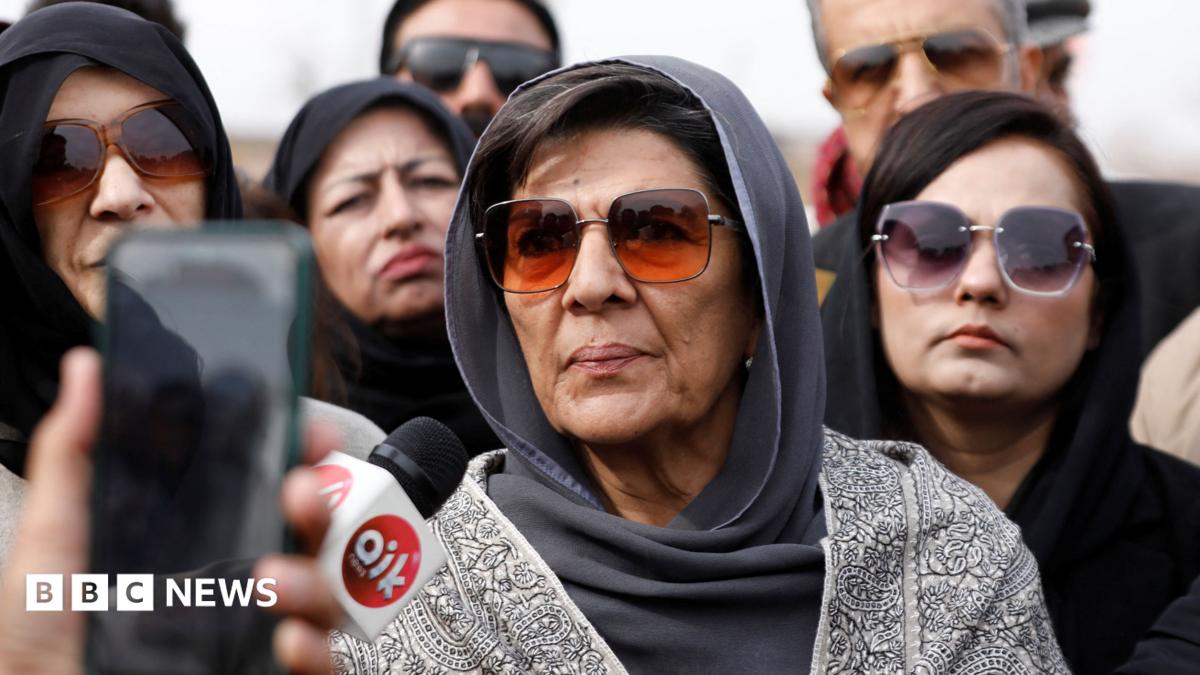
Geopolitical & Core Developments
The political landscape of Pakistan has entered a volatile new phase following the high-profile arrest of Aleema Khanum, the sister of imprisoned former Prime Minister Imran Khan. Law enforcement agencies detained Khanum amid accusations of mobilizing supporters for sweeping, countrywide demonstrations orchestrated by the opposition Pakistan Tehreek-e-Insaf (PTI) party. This development marks a significant escalation in the protracted power struggle between the state apparatus and the populist opposition movement that has paralyzed parts of the nation's administrative machinery.
Imran Khan, ousted through a parliamentary no-confidence vote in 2022, remains incarcerated on multiple charges, yet his political influence persists unabated through his loyal network. Family members, particularly his sisters, have increasingly stepped into leadership vacuums to coordinate grassroots resistance and maintain pressure on the incumbent coalition government and military establishment. The state's pre-emptive crackdown, characterized by mass detentions of key organizers, street barricades, and restricted communications, underscores Islamabad's determination to suppress dissent ahead of projected civil unrest. Analysts note that these measures, while effective at temporarily neutralizing mobilization, risk compounding long-term institutional grievances and deepening democratic deficits in a nuclear-armed state of over 240 million people.
Global Trade & Economic Ripples
While Pakistan represents a developing frontier market rather than a dominant industrial exporter, its domestic instability carries notable implications for regional trade corridors and international finance. South Asia serves as a critical geopolitical bridge between the Middle East, Central Asia, and East Asia, making security and logistical predictability paramount for trans-regional commerce. Persistent political paralysis directly undermines the stringent structural adjustment programs mandated by the International Monetary Fund (IMF), upon which Pakistan relies for sovereign debt stabilization.
Global commodity markets and energy supply chains remain attentive to domestic supply disruptions, currency fluctuations, and potential transport blockades along major domestic arteries such as the Grand Trunk Road and motorways connecting Karachi port to northern manufacturing hubs. Investor confidence in Pakistani sovereign bonds and foreign direct investment remains subdued. International energy conglomerates operating joint ventures in exploration and power generation are closely evaluating security protocols for expatriate personnel. Furthermore, prolonged uncertainty threatens agricultural and textile exports—vital mainstays of Pakistan's foreign exchange earnings—potentially impacting supply availability for international retail brands and global commodity brokers.
Related Intelligence: Aleema Khan Detained in Lahore Ahead of PTI Protests
International Reactions & Diplomatic Stances
International bodies and diplomatic missions have responded to the intensifying political crackdown with cautious surveillance rather than direct intervention, emphasizing adherence to constitutional norms and democratic processes. Western capitals have repeatedly urged restraint from all domestic stakeholders, stressing that fundamental freedoms of assembly and due process must be respected to maintain institutional legitimacy. Human rights organizations have voiced alarm over the preemptive detention of political figures and activists, characterizing the judicial and police actions as a systematic curtailment of political opposition.
Global financial institutions, including the IMF and the World Bank, are monitoring the political climate to assess its potential fallout on fiscal policy implementation and revenue collection targets. Diplomatic analysts suggest that while foreign governments remain anxious about the erosion of democratic norms, strategic imperatives—including counterterrorism cooperation and regional stability in South Asia—continue to temper harsher diplomatic rebukes against Islamabad's ruling coalition.
Strategic Outlook & Future Scenarios
Looking ahead, the trajectory of Pakistan's political crisis will likely hinge on the resilience of the PTI's grassroots network and the military establishment's capacity to contain dissent without triggering wider social upheaval. Upcoming judicial rulings regarding detained opposition figures and the government's fiscal policy announcements will serve as critical barometers for assessing sovereign risk. Should street protests escalate into sustained nationwide strikes, international credit rating agencies may downgrade Pakistan's sovereign outlook, complicating upcoming debt rollovers and external financing needs. Conversely, a negotiated de-escalation could restore temporary calm, allowing authorities to resume essential economic reforms under international oversight. However, the underlying structural tensions between populist political forces and established state institutions ensure that South Asia will remain a high-risk zone for international commerce and geopolitical strategy.
Join Our Official WhatsApp Channel
Receive live commodity alerts, policy changes, and commercial intelligence directly on WhatsApp.