
Norway Challenges FIFA Leadership Over Governance and Abuse of Power
Norway's football body has escalated tensions with global sports leadership by filing three formal ethics complaints against FIFA President Gianni Infantino.
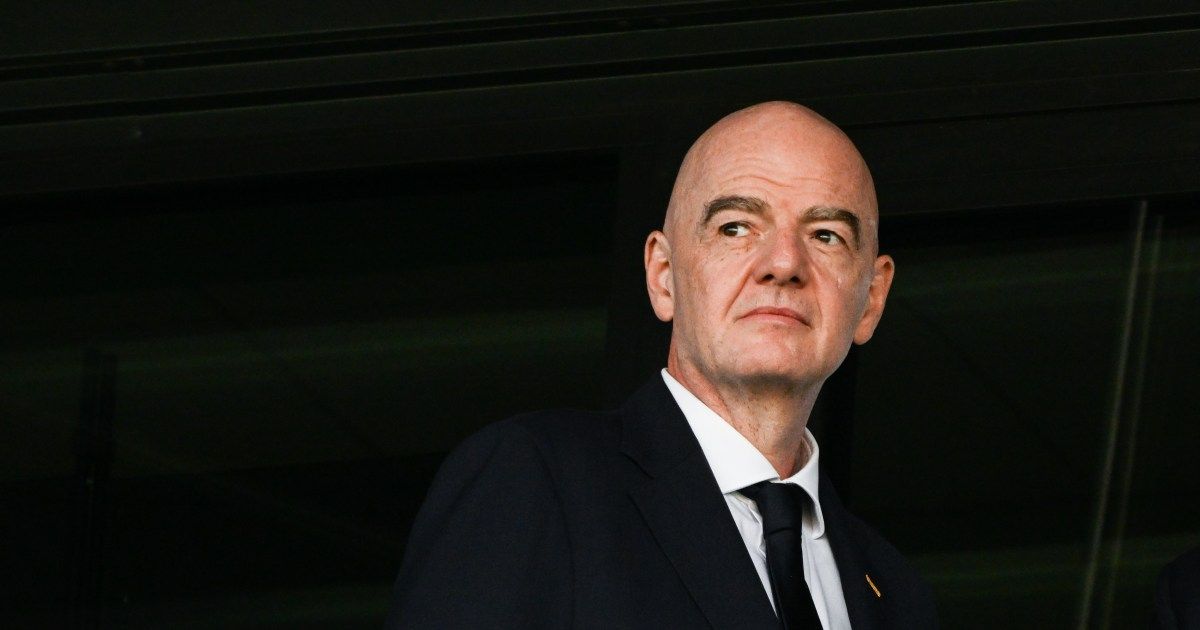
Geopolitical & Core Developments
In an unprecedented escalation of institutional governance friction within international sports administration, the Norwegian Football Federation (NFF) has officially submitted three distinct complaints to the independent Ethics Committee of the Federation Internationale de Football Association (FIFA). The formal petitions center directly upon the conduct of FIFA President Gianni Infantino, alleging systematic abuses of power, conflicts of interest, and a disregard for established regulatory frameworks that govern the world's most lucrative sporting body.
The complaints, lodged following months of mounting internal discontent among Scandinavian federations, challenge the centralization of executive authority under Infantino's administration. Since assuming the presidency, Infantino has pursued an aggressive expansion agenda, marked by expanded tournament formats, sweeping commercial partnerships, and increased financial distribution to smaller confederations. However, critics within European football governance argue that these structural reforms have systematically eroded internal checks and balances, marginalizing dissenting voices and concentrating decision-making power within a tightly controlled executive circle. The NFF's action represents a rare instance of a national governing body formally utilizing internal judicial mechanisms to hold the sitting global president accountable, setting a contentious precedent for institutional oversight within international federations.
Global Trade & Economic Ripples
While sports governance ostensibly operates distinctively from traditional commodity markets and heavy industry, the financial architecture surrounding FIFA commands immense global capital flows, multi-billion-dollar broadcast rights, and sprawling corporate sponsorship portfolios. FIFA operates as a transnational economic titan, generating revenues comparable to mid-sized sovereign economies through commercial agreements with multinational conglomerates spanning sportswear, financial services, and energy sectors.
Institutional instability at the apex of global football administration inevitably introduces regulatory uncertainty for corporate partners and sovereign stakeholders who have invested heavily in upcoming mega-events, most notably the expanded 2026 FIFA World Cup across North America. Corporate sponsors are increasingly sensitive to reputational risks associated with governance failures, regulatory investigations, and ethical controversies within governing bodies. Any prolonged institutional standoff between powerful European federations and Zurich headquarters threatens to disrupt commercial negotiations, complicate host-nation logistics, and influence capital allocation strategies across the global sports economy, thereby affecting broader leisure and media equity valuations.
Related Intelligence: PM Shehbaz Defends AJK Legal Action Following Months of Unrest
International Reactions & Diplomatic Stances
Reaction across the international sports diplomacy landscape has been characterized by cautious diplomatic maneuvering. While several Western European football associations have privately expressed sympathy for Oslo's institutional concerns, major continental bodies have refrained from issuing unconditional public endorsements, wary of triggering an open schism with FIFA leadership that could jeopardize tournament participation and development funding.
Conversely, supporters of the FIFA president, particularly among African, Asian, and Latin American confederations, have rallied around the administration, framing the Norwegian complaints as an elitist pushback against the democratization and financial redistribution of global football wealth initiated under Infantino's tenure. Independent legal experts and international governance watchdogs note that the independence of FIFA's Ethics Committee will face a severe structural stress test in adjudicating complaints directed against the sitting executive leader, raising questions regarding the efficacy of self-regulation in transnational non-governmental organizations.
Strategic Outlook & Future Scenarios
As the FIFA Ethics Committee reviews the admissibility and substance of the Norwegian petitions, the immediate trajectory points toward heightened diplomatic maneuvering ahead of upcoming congressional assemblies. If the ethics panels proceed with a formal investigation into the allegations, it could paralyze key administrative initiatives and force a recalibration of power dynamics between European powerhouses and the global majority bloc.
Conversely, a swift dismissal of the complaints would likely solidify Infantino's grip on the presidency while driving disaffected European federations toward deeper institutional isolation or alternative coalition-building. Long-term, this governance crisis underscores a broader global trend where transnational institutions face intense domestic and regional pushback against perceived overreach, establishing a critical benchmark for transparency and accountability in international governance structures.
Join Our Official WhatsApp Channel
Receive live commodity alerts, policy changes, and commercial intelligence directly on WhatsApp.